Asphalt shingles rated for impact resistance and extreme temperature fluctuations remain the most popular and cost-effective choice for Minnesota winters, particularly architectural shingles with a Class 4 impact rating. Metal roofing has gained significant traction in recent years due to its superior ability to shed snow and ice, preventing dangerous ice dam formation. Both materials can perform exceptionally well in our harsh climate when properly installed with adequate attic ventilation, ice-and-water barrier protection, and appropriate underlayment designed to withstand our brutal freeze-thaw cycles.
Understanding Minnesota’s Unique Roofing Challenges
Homeowners throughout St. Louis Park, Minnetonka, Hopkins, and Edina face some of the most demanding weather conditions in the country. Our roofs must endure temperature swings from -20°F winter nights to 95°F summer days, creating constant expansion and contraction that stresses roofing materials. Heavy snow loads can exceed 50 pounds per square foot on some roofs, while spring brings rapid freeze-thaw cycles that exploit any weakness in your roofing system.
Ice dams represent perhaps the most destructive winter phenomenon affecting homes in Golden Valley, Plymouth, and throughout the Minneapolis West Metro. When heat escapes through inadequate attic insulation, it melts snow on your roof. That water refreezes at the eaves, creating ice barriers that force water underneath shingles and into your home. Additionally, severe hail storms strike our region regularly, making impact resistance a critical consideration for any roofing material selection.
Asphalt Shingles: The Proven Minnesota Standard
Architectural asphalt shingles dominate the roofing landscape across Hennepin County for good reason. Modern premium shingles are engineered specifically to handle temperature extremes, with flexible asphalt compounds that resist cracking in bitter cold and won’t soften excessively during summer heat waves.
Class 4 Impact-Resistant Shingles
For homeowners in Eden Prairie, Wayzata, and Maple Grove, Class 4 impact-resistant shingles offer substantial benefits. These shingles feature reinforced construction that withstands hail strikes up to 2 inches in diameter—the size of golf balls that commonly damage roofs during severe Minnesota storms. Many insurance companies offer premium discounts of 20-30% for homes with Class 4 shingles, providing ongoing savings that offset the slightly higher initial investment.
Installation Considerations for Cold Climate Performance
Proper installation matters as much as material selection. Your asphalt shingle roof needs ice-and-water barrier protection extending at least 3-6 feet beyond the exterior wall line—further than the standard 2 feet required by basic code. Many experienced contractors serving Brooklyn Park and Richfield neighborhoods recommend full ice-and-water barrier coverage in valleys and around penetrations like chimneys and skylights.
Adequate attic ventilation prevents the heat buildup that causes ice dams. A balanced system with proper intake vents at soffits and exhaust vents at the ridge maintains consistent roof deck temperatures, allowing snow to melt naturally rather than creating destructive ice formations.
Metal Roofing: The Premium Minnesota Solution
Metal roofing has transformed from a primarily agricultural material to a sophisticated residential option increasingly popular in Bloomington and throughout established Minneapolis West Metro neighborhoods. Standing seam metal roofs shed snow and ice efficiently, virtually eliminating ice dam concerns that plague so many mid-century ramblers and split-levels built in the 1940s-1960s.
Snow-Shedding Performance
Metal’s smooth surface and heat-conductive properties allow snow to slide off naturally, reducing structural load and preventing the water infiltration common with snow accumulation. This characteristic proves particularly valuable for homes with complex roof lines or limited attic access that makes insulation improvements difficult.
Longevity and Lifecycle Value
While metal roofing costs 2-3 times more than premium asphalt shingles initially, its 50+ year lifespan and minimal maintenance requirements deliver excellent long-term value. Metal roofs handle our temperature extremes without degradation, resist hail damage effectively, and typically carry strong manufacturer warranties. For homeowners planning to stay in their St. Louis Park or Minnetonka homes long-term, metal roofing represents a “forever roof” solution.
Cedar Shake: Beautiful But Challenging
Some older homes in established neighborhoods feature traditional cedar shake roofing that contributes authentic character. However, cedar requires significantly more maintenance in Minnesota’s climate, with moisture cycling causing premature deterioration. Modern fire-retardant treatments improve safety, but cedar generally demands replacement every 20-25 years and doesn’t offer the hail resistance increasingly important in our storm-prone region.
Making the Right Choice for Your Home
The best roofing material depends on your specific home, budget, and long-term plans. For most homeowners throughout Hopkins, Edina, and surrounding communities, premium architectural shingles with Class 4 impact rating provide excellent performance at reasonable cost. Those seeking maximum durability and ice dam prevention should seriously consider metal roofing despite higher upfront investment.
Partner with Minnesota Roofing Experts
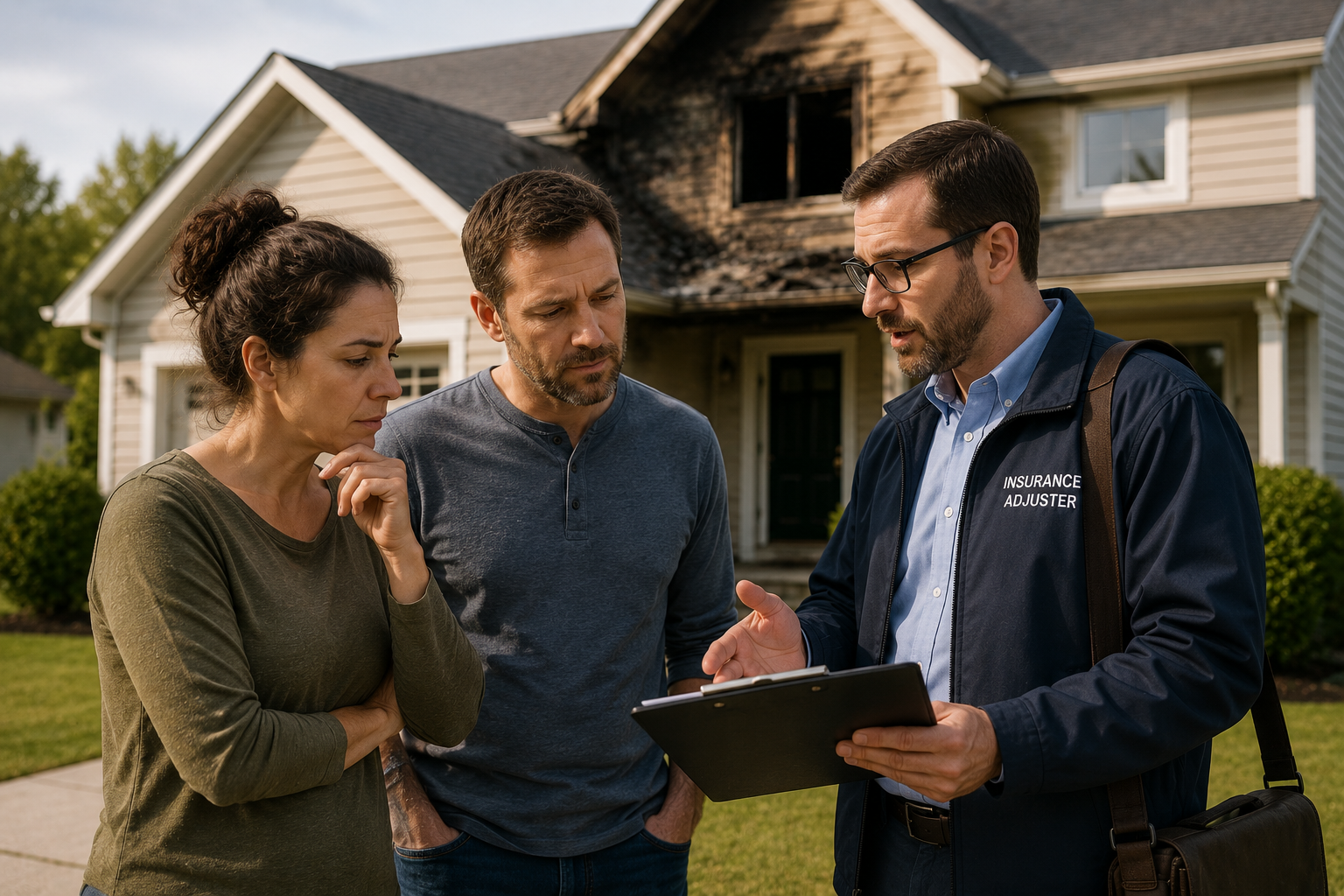
At Bedrock Restoration, we’ve helped thousands of homeowners throughout the Minneapolis West Metro select and install roofing systems engineered for Minnesota’s demanding climate. Our team understands the unique challenges facing homes in St. Louis Park, Minnetonka, and surrounding communities, from ice dam prevention to working with insurance adjusters on storm damage claims.
Contact Bedrock Restoration at https://bedrockrestoration.com for a professional roof evaluation and honest recommendations tailored to your home’s specific needs and your long-term goals. We’ll help you choose materials that protect your investment through decades of Minnesota winters.