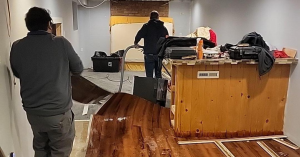
How Much Does Water Damage Restoration Cost?

Cost depends entirely on the extent of damage, materials affected, and how quickly mitigation begins. Equipment costs, labor, material removal, and eventual repairs all contribute to the final price. Reputable companies provide ballpark estimates early, but the complete picture develops over time as drying reveals the full scope of damage.

Understanding what drives costs helps you evaluate estimates and recognize fair pricing.

Why Water Damage Costs Vary So Widely

No two water damage situations are identical. A small leak caught immediately costs a fraction of a major flood discovered days later. Variables that create this range include:

Volume of water involved. A dishwasher leak affecting one room requires less equipment and labor than a burst pipe that flooded an entire basement.

Materials affected. Carpet and drywall are relatively straightforward. Hardwood flooring, custom cabinets, and specialty finishes increase complexity and cost significantly.

How quickly you respond. Water addressed within hours causes less damage than water sitting for days. Delayed response means more extensive drying, more material removal, and higher reconstruction costs.

Contamination level. Clean water from a supply line requires standard mitigation. Sewage backups or floodwater require additional safety protocols, protective equipment, and disposal procedures.

Home size and layout. A 1,500-square-foot rambler dries differently than a 4,000-square-foot multi-level home. More space means more equipment and longer timelines.

Homeowners in Minneapolis, Eden Prairie, and St. Louis Park receive estimates ranging from modest to substantial based on these variables.

Factors That Drive Mitigation Costs

The emergency drying phase has its own cost components:

Equipment rental and operation. Commercial air movers, dehumidifiers, and specialty drying systems cost money for every day they operate. More severe damage requires more equipment running for more days.

Labor for setup, monitoring, and adjustment. Technicians visit daily to take moisture readings, reposition equipment, and document progress. This skilled labor is part of the mitigation cost.

Material removal. Removing wet carpet padding, cutting out saturated drywall, and disposing of unsalvageable materials requires labor and disposal fees.

Antimicrobial treatments. Preventing mold growth requires applying treatments to affected materials—another line item in mitigation costs.

Documentation and testing. Proper moisture monitoring, photo documentation, and final clearance testing ensure the job is done right and support insurance claims.

Complex situations—like water affecting multiple floors or penetrating wall cavities extensively—require more of everything: more equipment, more monitoring, more removal, more time.

Factors That Drive Repair Costs

Once drying completes, reconstruction costs depend on what needs replacing:

Drywall and finishing. The amount of drywall removed during mitigation directly affects repair costs. Matching existing texture adds complexity.

Flooring type. Replacing carpet is straightforward. Replacing hardwood, tile, or specialty flooring costs more—especially when matching existing materials.

Cabinets and built-ins. Custom cabinets cost significantly more to replace than stock options. Built-in shelving and specialty millwork add to reconstruction budgets.

Paint and trim. Repainting affected areas and reinstalling trim seems minor but adds up, especially in larger spaces.

Structural repairs. If water damaged framing, subfloor, or other structural elements, repairs become more extensive and costly.

Homeowners in Minnetonka, Edina, and Bloomington with custom finishes or older homes requiring material matching typically see higher repair costs than those with standard construction.

Why Accurate Pricing Takes Time

Restoration companies can’t give precise final costs immediately, and here’s why that’s actually honest:

Water travels hidden paths. The visible damage on day one rarely represents the full scope. Moisture testing over several days reveals how far water actually spread.

Drying exposes hidden damage. Once walls open up and materials dry, additional problems sometimes appear—damage to framing, subfloor deterioration, or mold that wasn’t initially visible.

Material decisions happen during the process. Whether hardwood floors can be saved or must be replaced often isn’t clear until drying is attempted. Same with cabinets, drywall, and other materials.

Insurance involvement affects scope. What your policy covers influences decisions about repair approaches and material selections.

A company that quotes an exact final price before assessment is either guessing or planning to surprise you with change orders later.

What to Expect From the Estimate Process

Reputable restoration companies follow a predictable pricing timeline:

Initial assessment (day one): A ballpark range based on visible damage, affected area size, and preliminary moisture readings. This helps you understand magnitude but isn’t a final quote.

Mitigation estimate (days 1-2): More specific pricing for the emergency drying phase, including equipment needs and expected duration.

Ongoing updates (during drying): As the full scope becomes clear, the company updates estimates and communicates any changes.

Repair estimate (after drying completes): Once everything is dry and exposed, accurate reconstruction pricing is possible. This is when you’ll know full project costs.

Insurance coordination (throughout): Companies experienced with insurance communicate with adjusters, submit documentation, and help ensure approved amounts align with actual costs.

Homeowners in Chanhassen, Plymouth, and throughout the Twin Cities should expect this phased approach from professional restoration companies.

Red Flags in Restoration Pricing

Watch for these warning signs when evaluating estimates:

  • Exact final pricing before assessment: No one can know total costs before seeing the full damage
  • Dramatically lower estimates than competitors: May indicate cutting corners, hidden fees later, or inexperience
  • No written estimates: Verbal quotes leave you unprotected if costs balloon
  • Pressure to sign immediately: Legitimate companies allow reasonable time for decisions
  • Unwillingness to explain line items: You deserve to understand what you’re paying for
  • Estimates that don’t mention potential variables: Honest companies acknowledge unknowns upfront
  • No discussion of insurance process: Experienced companies address coverage questions early

Questions to Ask About Pricing

Get clear answers before work begins:

  1. “What’s your best estimate range for the mitigation phase?” This should be reasonably predictable after initial assessment.
  2. “How will you communicate if costs increase?” Professional companies have clear processes for scope changes.
  3. “When will I have accurate repair pricing?” Expect this after drying completes and full damage is visible.
  4. “How do you work with insurance on pricing?” Companies experienced with claims can explain this process clearly.
  5. “What factors might increase the final cost?” Honest companies discuss variables like hidden damage or material complications.

The Bottom Line: Pricing Develops Over Time

Early in the process:

  • Expect ballpark ranges, not exact quotes
  • Mitigation costs become clear within days
  • Variables remain until drying reveals full scope

After drying completes:

  • Accurate repair estimates are possible
  • Material selections finalize pricing
  • Insurance approval clarifies coverage

Throughout the project:

  • Communication should be proactive
  • Changes should be documented and explained
  • No surprises at final invoice

Next Steps for Twin Cities Homeowners

If you’re dealing with water damage in Minneapolis, Wayzata, Savage, or anywhere in the metro area, focus on stopping the damage first—pricing details develop as the project unfolds.

Work with a company that communicates transparently about costs, explains what drives pricing, and keeps you informed as the scope becomes clear. The right partner provides honest estimates early and avoids surprises at the end.


Should I Use the Same Company for Water Damage Mitigation and Repairs?

Yes—using one company for both mitigation and repairs is significantly easier. But there’s a catch: many restoration companies claim to do both, yet few are genuinely skilled at the repair and rebuild side. Before committing, look for a company with documented proof of high-quality reconstruction work and a track record of communicating effectively with insurance companies from start to finish.

The convenience of a single company only matters if that company delivers quality through both phases.

Why One Company Makes the Process Easier

Handling mitigation and repairs under one roof eliminates friction at every stage:

Single point of accountability. When problems arise, you’re not caught between two companies blaming each other. One team owns the outcome from emergency response through final walkthrough.

Seamless handoff between phases. The crew that dried your home understands exactly what happened and why. They communicate directly with the repair team rather than relying on written reports that miss context.

Consistent insurance documentation. One company produces unified documentation that tells a coherent story to your adjuster. No gaps, no conflicting information, no confusion about scope.

Simplified communication. You have one project manager, one phone number, one point of contact. Questions get answered faster when they don’t require coordination between separate companies.

Scheduling efficiency. The same company can schedule repairs to begin immediately after drying completes, without the delays of finding, vetting, and booking a separate contractor.

Homeowners in Minneapolis, Eden Prairie, and St. Louis Park who use full-service restoration companies consistently report less stress and faster project completion.

The Problem: Many Companies Claim Both, Few Excel at Both

Here’s the uncomfortable truth about the restoration industry:

Mitigation and construction require different skills. Emergency water extraction and structural drying demand technicians trained in psychrometry, moisture measurement, and rapid response. Quality reconstruction requires skilled carpenters, drywall finishers, painters, and flooring installers. These are fundamentally different trades.

Many mitigation companies subcontract repairs. They handle the emergency phase in-house, then hire subcontractors for reconstruction. You think you’re getting one company but actually deal with multiple crews with varying quality standards.

Some prioritize speed over craftsmanship. Companies focused on volume push repairs through quickly rather than ensuring quality finishing work. You live with the results long after they’ve moved on.

Repair quality is harder to evaluate. Drying either works or it doesn’t—mold appears or it doesn’t. But repair quality shows in details: drywall seams, paint edges, flooring transitions, trim work. These details require genuine craftsmanship.

The result is that homeowners often receive excellent mitigation followed by mediocre repairs—or worse, discover their “full-service” company scrambling to find subcontractors for the rebuild phase.

What to Look for in a Full-Service Restoration Company

Verify these capabilities before assuming a company handles both phases well:

General contractor licensing. In Minnesota, repair work requires a valid general contractor license. Confirm the company holds this license themselves—not through a subcontractor relationship.

Portfolio of completed rebuilds. Ask to see before-and-after photos of actual reconstruction projects. Quality companies document their work and share it proudly.

In-house repair crews. Ask directly whether their repair technicians are employees or subcontractors. In-house teams typically deliver more consistent quality and accountability.

Positive reviews mentioning repairs specifically. Online reviews that praise the “whole process” or mention quality reconstruction indicate genuine full-service capability. Reviews only mentioning emergency response suggest that’s where their strength ends.

Insurance company relationships. Companies that regularly work with adjusters through complete projects understand documentation requirements and communicate effectively throughout claims.

Homeowners in Minnetonka, Edina, and Bloomington should evaluate repair capabilities as carefully as emergency response capabilities when choosing a restoration partner.

Questions to Ask Before Committing

Get clear answers to these questions before signing any contract:

“Do you handle repairs with your own employees or subcontractors?” Neither answer is automatically wrong, but you deserve to know who’s actually doing the work.

“Can I see photos of completed repair projects?” Hesitation or excuses here is a red flag. Quality work gets documented.

“What’s your Minnesota contractor license number?” Verify it’s active and in good standing through the state licensing board.

“Who will be my point of contact during repairs?” You should have a dedicated project manager, not just whoever answers the phone.

“How do you handle change orders or unexpected issues during reconstruction?” Professional companies have clear processes for scope changes and communicate proactively.

“Can you provide references from recent full-project clients?” Speaking with homeowners who experienced both phases reveals the complete picture.

Red Flags That Suggest Weak Repair Capabilities

Watch for these warning signs:

  • No photos of reconstruction work on their website or marketing materials
  • Reviews that only mention emergency response without discussing repairs
  • Vague answers about who performs repair work
  • No general contractor license or unwillingness to provide the number
  • Pressure to sign repair contracts before mitigation is complete
  • Dramatically lower repair estimates than other licensed contractors (suggests cutting corners)
  • Different company name or branding for the repair phase
  • No dedicated project manager for reconstruction

These signs suggest a company strong at mitigation but improvising on repairs.

How Insurance Benefits From Single-Company Projects

Using one company helps your insurance claim as well:

Unified documentation. Adjusters receive consistent information from one source rather than reconciling reports from multiple contractors.

Clear accountability. When questions arise about scope or necessity, one company can explain decisions made throughout the project.

Smoother supplement process. If additional damage is discovered during repairs, a single company can document and communicate supplements more efficiently.

Reduced disputes. Claims with multiple contractors sometimes face finger-pointing about responsibility. Single-company projects eliminate this confusion.

Insurance companies in Chanhassen, Plymouth, and throughout the Twin Cities process single-contractor claims more efficiently because the paperwork tells one coherent story.

The Bottom Line: Verify Before You Trust

One company is easier—if they’re genuinely qualified for both phases:

  • Confirm general contractor licensing for repairs
  • Request proof of quality reconstruction work
  • Ask whether repairs are in-house or subcontracted
  • Look for reviews mentioning the complete process

Don’t assume “full-service” means quality at both:

  • Many companies excel at mitigation but struggle with repairs
  • Subcontracted work varies in quality and accountability
  • The rebuild phase is where craftsmanship matters most

The right partner delivers:

  • Seamless transition from drying to repairs
  • Consistent communication throughout
  • Quality finishing work you’ll live with for years
  • Unified insurance documentation from start to finish

Next Steps for Twin Cities Homeowners

If you’re facing water damage in Minneapolis, Wayzata, Savage, or anywhere in the metro area, ask tough questions before choosing a restoration company.

Look for a team with proven reconstruction quality, in-house repair capabilities, and a track record of guiding homeowners through complete projects—from emergency response through final walkthrough. The convenience of one company only pays off when that company delivers excellence at every phase.


Will My Home Will Be Demolished During Water Damage Restoration?

No—and it shouldn’t. Professional restoration aims for minimal, targeted removal, opening only the areas necessary to let air reach wet materials. The goal is always to save as much as possible while ensuring complete drying. Your home should not look like a demolition site after proper water damage mitigation.

Understanding what removal is appropriate helps you recognize quality work and avoid contractors who tear out more than necessary.

The “Open to Dry” Approach

Modern water damage restoration follows a principle called “open to dry.” Rather than removing everything that got wet, technicians create strategic openings that allow airflow into wall cavities and under flooring.

How it works:

  • Removing baseboards to expose the bottom of wall cavities
  • Cutting drywall at a specific height (often 12-24 inches) rather than floor to ceiling
  • Drilling small holes to allow air movement without removing entire walls
  • Pulling back carpet to remove wet padding while saving the carpet itself
  • Using specialty drying systems that inject air into enclosed spaces

This approach dries structural materials effectively while preserving everything that can be saved. It’s faster, less expensive, and less disruptive than wholesale demolition.

Homeowners in Minneapolis, Eden Prairie, and St. Louis Park are often relieved to learn that targeted removal—not gutting rooms—is the professional standard.

What Typically Gets Removed vs. Saved

Every water damage situation differs, but here’s what usually happens:

Almost always removed:

  • Wet carpet padding (it’s inexpensive, holds enormous water volume, and dries poorly)
  • Wet insulation inside wall cavities (loses effectiveness and harbors mold)
  • Saturated particleboard or pressed wood materials (disintegrates when wet)
  • Any material contaminated by sewage or Category 3 water

Often saved with proper drying:

  • Carpet (if addressed quickly and padding is replaced)
  • Drywall (if caught early and dried properly from both sides)
  • Hardwood flooring (requires specialized technique but often salvageable)
  • Cabinets (solid wood dries well; particleboard is harder to save)
  • Structural framing (almost always dried in place, rarely removed)

Depends on situation:

  • Drywall with extended water exposure or visible mold
  • Laminate and engineered flooring (varies by product and exposure time)
  • Trim and baseboards (often removed for access, sometimes reinstalled)

The key factor is timing. Materials addressed within 24-48 hours have much higher salvage rates than those left wet for days.

Why Less Demolition Is Usually Better

Removing less material benefits you in multiple ways:

Lower repair costs. Every piece of drywall removed must be replaced. Every cabinet demolished needs rebuilding. Targeted removal means less reconstruction expense.

Faster overall timeline. Less demolition means less rebuilding. A job requiring minimal drywall replacement finishes weeks sooner than one requiring whole-room reconstruction.

Less disruption to your life. Living around a small section of removed drywall is manageable. Living in a gutted home for weeks is not.

Reduced insurance disputes. Adjusters question unnecessary removal. Claims documenting why specific materials required demolition process more smoothly than claims for wholesale tear-out.

Environmental responsibility. Construction waste fills landfills. Saving salvageable materials reduces environmental impact.

Homeowners in Minnetonka, Edina, and Bloomington working with professional restoration companies typically see far less demolition than they initially feared.

How Professionals Decide What to Remove

Trained technicians use specific criteria and tools to determine what stays and what goes:

Moisture readings. Meters measure moisture content in drywall, wood, and other materials. Materials within acceptable ranges can dry in place. Materials beyond saturation thresholds may require removal.

Contamination level. Water is categorized by cleanliness. Clean water from supply lines allows more salvage options. Sewage or floodwater requires removing porous materials that contacted contamination.

Material type. Solid wood dries effectively. Particleboard and MDF absorb water and often can’t be saved. Technicians know which materials respond to drying and which don’t.

Time elapsed. Drywall wet for two hours has different prospects than drywall wet for two days. Quick response expands salvage options significantly.

Structural access needs. Sometimes materials are removed not because they’re ruined, but because removing them allows faster, more complete drying of structural elements behind them.

Cost-benefit analysis. Occasionally, removing and replacing a material costs less than the extended drying time required to save it. Good technicians weigh these tradeoffs honestly.

Red Flags: Unnecessary Demolition

Watch for these warning signs that a contractor may be removing more than necessary:

  • “We remove everything to be safe” without assessment or moisture readings
  • Full-height drywall removal when water only affected the lower portion
  • Removing materials before attempting to dry them
  • No explanation for why specific materials need removal
  • Identical removal approach regardless of damage severity
  • Pressure to decide immediately without time to ask questions
  • Significantly more demolition than other estimates suggested

Some contractors prefer demolition because it’s faster and simpler than proper drying technique. Others inflate project scope to increase billing. Neither approach serves your interests.

Homeowners in Chanhassen, Plymouth, and throughout the Twin Cities should ask technicians to explain every removal decision. Reputable companies welcome these questions.

What to Expect Your Home to Look Like During Drying

Even minimal demolition changes your home’s appearance temporarily. Here’s what’s normal:

Lower portions of walls exposed. A “flood cut” removing the bottom 12-24 inches of drywall is standard practice for wall cavity drying. You’ll see exposed studs and potentially insulation removal.

Carpet pulled back or removed. Padding underneath almost always goes. Carpet may be folded back during drying, then re-installed, or removed if unsalvageable.

Baseboards and trim stacked elsewhere. These are often removed for access and reinstalled after repairs. Having them set aside is normal.

Equipment everywhere. Air movers, dehumidifiers, and ducting temporarily fill affected rooms. This looks chaotic but serves a purpose.

Some rooms roped off or inaccessible. Maintaining drying conditions sometimes requires limiting access to affected areas.

Your home will look disrupted during the drying phase. But “disrupted” is very different from “demolished.” A few days of controlled chaos prevents months of reconstruction.

The Bottom Line: Targeted, Not Total

Expect minimal, strategic removal:

  • Baseboards and lower drywall sections
  • Carpet padding (carpet often saved)
  • Wet insulation inside cavities
  • Only materials that can’t be dried effectively

Question extensive demolition:

  • Ask why each removal is necessary
  • Request moisture readings showing material condition
  • Get explanations for scope decisions

Remember the goal:

  • Dry the structure completely
  • Save everything salvageable
  • Minimize disruption and cost
  • Prevent mold and long-term damage

Next Steps for Twin Cities Homeowners

If you’re facing water damage in Minneapolis, Wayzata, Savage, or anywhere in the metro area, don’t assume your home needs gutting. Professional restoration preserves far more than most homeowners expect.

Work with a company that explains their approach, shows you moisture readings, and justifies every removal decision. The right team saves everything possible while ensuring your home dries completely and safely.


Can Any Handyman or Contractor Do Water Damage Restoration?

No. Restoration—especially the drying phase—is a science, not just construction. Knowing what materials to remove, what can dry in place, how to prevent mold growth, and how to avoid structural damage requires specialized training and experience that most general contractors and handymen simply don’t have.

A skilled carpenter can rebuild your walls beautifully. But if those walls weren’t dried properly first, you’ll have mold growing inside them within weeks.

Why Restoration Isn’t Just Construction

Water damage restoration looks like construction work from the outside. Crews remove drywall, pull up flooring, and eventually rebuild what was damaged. But the critical work happens before any rebuilding begins.

Restoration requires understanding water behavior. Water travels unpredictably—wicking upward through drywall, running along pipes, pooling in hidden cavities. Trained technicians know how to trace water paths and identify all affected areas, not just obvious wet spots.

Drying requires precise environmental control. Proper structural drying manipulates temperature, humidity, and airflow simultaneously. It’s not about pointing fans at wet areas—it’s about creating conditions that pull moisture from deep inside materials.

Material decisions have lasting consequences. Some wet materials can be dried in place. Others must be removed immediately. Making the wrong call means either unnecessary demolition costs or hidden moisture that causes mold and rot.

Homeowners in Minneapolis, Eden Prairie, and St. Louis Park who hire unqualified contractors often discover these mistakes months later when mold appears or floors buckle.

The Science Behind Proper Drying

Professional restoration technicians study psychrometry—the science of air, moisture, and drying. This isn’t intuitive knowledge; it’s technical training that covers:

Moisture measurement. Different materials hold moisture differently. Drywall, wood framing, concrete, and carpet each require specific measurement techniques and have different acceptable moisture thresholds.

Drying equipment selection. Commercial air movers, desiccant dehumidifiers, refrigerant dehumidifiers, and specialty systems like injectidry all serve different purposes. Choosing wrong equipment extends drying time or fails to dry hidden areas.

Drying goals and calculations. Technicians calculate how much moisture needs to be removed and how long it should take based on the specific materials, square footage, and conditions. They adjust equipment daily based on readings.

When to remove vs. dry in place. Wet drywall can sometimes be saved if caught early; other times it must go. Hardwood floors might be salvageable with proper technique or ruined by improper drying. These decisions require training and experience.

A handyman might own a shop vac and box fan. That’s not the same as understanding grain depression in hardwood, calculating grains per pound of air, or recognizing when wall cavities need direct airflow injection.

What Specialized Training Covers

Certified restoration technicians complete coursework covering:

  • Water damage restoration principles and practices
  • Structural drying techniques and equipment operation
  • Mold prevention and remediation protocols
  • Health and safety requirements for contaminated water
  • Documentation standards for insurance claims
  • Building science and construction materials behavior

This training takes weeks of classroom and hands-on instruction, followed by examinations. Experienced technicians add years of field work applying these principles across hundreds of different situations.

Homeowners in Minnetonka, Edina, and Bloomington benefit from this expertise because trained professionals have seen situations like theirs before and know what works.

Certifications That Matter

When evaluating restoration companies, look for these credentials:

IICRC Certification. The Institute of Inspection, Cleaning and Restoration Certification sets industry standards. Key certifications include:

  • WRT (Water Damage Restoration Technician)
  • ASD (Applied Structural Drying)
  • AMRT (Applied Microbial Remediation Technician)

State licensing. Minnesota requires general contractor licenses for restoration work involving structural repairs. Verify the company holds a valid MN contractor license.

Insurance and bonding. Proper liability insurance and bonding protect you if something goes wrong during the project.

Manufacturer certifications. Training from equipment manufacturers indicates investment in proper technique and technology.

Ask any company you’re considering what certifications their technicians hold. Reputable companies answer this question proudly.

What Can Go Wrong With Untrained Work

Hiring unqualified contractors for water damage creates specific risks:

Incomplete drying. Without moisture meters and proper monitoring, contractors guess when materials are dry. Guessing wrong means sealing moisture inside your walls—creating perfect conditions for mold growth.

Unnecessary demolition. Untrained workers often remove everything “just to be safe,” destroying salvageable materials and increasing your costs. Trained technicians know what can be saved.

Missed affected areas. Water travels hidden paths. Without understanding water behavior and using detection equipment, contractors miss moisture in adjacent rooms, behind cabinets, or under flooring.

Mold growth. The most common consequence of improper restoration. Mold appears weeks or months later in walls that felt dry but weren’t. Remediation costs far exceed what proper initial drying would have cost.

Insurance claim problems. Adjusters recognize professional documentation. Work performed without proper moisture readings, daily monitoring logs, and photographic evidence may face claim disputes.

Structural damage. Wood framing that stays wet too long weakens. Subfloors warp. Problems that could have been prevented become expensive structural repairs.

Homeowners in Chanhassen, Plymouth, and throughout the Twin Cities who choose contractors based solely on price often pay twice—once for the inadequate initial work and again to fix the resulting problems.

Red Flags When Evaluating Contractors

Watch for these warning signs that suggest inadequate training:

  • No moisture meters or monitoring equipment
  • Cannot explain their drying process or goals
  • No certifications or unwillingness to provide proof
  • Wanting to start repairs before confirming dryness
  • Significantly lower prices than certified restoration companies
  • No documentation or daily progress reports
  • “We’ll just tear it all out” without assessment
  • No experience specifically with water damage (only general construction)

The Bottom Line: Specialized Work Requires Specialists

Restoration technicians are trained in:

  • Water behavior and damage assessment
  • Psychrometry and structural drying science
  • Mold prevention protocols
  • Insurance documentation requirements

General contractors and handymen typically lack:

  • Drying equipment and monitoring tools
  • Training in moisture measurement and drying calculations
  • Experience identifying hidden water damage
  • Understanding of when to remove vs. salvage materials

The repair phase of restoration overlaps with general construction. The critical drying phase does not. Getting drying wrong undermines everything that follows.

Next Steps for Twin Cities Homeowners

If you’re facing water damage in Minneapolis, Wayzata, Savage, or anywhere in the metro area, verify credentials before hiring any company.

Ask about IICRC certifications, request proof of contractor licensing, and choose a company that explains their drying process clearly. The right restoration professional combines construction skills with the specialized science that prevents long-term problems.


How Long Does Water Damage Restoration Take? A Realistic Timeline

Drying typically takes 3-7 days depending on damage severity. Repairs begin after drying completes and insurance approves the scope, with timelines varying based on material availability, approval speed, and how extensive the damage is. A minor leak might resolve in two weeks total. A major flood affecting multiple rooms could take two months or longer.

Understanding what drives these timelines helps you plan accordingly and recognize when a company is being honest versus overpromising.

The Two-Phase Timeline: Drying Then Repairs

Water damage restoration happens in two distinct phases, each with its own timeline:

Phase 1: Mitigation and Drying (3-7 days)

This emergency phase begins immediately and includes water extraction, equipment setup, and active drying. Technicians monitor moisture levels daily and adjust equipment until readings confirm the structure is dry.

Phase 2: Restoration and Repairs (1-4+ weeks)

Once drying is verified, rebuilding begins. This phase includes replacing drywall, flooring, cabinets, and finishing work like painting and trim. Timeline depends heavily on scope and material availability.

The gap between phases (1-3 weeks)

Insurance approval, estimate preparation, material ordering, and scheduling create a natural pause between drying and repairs. This isn’t wasted time—it ensures everyone agrees on scope before work begins.

Homeowners in Minneapolis, Eden Prairie, and St. Louis Park often find the total process takes longer than expected, but each step exists for good reason.

What Affects Drying Time

Several factors determine whether your home dries in three days or seven:

Amount of water involved. A small appliance leak dries faster than a basement with six inches of standing water. More water means more moisture absorbed into materials.

Materials affected. Carpet and drywall dry relatively quickly. Hardwood floors, plaster walls, and concrete take significantly longer. Homes with multiple material types require balancing different drying rates.

How quickly mitigation began. Water that sat for 48 hours before extraction penetrates deeper than water addressed within hours. Delayed response extends drying time.

Home construction and layout. Finished basements, interior bathrooms without windows, and homes with limited airflow require more equipment and more time. Older homes in Minnetonka and Edina with plaster walls often dry slower than newer construction.

Weather and humidity. Minnesota summers with high humidity slow drying. Winter’s dry air can help, though frozen pipes create their own complications.

Equipment quantity and placement. More severe damage requires more air movers and dehumidifiers, strategically positioned and adjusted throughout the drying process.

What Affects Repair Timeline

Once drying completes, repair speed depends on different factors:

Scope of damage. Replacing drywall in one room takes days. Rebuilding an entire basement takes weeks. The amount of work directly drives the timeline.

Insurance approval process. Before major repairs begin, insurance typically reviews and approves the restoration estimate. This can take days or weeks depending on your insurer and claim complexity.

Material availability. Standard drywall and carpet are readily available. Matching existing hardwood, custom cabinets, or specialty tile may require ordering and waiting. Supply chain delays can extend timelines unpredictably.

Contractor scheduling. Restoration companies manage multiple projects. Your repair phase is scheduled based on crew availability and workflow. Peak seasons after storms may create longer waits.

Permit requirements. Some repairs require building permits and inspections, adding administrative time to the process.

Homeowners in Bloomington, Chanhassen, and Plymouth with custom finishes or specialty materials should expect longer timelines than those with standard construction.

Sample Timelines by Damage Severity

Every situation differs, but these examples illustrate typical ranges:

Minor damage (small leak, one room, caught quickly):

  • Drying: 3-4 days
  • Insurance/scheduling gap: 1 week
  • Repairs: 3-5 days
  • Total: 2-3 weeks

Moderate damage (appliance failure, multiple rooms, some drywall removal):

  • Drying: 4-5 days
  • Insurance/scheduling gap: 1-2 weeks
  • Repairs: 1-2 weeks
  • Total: 4-6 weeks

Severe damage (major flood, basement or multiple floors, extensive removal):

  • Drying: 5-7 days
  • Insurance/scheduling gap: 2-3 weeks
  • Repairs: 3-6 weeks
  • Total: 6-10 weeks

Catastrophic damage (whole-home impact, structural concerns):

  • Timeline varies dramatically—potentially 3-6 months for complete restoration

These ranges assume reasonably prompt insurance response and material availability. Complications extend any timeline.

Why Rushing the Process Backfires

Pressure to “just get it done” is understandable but counterproductive:

Rushing drying causes mold. Installing new drywall before studs fully dry traps moisture inside walls. Mold appears within weeks, requiring tear-out and starting over. A few extra days of drying prevents months of additional problems.

Rushing repairs shows in quality. Drywall finishing, painting, and flooring installation require proper technique and drying time between coats. Rushed work looks rushed—and you’ll live with visible defects.

Skipping insurance approval creates payment problems. Starting major repairs before approval risks discovering insurance won’t cover the work as completed. Patience during the approval process protects your finances.

Cutting corners on materials disappoints long-term. Quick-ship replacements may not match your existing finishes. Waiting for proper materials ensures your home looks right when complete.

Red Flags: Unrealistic Timeline Promises

Be cautious of companies that promise suspiciously fast timelines:

  • “We’ll have you back to normal in 48 hours” for anything beyond a tiny leak
  • Removing drying equipment before moisture readings confirm dryness
  • Starting repairs the same day as water extraction
  • Guaranteeing completion dates before seeing the damage
  • Pressure to skip insurance involvement to “speed things up”

Honest companies explain realistic timelines upfront and keep you informed as the process unfolds. They’d rather set accurate expectations than overpromise and underdeliver.

The Bottom Line: Realistic Expectations

Drying phase: 3-7 days

  • Cannot be rushed without risking mold
  • Daily monitoring confirms progress
  • Complete when moisture readings verify dryness

Repair phase: 1-6+ weeks

  • Begins after drying and insurance approval
  • Timeline scales with damage scope
  • Material availability affects scheduling

Communication throughout:

  • Expect regular updates on progress
  • Ask questions when timelines shift
  • A good company explains delays honestly

Next Steps for Twin Cities Homeowners

If you’re dealing with water damage in Minneapolis, Wayzata, Savage, or anywhere in the metro area, ask your restoration company for a realistic timeline estimate based on your specific situation.

Work with a company that communicates proactively throughout the process, explaining what’s happening at each phase and why. The right partner keeps you informed from emergency response through final repairs—no surprises, no false promises.


How to Find the Source of Water Damage in Your Home: A Step-by-Step Guide

The most reliable method is to follow the water trail back to its origin. Start where you see the most moisture and work backward, checking nearby appliances, plumbing connections, walls, and ceilings along the way. Some sources are immediately obvious, while others hide behind drywall or under flooring and require specialized detection equipment to locate.

Finding the source quickly is critical because water damage spreads fast, and the longer a leak continues, the more extensive the repairs become.

Start With the Obvious: Check Nearby Appliances and Fixtures

Before assuming the worst, inspect the most common culprits within ten feet of where you found water:

  • Washing machines: Check supply hoses for cracks, bulges, or loose connections
  • Dishwashers: Look under and behind the unit for pooling water or corroded fittings
  • Water heaters: Inspect the base, pressure relief valve, and inlet/outlet connections
  • Refrigerators with ice makers: Examine the water supply line running to the back
  • Toilets: Check the base for seepage, the supply line, and inside the tank
  • Sinks: Look under cabinets for drips from supply lines, drain pipes, or garbage disposals

Run each appliance and watch for active dripping. Sometimes leaks only appear when the fixture is in use.

Follow the Water Trail: Reading the Clues

Water follows gravity, but it also travels along unexpected paths. Understanding how water moves helps you trace it to its source.

Key principles:

  • Water always flows downhill, but it can travel horizontally along pipes, joists, or other surfaces before dropping
  • The wet spot you see may be far from the actual leak location
  • Stains often appear darker at the edges where water evaporates slowest
  • Fresh water is clear; older leaks leave brownish or yellowish discoloration

Tracking technique: Place your hand on the wet area and feel which direction is wettest. Move toward increasing moisture until you find the origin point or hit a wall.

Common Hidden Water Sources by Room

Different areas of your home have different likely culprits. Here’s where to look based on where you found the water:

Basement water in Minneapolis-area homes:

  • Foundation cracks allowing groundwater seepage
  • Failed sump pump or overwhelmed drainage system
  • Condensation on cold water pipes during humid summers
  • Water heater failures (common location for this appliance)

Ceiling stains or drips:

  • Bathroom directly above (toilet seal, shower pan, supply lines)
  • Roof leak traveling along rafters before dripping down
  • HVAC condensate line clogs or overflows
  • Ice dams during Minnesota winters forcing water under shingles

Kitchen water damage:

  • Dishwasher door seals or drain hose failures
  • Garbage disposal connections
  • Supply lines under the sink
  • Refrigerator ice maker lines (often hidden behind the unit)

Signs the Water Source Is Behind Walls or Ceilings

Some leaks never show themselves directly. Watch for these indicators that water is traveling inside your walls:

  • Bubbling or peeling paint: Moisture trapped behind the surface pushes paint away
  • Soft or warped drywall: Gently press on walls near water stains; sponginess indicates saturation
  • Musty odors without visible mold: Hidden moisture creates conditions for mold growth you can smell but not see
  • Unexplained increase in water bills: A sudden spike often means water is running continuously somewhere
  • Sound of running water when nothing is on: Listen carefully near walls, especially at night when the house is quiet

Homeowners in Edina, Eden Prairie, and St. Louis Park with older plumbing should be especially vigilant for these warning signs.

When DIY Detection Isn’t Enough

Some water sources simply cannot be found without professional equipment:

Thermal imaging cameras detect temperature differences behind walls, revealing wet insulation or hidden moisture that’s invisible to the eye.

Moisture meters measure saturation levels in building materials, helping technicians map exactly how far water has traveled.

Acoustic detection equipment pinpoints leaks in pressurized pipes by amplifying the sound of escaping water.

Borescope cameras allow visual inspection inside wall cavities through small holes, confirming suspected leak locations before opening walls.

If you’ve checked all visible sources and the water keeps appearing, professional detection saves time and prevents unnecessary demolition.

Red Flags That Indicate a Serious Hidden Leak

Call for professional help immediately if you notice:

  • Water appearing in multiple rooms simultaneously: Suggests a main supply line issue
  • Water stains that grow larger daily: The leak is active and ongoing
  • Wet carpet or flooring far from any fixture: Indicates water traveling under your subfloor
  • Mold growth accompanying the moisture: The leak has existed long enough for biological growth
  • Water pressure dropping throughout your home: Points to a significant pipe failure
  • Sewer smell accompanying the water: May indicate drain line backup rather than supply leak

These situations typically require immediate mitigation to prevent structural damage and health hazards.

Why Finding the Source Fast Matters

Every hour water continues flowing, damage expands:

  • Within 24 hours: Drywall begins absorbing moisture, furniture and belongings start swelling
  • Within 48 hours: Mold spores can begin colonizing damp materials
  • Within one week: Structural materials weaken, and remediation costs increase significantly

For homeowners in Minnetonka, Chanhassen, Bloomington, and throughout the Twin Cities, Minnesota’s humidity levels during summer months accelerate mold growth once moisture is present.

The Bottom Line: DIY vs. Professional Detection

Handle it yourself if: The source is visible, accessible, and easily traced to a specific appliance or fixture you can see and touch.

Call a professional if: You’ve checked obvious sources without finding the leak, water keeps returning, you suspect the source is behind walls or under floors, or you notice any red flags listed above.

Either way: Stop the water if possible by shutting off the supply valve to the suspected fixture, or the main water shutoff if you can’t locate the source.

Next Steps for Twin Cities Homeowners

If you’ve found water damage in your home and can’t pinpoint the source, don’t wait and hope it stops on its own. Water damage worsens quickly, and hidden leaks cause the most expensive repairs.

Contact a restoration company with professional detection equipment to locate the source, stop the damage, and document everything for insurance purposes.


How to Dry Wet Floors and Walls After Water Damage: What Actually Works


Effective drying requires getting hot, dry air into every wet cavity, not just across visible surfaces.
Pointing a fan at a wet floor might dry what you can see, but moisture trapped behind walls, under flooring, and inside wall cavities continues causing damage invisibly. Proper structural drying reaches into these hidden spaces to remove all moisture before mold growth begins.

The difference between surface drying and complete drying often determines whether you face minor repairs or major reconstruction.

Why a Box Fan in the Room Won’t Cut It

A common misconception is that air movement alone dries water damage. Here’s why that approach fails:

Surface evaporation isn’t the problem. Visible water on your floor evaporates relatively quickly. The real threat is moisture that has wicked into porous materials like drywall, insulation, subfloor, and carpet padding.

Trapped moisture stays trapped. Wall cavities, the space between subfloor and finished flooring, and areas behind baseboards create pockets where humid air sits stagnant. A fan in the middle of the room never reaches these spaces.

You can’t dry what you can’t reach. Wet insulation inside a wall cavity will hold moisture for weeks unless you create airflow specifically targeting that space.

Homeowners in Minneapolis, St. Louis Park, and throughout the Twin Cities often discover mold months later in walls they thought were dry because surface drying looked complete.

The Science Behind Proper Structural Drying

Effective water damage drying relies on four factors working together:

Temperature: Warmer air holds more moisture and accelerates evaporation from wet materials. Drying slows dramatically below 70°F.

Humidity: Lowering the relative humidity in the space creates a vapor pressure difference that pulls moisture out of wet materials.

Airflow: Moving air across wet surfaces carries away evaporated moisture, but only if that air can reach the wet material.

Time: Even with optimal conditions, structural materials need days to dry completely—there’s no instant fix.

Professional drying systems balance all four factors simultaneously, adjusting as conditions change throughout the drying process.

What You Can Do Immediately (First 30 Minutes)

Quick action limits how far water spreads and reduces total damage. Here’s what to do right away:

  1. Stop the water source if it’s still flowing—shut off the valve or main water supply
  2. Extract standing water using a wet/dry vacuum, mops, or towels
  3. Remove saturated rugs and small furniture to prevent further absorption and allow airflow
  4. Pull up carpet corners if possible to expose wet padding underneath
  5. Open cabinet doors and closets to increase air circulation in enclosed spaces
  6. Turn on your HVAC system to begin air circulation (set to fan mode)

These steps buy you time, but they don’t replace proper drying—they just slow the damage progression.

DIY Drying Methods That Help vs. Those That Hurt

Not all home remedies work, and some make things worse.

Methods that help:

  • Running your air conditioning (removes humidity from the air)
  • Using a dehumidifier rated for your space size
  • Opening windows only if outdoor humidity is lower than indoor levels
  • Removing baseboards to allow wall cavities to breathe
  • Pulling back carpet to expose and remove wet padding

Methods that hurt:

  • Using heaters without dehumidification (creates a sauna effect that spreads moisture)
  • Opening windows during humid Minnesota summers (adds moisture to the space)
  • Laying towels over wet carpet and walking on them (pushes water deeper into padding)
  • Closing up the house without dehumidification (traps humid air inside)
  • Painting over damp walls to “seal in” moisture (guarantees mold growth)

The worst mistake is assuming materials are dry because they feel dry to the touch. Surface dryness means almost nothing for structural materials.

Hidden Moisture Traps Most Homeowners Miss

Water travels to places you wouldn’t expect. These hidden areas often retain moisture long after visible surfaces appear dry:

Under vinyl and laminate flooring: Water seeps through seams and gets trapped between the flooring and subfloor with no way to evaporate.

Inside wall cavities: Drywall acts like a sponge, wicking water upward. A wall wet at the base may be saturated three feet up.

Behind kitchen and bathroom cabinets: Toe kicks and enclosed cabinet backs create dead air spaces where moisture lingers.

Carpet padding: This sponge-like material holds enormous amounts of water and dries extremely slowly, even after the carpet above feels dry.

Insulation inside walls: Wet fiberglass insulation loses its insulating value and provides an ideal environment for mold growth.

Homeowners in Eden Prairie, Edina, and Minnetonka with finished basements face particular challenges because moisture can migrate behind finished walls without any visible indication.

Red Flags That Indicate Incomplete Drying

Watch for these warning signs in the days and weeks following water damage:

  • Musty or earthy odors that appear or worsen over time
  • Humidity that won’t drop despite running dehumidifiers
  • Condensation on windows or cold surfaces in the affected area
  • Baseboards or trim that warp or pull away from walls
  • Flooring that buckles, cups, or feels soft underfoot
  • New stains appearing on walls or ceilings near the original damage
  • Persistent dampness when you touch walls or floors

Any of these signs suggest moisture remains trapped in your structure and professional assessment is needed.

Professional Equipment: What It Does and Why It Matters

Restoration professionals use specialized equipment that works differently than consumer products:

Commercial dehumidifiers remove 15-30 gallons of water per day (compared to 2-5 gallons for home units) and operate continuously without the auto-shutoff features that interrupt drying.

Air movers direct high-velocity airflow at specific angles to reach into wall cavities, under flooring, and behind cabinets where moisture hides.

Injectidry systems pump dry air directly into wall cavities, under hardwood floors, and into other enclosed spaces through small ports, drying areas that surface airflow can’t reach.

Moisture meters and thermal imaging monitor drying progress throughout the structure, confirming when materials have reached safe moisture levels rather than guessing.

Professional drying setups typically use multiple pieces of equipment working together, strategically placed based on moisture readings throughout the space.

Timeline: How Long Proper Drying Actually Takes

Complete structural drying takes longer than most homeowners expect:

  • Surface water removal: 1-2 hours with proper extraction equipment
  • Carpet and padding: 24-48 hours with commercial equipment
  • Drywall (not removed): 3-5 days depending on saturation level
  • Hardwood flooring: 5-14 days for complete stabilization
  • Subfloor and structural framing: 3-7 days with proper equipment

Rushing this process or stopping equipment early almost always leads to mold problems or secondary damage that costs more than the original water event.

The Bottom Line: When to DIY vs. Call a Professional

Handle it yourself if: The water affected a small area (under 10 square feet), was from a clean source, didn’t reach walls or flooring, and you caught it within an hour.

Call a professional if: Water reached walls, flooring, or carpet padding; the affected area exceeds 10 square feet; you didn’t discover the water immediately; or you notice any red flags during the drying process.

Always call a professional if: The water came from a contaminated source like sewage, toilet overflow, or floodwater—these situations require specialized handling beyond drying alone.

Next Steps for Twin Cities Homeowners

If you’re dealing with wet floors or walls in Bloomington, Plymouth, Chanhassen, or anywhere in the Minneapolis metro, time is your most valuable resource. Every hour of delayed drying increases the risk of mold growth and structural damage.

Contact a certified restoration company for a moisture assessment to understand exactly how far water has traveled and what proper drying requires for your specific situation.


Is Water Damage Covered by Homeowners Insurance? What Minnesota Homeowners Need to Know

The short answer: It depends on where the water came from and how quickly the damage occurred. Clean water from a burst pipe or sudden appliance failure is often covered by standard homeowners insurance. Water that seeps in from the ground, backs up from sewers, or results from flooding typically requires separate coverage or may not be covered at all.

Your insurance adjuster makes the final determination, but understanding these distinctions helps you know what to expect before you file a claim.

The “Sudden vs. Gradual” Rule That Determines Coverage

Insurance companies distinguish between sudden, accidental damage and gradual damage caused by neglect or deferred maintenance.

Sudden and accidental events (usually covered):

  • A pipe bursts unexpectedly during a Minnesota winter freeze
  • Your washing machine hose fails without warning
  • A water heater ruptures overnight

Gradual damage (typically denied):

  • A slow leak under your sink that went unnoticed for months
  • Seepage through foundation cracks that developed over time
  • Roof damage from years of wear that finally lets water in

The key question adjusters ask: Could this damage have been prevented with reasonable maintenance? If yes, expect pushback on your claim.

Water Sources That Are Typically Covered

Most standard homeowners policies in Eden Prairie, Minnetonka, St. Louis Park, and the broader Twin Cities area cover water damage from:

  • Burst or frozen pipes inside your home
  • Accidental appliance failures (dishwashers, water heaters, washing machines)
  • Sudden roof damage from storms or falling debris
  • Firefighting efforts that cause water damage
  • Accidental overflow from bathtubs or sinks

These scenarios share one common trait: the damage was sudden, unexpected, and not caused by neglect.

Water Sources That Are Usually NOT Covered

Standard homeowners policies typically exclude:

  • Groundwater seepage through foundations or basement walls
  • Sewer or drain backups (requires separate endorsement)
  • Natural flooding from storms, rivers, or snowmelt
  • Sump pump failures (may require additional coverage)
  • Water damage from ongoing maintenance issues

Homeowners in Edina, Chanhassen, and low-lying areas near lakes or rivers should ask their insurance agent specifically about flood and sewer backup endorsements.

Why Professional Documentation Makes or Breaks Your Claim

The difference between a denied claim and an approved one often comes down to documentation quality. Insurance adjusters need clear evidence showing the source of the water, the extent of damage, and the timeline of events.

Professional restoration companies provide:

  • Moisture readings and thermal imaging results
  • Detailed photo and video documentation
  • Written assessments identifying the water source category
  • Itemized damage reports that align with insurance requirements

This documentation gives adjusters what they need to process your claim efficiently, regardless of the outcome.

Red Flags That Can Hurt Your Insurance Claim

Watch for these warning signs that could complicate your claim:

  • Visible mold growth: Suggests the water problem existed long before you reported it
  • Rust or corrosion around pipes: Indicates a slow leak rather than sudden failure
  • Multiple previous claims: May trigger additional scrutiny from your insurer
  • Delayed reporting: Waiting days or weeks to file weakens the “sudden” argument
  • Evidence of DIY repairs: Unpermitted work may void certain coverage provisions

When adjusters see these red flags, they look more closely at whether the damage was truly sudden and accidental.

Common Mistakes Homeowners Make After Water Damage

Avoid these errors that can jeopardize your claim:

  1. Waiting to call for help: Water damage worsens by the hour, and delays suggest the problem wasn’t urgent
  2. Throwing away damaged materials: Adjusters may need to inspect original materials
  3. Not taking photos before cleanup: Document everything before restoration begins
  4. Assuming you’re not covered: Many homeowners skip filing claims for damage that would have been approved

What to Expect From Your Insurance Adjuster

Your adjuster will inspect the property, review documentation, and determine the cause of damage. They’re looking for evidence that supports or contradicts your claim.

Be prepared to answer:

  • When did you first notice the water?
  • What were you doing when the damage occurred?
  • Have you had similar issues before?
  • What maintenance have you performed on plumbing and appliances?

Honest, straightforward answers paired with thorough documentation give you the best chance of a fair outcome.

The Bottom Line: Should You File a Claim?

File a claim if: The damage was sudden, the source is clearly covered (burst pipe, appliance failure), and repair costs significantly exceed your deductible.

Think carefully if: The damage happened gradually, involves groundwater or flooding, or you’re unsure of the water source.

Get professional help either way: A restoration company that documents damage properly sets you up for success whether insurance covers the work or not.

Next Steps for Twin Cities Homeowners

If you’re dealing with water damage in Minneapolis, Bloomington, Plymouth, or anywhere in the Twin Cities metro, start with a professional assessment. Proper documentation protects your interests regardless of how your insurance claim turns out.

Contact a licensed restoration company within hours of discovering water damage to begin mitigation and documentation immediately.


Must-Do Experiences When You’re New to Minneapolis’s Southwest Patchwork

water damage restoration

Minneapolis’s Southwest Patchwork has a charm that’s distinct from the rest of the city. With its soulful blend of culture, hidden green spaces, creative cafés, and bustling community corners, this vibrant part of town is more than just a neighborhood—it’s a tapestry woven from diverse energies, flavors, and people. Whether you’ve just moved here or are exploring this part of Minneapolis for the first time, you’ll quickly discover that Southwest offers something engaging in every corner.

It’s a perfect mix of urban liveliness and quiet retreat, offering abundant opportunities to stroll, sip, shop, and soak in local artistry. If you’re new here, these must-do experiences will help you connect with the area’s heartbeat, meet the community that makes it thrive, and uncover gems that locals love to keep somewhat under wraps.

Explore the Local Parks and Green Escapes

It’s impossible to talk about Southwest Minneapolis without mentioning its lush and meticulously maintained parks. Every open area feels like an invitation to unwind or recharge. Begin your exploration at Lake Harriet, whose walking paths and tree-lined edges make for refreshing morning strolls. You can rent a kayak or canoe, watch live music at the bandshell, or simply sit along the shore and take in the serenity.

Venturing slightly beyond, you’ll notice multiple parks tucked between neighborhoods—small pockets of green that locals adore for their peaceful atmosphere. These smaller parks give Southwest its nickname as a “patchwork” —each green zone adding color, calm, and community texture to city life. They are where morning joggers exchange greetings, yoga groups gather, and families host picnics.

Another can’t-miss stop is Minnehaha Creek, which meanders gracefully through the area. The Creek’s winding route offers both scenic walking paths and a chance to spot wildlife. It’s one of those serene escapes that remind you why so many people consider Minneapolis one of the most livable cities in America. For anyone new to the Southwest Patchwork, discovering its parks is like finding the calm pulse that underlies its energetic streets.

Take a Coffeehouse Tour Through Southwest’s Cafés

Café culture runs deep here, and there’s more to it than just caffeine. Every establishment tells a story through its flavors, décor, and the people tending the counter. You’ll find cozy coffeehouses that double as creative studios, eco-conscious cafés offering hyper-local pastries, and lively breakfast nooks that flourish with early-morning conversations.

Begin with a classic stop at a café known for slow-pour artistry. Savor a cup of single-origin coffee roasted right in town. Then, wander to smaller, lesser-known spots, each carrying its unique identity. Some are tucked inside refurbished warehouses or along quiet residential streets lined with murals, showcasing just how deeply local creativity flows here.

One of the wonderful things about hopping between cafés is the neighborhood connection they foster. You’ll overhear conversations about local theater openings, upcoming art pop-ups, and volunteer drives—all evidence of how closely tied the community is. In many ways, Southwest Minneapolis’s café scene isn’t just for sipping—it’s for belonging.

Discover Boutique Shopping and Local Makers

Southwest Minneapolis celebrates craftsmanship in every form. Throughout its charming shopping districts, you’ll find boutiques that feel less like stores and more like showcases of local talent. Here, shopping becomes an experience in storytelling—each creator weaving a bit of Minneapolis pride into their work.

From independent fashion boutiques offering handmade apparel to artisan jewelry studios and home décor shops curated with incredible taste, it’s easy to lose track of time exploring. Don’t miss out on art cooperatives that host small exhibitions or pop-up markets featuring ceramics, prints, and hand-carved furniture.

One delightful aspect of this community is how seamlessly modern creativity blends with tradition. Established small businesses share sidewalks with up-and-coming entrepreneurs, giving every stroll an inspiring sense of innovation. Southwest’s entrepreneurial spirit thrives partly because residents rally around local talent. Spending an afternoon browsing and buying from these makers gives you not just memorable keepsakes but also insight into what makes this area’s creative pulse so strong.

If you live nearby, remember that the sense of place extends beyond what you see. Homeowners quickly recognize that maintaining these boutique-lined streets also means taking care of the spaces that make them possible. Whether it’s routine maintenance, community gardening, or proper upkeep after a storm, people here know that reliable water damage restoration service providers like Bedrock Restoration of Edina play an essential role in keeping everything vibrant and intact. The connection between local lifestyle and mindful maintenance strengthens the kind of livable ecosystem that defines Minneapolis’s Southwest spirit.

Savor Global Cuisine and Local Favorites

If there’s one experience that captures the diversity of Southwest Minneapolis, it’s the food. The area is a feast of cultures and traditions—where international cuisine meets inventive local fare. Many longtime residents and recent transplants alike come together through dining, and it’s here that you can taste the global reach of the community.

Start your food exploration with local institutions serving hearty Midwestern comfort dishes. From bakeries offering warm, flaky pastries to small diners that turn breakfast into an art form, there’s no shortage of flavor or friendliness. But just a block or two away, you’ll find family-run eateries from nearly every corner of the world—Thai, Ethiopian, Italian, Mexican, and Indian—each serving authentic recipes made with local ingredients.

Food trucks also add their own charm to Southwest life, showing up at farmers markets and weekend festivals. They embody casual creativity and offer a taste of street food done with flair. Dining here feels communal. It’s not about seeing and being seen—it’s about connection. Whether you’re grabbing a quick bite or sitting down for a three-course meal, the conversations and laughter you’ll hear are as satisfying as the dishes themselves.

Immerse Yourself in the Art and Music Scene

Art thrives in Southwest Minneapolis, spilling from gallery walls onto streets, cafés, and public spaces. Murals tell the story of resilience, diversity, and community pride. Neighborhood theaters host riveting performances, and art cooperatives create plenty of opportunities to meet and support talented residents.

Start by exploring local galleries. Even the smallest art spaces brim with color and energy. Many artists here work collaboratively, sharing both workspace and audience. This communal approach gives an authenticity to every painting, sculpture, or installation. Stroll around on a weekend art crawl, and you’ll meet creators explaining the meaning behind their works—a wonderful introduction to Minneapolis’s expressive culture.

Live music, too, finds a welcoming home in Southwest. Cozy venues host jazz trios, indie bands, and open-mic nights that feel more like friendly gatherings than performances. Every evening seems to bring a spontaneous soundtrack to the streets. The rhythm of this district lies in its openness—a creative flow that encourages participation more than observation.

Join the Weekend Market Tradition

Markets here are not your typical shopping scenes; they’re social rituals that mix commerce, culture, and community bonding. Visiting a weekend farmers market is one of the most enjoyable ways to participate in local life. The stalls brim with produce from nearby farms, fresh flowers, handmade soaps, and creative food items. You’ll find residents chatting with vendors and swaying to live music as children run between stands.

Some markets are small neighborhood affairs, while others spread across entire parking lots, transforming into festival-like experiences. Fresh-baked bread mingles with handmade candles and seasonal produce. Whether you’re hunting for groceries or simply want to people-watch, these markets show what “Southwest community” really means.

Markets also reflect the area’s commitment to sustainability and local sourcing. It’s about reducing carbon footprints, supporting responsible farming, and keeping money circling within the community. You might even meet a gardener who provides fresh herbs to local restaurants or a craftsperson whose work decorates some of the area’s cafés. These interactions remind you that living in the Southwest Patchwork is much more than residency—it’s participation.

Attend Community Events and Festivals

Southwest Minneapolis shines brightest during its festivals. The neighborhood calendar teems with seasonal celebrations, cultural parades, music-filled streets, and creative showcases. Whether it’s a summer art fair, a winter market, or a spontaneous street performance, the area always feels alive with activity.

Events like these turn neighbors into friends. You’ll find local potlucks, pop-up concerts, trivia nights, and outdoor yoga classes that bring everyone together. Engaging with these gatherings allows newcomers to quickly feel at home while understanding the genuine warmth that defines local life.

Connect with Nature Beyond the City Blocks

Though Southwest Minneapolis is urban, it’s astonishing how deeply nature intertwines with everyday experiences. Bike trails run parallel to busy roads, community gardens fill unused lots, and birdwatchers find sanctuaries hidden behind residential lanes. One unique adventure is exploring the chain of lakes that connect many of the city’s parkways.

Each lake offers a chance to kayak, cycle, or picnic. The air feels cleaner, and the landscape calms you in ways that urban bustle rarely can. Nature walks that begin as short strolls often turn into hours of exploration. These idyllic spaces invite introspection, allowing you to process your move or simply enjoy a mindful escape.

Nature appreciation here is active, not passive. People volunteer for cleanup days, plant native species, and work together to preserve water quality. Being part of that effort makes visitors and residents alike feel grounded—something that defines the Southwest way of living.

Community Living and Care for Spaces

Moving to a new community often means learning about shared responsibilities—those small acts that sustain the area’s charm. In this sense, Minneapolis’s Southwest Patchwork embodies care and cooperation. Neighbors greet newcomers warmly, but they also cooperate when challenges strike. From clearing walkways after snowfalls to restoring spaces after storms, they value practical togetherness.

That’s where services supporting maintenance and protection come in. When extreme weather hits, as Minnesota is known for, professional water damage restoration becomes vital. Companies like Bedrock Restoration of Edina ensure that homes, stores, and community areas remain safe, beautiful, and functional. Their commitment reflects the same civic pride that residents carry daily—keeping Southwest’s beauty intact while preserving emotional comfort for everyone who calls it home.

Supporting Local Growth Through Responsible Businesses

Sustainable development, ethical practice, and community investment are hallmarks of Southwest life. Everything from green construction practices to recycling initiatives keeps evolving here. Business owners participate in eco-friendly programs, ensuring that economic growth aligns with environmental stewardship.

Many local businesses sponsor charity events, volunteer programs, and youth internships. This fosters a collaborative cycle—businesses thrive through community trust, and the community benefits from reinvested care. It’s a system that not only sustains economic well-being but also strengthens the social fabric that binds Southwest’s many neighborhoods together.

Trusted water damage restoration by Bedrock Restoration of Edina, MN

If you are looking for dependable water damage restoration service, Bedrock Restoration of Edina stands out for its professionalism and compassion. The team provides comprehensive water damage restoration and cleanup solutions that help residents recover quickly from unexpected issues. Every project is handled with precision and urgency, ensuring that safety, structure, and peace of mind are restored promptly. As part of the same caring ecosystem that shapes Southwest Minneapolis, Bedrock Restoration offers the reliability and service quality every homeowner deserves.


Bedrock Restoration of Edina

Edina, MN, United States

(612) 230-9207

https://bedrockrestoration.com/water-damage-restoration-edina-mn/

7 Underrated Art Spots in Linden Hills, MN That Inspire Creativity

water damage services

Nestled near the heart of Minneapolis, Linden Hills has long been a haven for artists, dreamers, and creative souls. With its tree-lined streets, cozy cafes, charming boutiques, and serene views of nearby lakes, this neighborhood blends city sophistication with small-community warmth. Yet beyond the bustling markets and trendy eateries lies something even more compelling—the hidden gems that quietly spark imagination.

While many visitors flock to Linden Hills for its vibrant community events or the famous bookstore on 43rd Street, local artists know that creativity often hides in the most unexpected corners. This guide uncovers seven underrated art spots in Linden Hills, MN, where inspiration thrives, and every corner tells a story—sometimes in paint, sometimes in clay, and sometimes in the shifting texture of light and shadow.

Each of these spaces connects deeply with the artistic heartbeat of the neighborhood. Whether you’re a painter seeking calm, a writer chasing ideas, or a sculptor hunting for form, Linden Hills gifts you these sanctuaries of imagination. Water damage services near me

1. The Linden Hills Community Mural Wall

Tucked just off Upton Avenue, the community mural wall is one of those places you might pass every day without realizing its artistic energy. What began as a modest neighborhood initiative has evolved into a living, breathing canvas where residents and local artists collaborate to tell their stories. Bright colors spill across brick, blending whimsical patterns with meaningful themes—from environmental awareness to neighborhood pride.

Each mural cycle introduces something new, keeping the space alive. The most inspiring part isn’t just what’s painted, but how it connects people. Artists share brushes, residents drop by with ideas, and visitors linger, feeling moved by the openness of creative expression.

The wall represents everything that street art stands for: freedom, impermanence, and community spirit. Every brushstroke here celebrates local identity, and with each layer of paint, Linden Hills becomes not just a neighborhood, but a collective art gallery.

Walking by during golden hour adds another layer of inspiration—the way sunlight softens the graffiti lines and brings out hidden hues feels almost like watching art breathe.

2. Harriet Lake’s Quiet Sketch Corners

While Lake Harriet is known for boating, concerts, and picnics, its west-side walking path hides several peaceful alcoves where creativity comes alive. Artists with sketchpads often gather here, drawn by the mirrored shimmer of the lake and the faint sound of water against stone. Some set up small easels to capture clouds reflected on the surface; others find tranquility in the rhythm of birds and ripples.

One bend near the rose garden offers perhaps the most breathtaking view for inspiration—the lake framed by blooming color, a perfect spot for watercolor and contemplation. Morning light glides soft and golden across the scene, sculpting depth into everything it touches.

Beyond the visual beauty, these corners offer something intangible—a pause. They remind us that inspiration doesn’t always roar in; sometimes it arrives quietly, waiting in the reflections of ordinary moments.

Whether an amateur or professional, standing beside this lake with a pencil in hand can feel transformative—an act of calm as much as creativity.

3. The Gallery Under the Stairs

Few know of it, but beneath a local artisan store near 43rd Street lies a basement exhibit fondly called “The Gallery Under the Stairs.” It’s intimate, dimly lit, and packed with eclectic art—mixed media pieces, miniature sculptures, reclaimed wood carvings, and experimental abstracts from neighborhood artists.

Here, creativity thrives in imperfection. The pieces are raw and emotional, sometimes built from recycled metal or found fabric. Each one radiates a story about transformation, resilience, and renewal.

Visitors often leave with two distinct feelings—admiration for the artists’ passion and inspiration to start projects of their own. The close quarters encourage conversation. It’s impossible not to connect with others when you’re standing inches away from the art, discussing what a scrap of steel might symbolize or how rust patterns resemble memories.

In many ways, the Gallery Under the Stairs embodies what makes Linden Hills special: art that feels human and accessible. This isn’t a space of prestige—it’s a celebration of lived experience, turning forgotten materials into emotional expression.

4. The Artisan Courtyard on Xerxes

Hidden behind a row of shops sits a courtyard most visitors never find unless someone points it out. Cobblestone pathways weave between small studios, pottery workshops, and indie jewelry boutiques. Local artists often step outside to paint or work with clay beneath string lights that sway softly in the breeze.

By day, it’s serene and filled with natural light. By night, it transforms into a glowing pocket of collaboration—musicians rehearsing on benches, sculptors shaping texture into life, and photographers experimenting with soft candlelit ambiance.

There’s something about this secluded enclave that makes time feel slower. Creativity flows without judgment here. Each artisan fuels another’s momentum through shared dialogue, admiration, and encouragement. For newcomers, stepping into this courtyard can feel like entering a secret society devoted solely to creation.

Linden Hills may be part of a modern city, but spots like this keep its artistic authenticity intact. The courtyard isn’t flashy, but its atmosphere nurtures ideas that linger long after you leave.

5. The Book Nook Studio

Part café, part reading loft, part art haven—the Book Nook Studio blends literature and visual art in ways that soothe the mind. Its upstairs corner houses revolving monthly exhibits featuring local illustrators and collage artists who pair their works with selected poetry.

In between shelves of novels and the faint aroma of roasted beans, inspiration flows easily. Writers draft stories beside sketches; painters capture moments of conversation, and thinkers pause to absorb the soft hum of quiet creativity. The interplay of art and literature creates something rare—a shared atmosphere of understanding where imagination doesn’t need explanation.

The Book Nook Studio hosts weekly “open sketch nights,” where anyone, regardless of skill, can drop by, borrow supplies, and participate. These sessions have become a creative heartbeat of the neighborhood, igniting collaborations between strangers who later become friends.

For artists, this space becomes a sanctuary—a reminder that storytelling, whether written or visual, springs from the same well of creativity. Here, art breathes between words and colors, blending seamlessly into the fabric of daily life.

6. The Linden Clay Lab

Not far from the neighborhood’s main stretch stands an old warehouse converted into a pottery collective: the Linden Clay Lab. There’s an earthy calm to the place—the faint scent of clay dust and kiln heat mixes with laughter, music, and steady wheels spinning.

This space is both studio and classroom. Beginners roll their first coils beside seasoned potters experimenting with glazes that shimmer like mineral veins. The variety of forms—vases, sculptures, functional ceramics—creates a landscape of tactile art. Watching clay transform from dull grey into something beautiful symbolizes renewal, a constant reminder that creativity often begins in mess.

Weekly community sessions make the Clay Lab approachable for all. Patrons talk about art, philosophy, and even life challenges—all while shaping new designs. It’s the perfect environment to remind oneself that imperfection is not failure; it’s evolution.

The most meaningful moment for many comes during firing. As the kiln door opens, each piece emerges reborn, telling its own story of resilience and care. Much like the community around it, the Clay Lab celebrates transformation through patience, discovery, and persistence.

7. The Secret Garden Gallery

Perhaps Linden Hills’ most enchanting hidden gem, The Secret Garden Gallery is exactly what its name suggests—an outdoor sanctuary behind an unmarked gate, where vines curl around sculptures and local artists display works that blend seamlessly with nature.

Every sculpture here interacts with its surroundings. Iron birds perch among ivy. Painted stones peek through lavender bushes. Water features reflect colors from floral murals that change with the seasons. The garden’s curators believe in the philosophy of “natural installation”—that art should move with the weather and age with the landscape.

It’s an immersive experience of serenity and inspiration. You don’t simply view art here; you live within it. Visitors describe it as walking inside a painting that shifts constantly with sunlight, rainfall, and time.

The sound of rustling leaves complements the visual textures, creating multisensory harmony. Artists often come to meditate or plan new projects inspired by this coexistence between organic and creative worlds. It’s impossible to stand among the whispering plants and not feel your creative spirit stir awake.

The Power of Hidden Creativity

Linden Hills thrives on subtlety. Every alley or park bench might conceal a piece of art, a spontaneous sketch, or a melody drifting from a nearby musician. Creativity here is not just decoration—it’s life itself, woven into the community’s daily rhythm.

What makes these seven art spots particularly inspiring isn’t grandiosity; it’s intimacy. They remind us that creativity doesn’t always announce itself in galleries and museums. Sometimes, it lingers quietly inside conversations, textures, or shared experiences.

Wandering through Linden Hills becomes an act of artistic discovery. Each turn offers an opportunity—to see, feel, and reimagine. These spaces are gifts of perspective, showing that art lives in connection rather than isolation.

When we pause to appreciate this, we rediscover our own potential for imagination.

Why Artistic Spaces Matter More Than Ever

In our fast-paced digital world, real-world places that evoke creativity are precious. Linden Hills stands as a reminder that not all art must be commodified or measured by social media engagement. Here, creativity emanates from human connection and authenticity—from moments unfiltered by algorithms.

Those who immerse themselves in these spaces often find that artistic exploration parallels life itself. The way a mural evolves with community participation mirrors how people grow together. A sculpture shaped from reclaimed metal shows how even broken pieces can find new purpose.

Art cultivates resilience, empathy, and reflection. It’s therapy in motion, helping both creators and observers heal and grow. Linden Hills may appear quiet, but beneath the calm lies endless creative potential waiting to be discovered.

Bringing Inspiration Home

Experiencing art often awakens the desire to create our own sanctuaries of beauty. After visiting these underrated art spots, many locals return home with newfound motivation—to paint a room, arrange plants in a sculptural design, or even build a small creative space for reflection.

The artistic spirit of Linden Hills proves that you don’t need fame or formal training to be an artist. Inspiration flows freely to those who look for it—whether on a painted wall, by a shimmering lake, or in the intricate motion of sunlight filtering through leaves.

The biggest lesson from exploring these creative havens is simple: inspiration is everywhere, and it multiplies when shared. Linden Hills offers not just artistic escape but also a call to nurture imagination in our own routines.

Supporting Local Creators

Many of these underrated art spots thrive because of community support. Buying a local piece, attending workshops, or donating materials can make a world of difference. Each contribution keeps the neighborhood’s creative pulse strong.

Encouraging children to participate in community art projects or to explore spaces like the Clay Lab can ignite lifelong creative habits. The more people collaborate within these shared environments, the richer the artistic fabric becomes.

Every brushstroke, sketch, or melody emerging from Linden Hills reinforces one truth—art isn’t an accessory to life. It is life, reflecting all its colors, connections, and stories.

Why Choose Us

Just as creativity thrives through restoration and renewal, maintaining your home’s integrity also demands attention, care, and the right professionals. When life presents unexpected challenges such as water-related damage, resilience matters—just like in art. At Bedrock Restoration – Water Fire Mold Damage Service, we believe in helping homes recover beautifully from the unexpected. Our commitment, precision, and deep respect for every detail mirror the artistry seen throughout Linden Hills.

If your property faces structural or moisture-related issues, trust our experts for professional water damage services


Bedrock Restoration – Water Fire Mold Damage Service

7000 Oxford St, St Louis Park, MN 55426, United States

(612) 778-3044

https://bedrockrestoration.com/water-damage-restoration-st-louis-park-mn/