


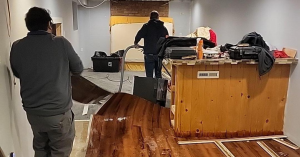
Drying typically takes 3-7 days depending on damage severity. Repairs begin after drying completes and insurance approves the scope, with timelines varying based on material availability, approval speed, and how extensive the damage is. A minor leak might resolve in two weeks total. A major flood affecting multiple rooms could take two months or longer.
Understanding what drives these timelines helps you plan accordingly and recognize when a company is being honest versus overpromising.
The Two-Phase Timeline: Drying Then Repairs
Water damage restoration happens in two distinct phases, each with its own timeline:
Phase 1: Mitigation and Drying (3-7 days)
This emergency phase begins immediately and includes water extraction, equipment setup, and active drying. Technicians monitor moisture levels daily and adjust equipment until readings confirm the structure is dry.
Phase 2: Restoration and Repairs (1-4+ weeks)
Once drying is verified, rebuilding begins. This phase includes replacing drywall, flooring, cabinets, and finishing work like painting and trim. Timeline depends heavily on scope and material availability.
The gap between phases (1-3 weeks)
Insurance approval, estimate preparation, material ordering, and scheduling create a natural pause between drying and repairs. This isn’t wasted time—it ensures everyone agrees on scope before work begins.
Homeowners in Minneapolis, Eden Prairie, and St. Louis Park often find the total process takes longer than expected, but each step exists for good reason.
What Affects Drying Time
Several factors determine whether your home dries in three days or seven:
Amount of water involved. A small appliance leak dries faster than a basement with six inches of standing water. More water means more moisture absorbed into materials.
Materials affected. Carpet and drywall dry relatively quickly. Hardwood floors, plaster walls, and concrete take significantly longer. Homes with multiple material types require balancing different drying rates.
How quickly mitigation began. Water that sat for 48 hours before extraction penetrates deeper than water addressed within hours. Delayed response extends drying time.
Home construction and layout. Finished basements, interior bathrooms without windows, and homes with limited airflow require more equipment and more time. Older homes in Minnetonka and Edina with plaster walls often dry slower than newer construction.
Weather and humidity. Minnesota summers with high humidity slow drying. Winter’s dry air can help, though frozen pipes create their own complications.
Equipment quantity and placement. More severe damage requires more air movers and dehumidifiers, strategically positioned and adjusted throughout the drying process.
What Affects Repair Timeline
Once drying completes, repair speed depends on different factors:
Scope of damage. Replacing drywall in one room takes days. Rebuilding an entire basement takes weeks. The amount of work directly drives the timeline.
Insurance approval process. Before major repairs begin, insurance typically reviews and approves the restoration estimate. This can take days or weeks depending on your insurer and claim complexity.
Material availability. Standard drywall and carpet are readily available. Matching existing hardwood, custom cabinets, or specialty tile may require ordering and waiting. Supply chain delays can extend timelines unpredictably.
Contractor scheduling. Restoration companies manage multiple projects. Your repair phase is scheduled based on crew availability and workflow. Peak seasons after storms may create longer waits.
Permit requirements. Some repairs require building permits and inspections, adding administrative time to the process.
Homeowners in Bloomington, Chanhassen, and Plymouth with custom finishes or specialty materials should expect longer timelines than those with standard construction.
Sample Timelines by Damage Severity
Every situation differs, but these examples illustrate typical ranges:
Minor damage (small leak, one room, caught quickly):
- Drying: 3-4 days
- Insurance/scheduling gap: 1 week
- Repairs: 3-5 days
- Total: 2-3 weeks
Moderate damage (appliance failure, multiple rooms, some drywall removal):
- Drying: 4-5 days
- Insurance/scheduling gap: 1-2 weeks
- Repairs: 1-2 weeks
- Total: 4-6 weeks
Severe damage (major flood, basement or multiple floors, extensive removal):
- Drying: 5-7 days
- Insurance/scheduling gap: 2-3 weeks
- Repairs: 3-6 weeks
- Total: 6-10 weeks
Catastrophic damage (whole-home impact, structural concerns):
- Timeline varies dramatically—potentially 3-6 months for complete restoration
These ranges assume reasonably prompt insurance response and material availability. Complications extend any timeline.
Why Rushing the Process Backfires
Pressure to “just get it done” is understandable but counterproductive:
Rushing drying causes mold. Installing new drywall before studs fully dry traps moisture inside walls. Mold appears within weeks, requiring tear-out and starting over. A few extra days of drying prevents months of additional problems.
Rushing repairs shows in quality. Drywall finishing, painting, and flooring installation require proper technique and drying time between coats. Rushed work looks rushed—and you’ll live with visible defects.
Skipping insurance approval creates payment problems. Starting major repairs before approval risks discovering insurance won’t cover the work as completed. Patience during the approval process protects your finances.
Cutting corners on materials disappoints long-term. Quick-ship replacements may not match your existing finishes. Waiting for proper materials ensures your home looks right when complete.
Red Flags: Unrealistic Timeline Promises
Be cautious of companies that promise suspiciously fast timelines:
- “We’ll have you back to normal in 48 hours” for anything beyond a tiny leak
- Removing drying equipment before moisture readings confirm dryness
- Starting repairs the same day as water extraction
- Guaranteeing completion dates before seeing the damage
- Pressure to skip insurance involvement to “speed things up”
Honest companies explain realistic timelines upfront and keep you informed as the process unfolds. They’d rather set accurate expectations than overpromise and underdeliver.
The Bottom Line: Realistic Expectations
Drying phase: 3-7 days
- Cannot be rushed without risking mold
- Daily monitoring confirms progress
- Complete when moisture readings verify dryness
Repair phase: 1-6+ weeks
- Begins after drying and insurance approval
- Timeline scales with damage scope
- Material availability affects scheduling
Communication throughout:
- Expect regular updates on progress
- Ask questions when timelines shift
- A good company explains delays honestly
Next Steps for Twin Cities Homeowners
If you’re dealing with water damage in Minneapolis, Wayzata, Savage, or anywhere in the metro area, ask your restoration company for a realistic timeline estimate based on your specific situation.
Work with a company that communicates proactively throughout the process, explaining what’s happening at each phase and why. The right partner keeps you informed from emergency response through final repairs—no surprises, no false promises.