


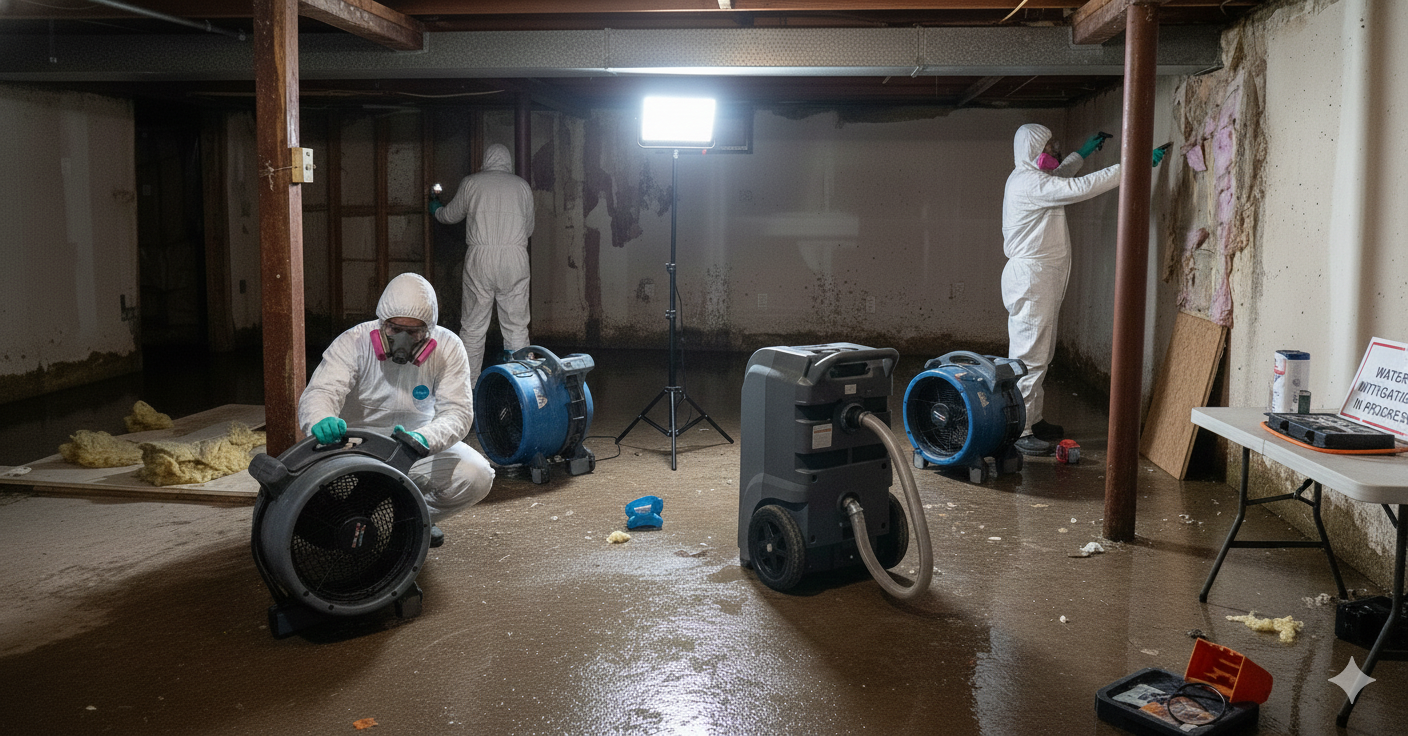
Discovering water damage? Water mitigation is the immediate set of actions that control and reduce the damage, stop further loss, and create a safe path to full restoration — and you should call Bedrock Restoration as soon as you detect moisture or standing water.
When water invades a home or business, minutes and hours matter. This post explains what water mitigation actually includes, why immediate action reduces cost and long-term damage, how Bedrock Restoration responds and what to expect when you call, plus real examples and local details to establish clear geographic relevance for property owners across the Twin Cities and surrounding neighborhoods. You will also find practical do‑it‑now steps you can take safely before professional help arrives, a thorough explanation of drying and remediation science, insurance navigation guidance, and a 10‑question FAQ section built from common customer queries and documented answers.
What is water mitigation?
Water mitigation is the emergency, containment, and damage‑control phase that begins immediately after water intrusion. It is not final repairs or reconstruction; instead, mitigation includes rapid assessment, water extraction, structural drying, moisture mapping, contamination control, sanitation, and temporary measures to prevent further property loss. Effective mitigation limits structural, content, and mold damage so that repairs later are less extensive and less costly.
Mitigation focuses on three primary goals:
- Stop the source and secure the structure — Identify and shut off leaking plumbing, isolate flooded areas, make electrical systems safe, and install temporary containment if needed.
- Remove water and begin drying immediately — Use pumps, high‑volume extractors, air movers, and industrial dehumidifiers to remove standing water and reduce moisture in building materials.
- Prevent secondary damage — Apply antimicrobial treatments, move salvageable contents to a dry area, and monitor moisture so mold and structural deterioration do not occur.
Why immediate mitigation matters
Time is the single most important variable when water damage happens. Rapid mitigation reduces the chance of structural compromise, mold growth, and irreversible loss of personal property. When professional technicians respond quickly, they reduce drying time, lower repair costs, and improve outcomes for contents and finishes. Quick mitigation also provides documented, professional evidence that supports insurance claims and helps prevent disputes over delayed response or neglect.
Practical effects of prompt mitigation include:
- Shorter drying cycles and less demolition
- Higher rate of successful content salvage
- Reduced mold and microbial amplification
- Smoother insurance claims with better documentation from the first responder
How quickly should you call Bedrock Restoration?
Call Bedrock Restoration immediately upon discovering any unexplained moisture, visible water accumulation, active leaks, or a musty odor indicating hidden moisture. Bedrock provides 24/7 emergency dispatch and prioritizes fast response to limit damage. The sooner the mitigation team is onsite, the faster they can extract water, set up drying systems, document conditions for insurance, and begin treatments to reduce mold risk.
If water is actively flowing or you have more than a small, easily addressed leak, call right away. For small incidents where you can safely manage the source (for example, turn off a leaking appliance or the main water valve), still call Bedrock as soon as possible to schedule a mitigation assessment — hidden moisture can persist and grow mold within 24–48 hours.
What happens when you call Bedrock Restoration?
When you contact Bedrock Restoration after discovering water damage, expect a professional, documented, and systematic response that emphasizes safety and fast containment. Typical steps include:
- Immediate triage and 24/7 dispatch: A customer service intake confirms the emergency and dispatches a mitigation crew to your property.
- On‑site assessment and moisture mapping: Technicians perform a thorough inspection using moisture meters and thermal imaging to identify wet materials and hidden pockets of moisture.
- Emergency stabilization: Technicians stop the source of water if possible, secure electrical hazards, and establish containment to protect unaffected areas.
- Water extraction and structural drying: Use of pumps, extractors, air movers, and industrial dehumidifiers to remove standing water and read moisture levels until drying goals are met.
- Sanitation and odor control: Antimicrobial and deodorizing treatments reduce bacterial or odor issues and help prevent mold growth.
- Content handling and pack‑out: Salvageable furniture, textiles, and documents are cleaned, dried, and stored or returned when safe.
- Documentation and insurance coordination: Detailed records, moisture readings, and photographs document the event to support claims and repair planning.
- Transition to restoration: Once structural drying goals are reached, mitigation seamlessly transitions to repair and reconstruction services to restore the property.
Services Bedrock Restoration includes in mitigation and why they matter
Bedrock’s mitigation services combine certified technicians, industry equipment, and an end‑to‑end workflow that reduces risk and expedites recovery. Key components include:
- 24/7 Emergency Response — Rapid arrival reduces exposure time for wet materials and increases salvage potential.
- Certified Technicians — Technicians trained in industry best practices and standards perform accurate assessments and remediation steps.
- Advanced Equipment — Thermal imagers, hygrometers, centrifugal air movers, desiccant and refrigerant dehumidifiers, and industrial extractors enable targeted, measurable drying.
- Mold Prevention and Sanitation — Antimicrobial treatments and HEPA air filtration reduce biological amplification and protect air quality.
- Full Documentation — Detailed condition reports, moisture logs, and photographic evidence support insurance claims and future decisions.
- Transition to Full Restoration — Because Bedrock handles reconstruction, mitigation is planned to minimize demolitions and simplify rebuilds.
Understanding the science of drying and moisture control
Effective mitigation is built on moisture dynamics and psychrometrics: moving water from wet materials into the air and then removing that moisture from the air so materials can release retained water. Professionals measure three key parameters:
- Relative humidity (RH) — The percent of moisture in the air compared to the air’s capacity at that temperature.
- Grains per pound (GPP) or absolute humidity — Total moisture content in the air mass.
- Temperature — Warmer air can hold more moisture, so temperature control affects drying speed.
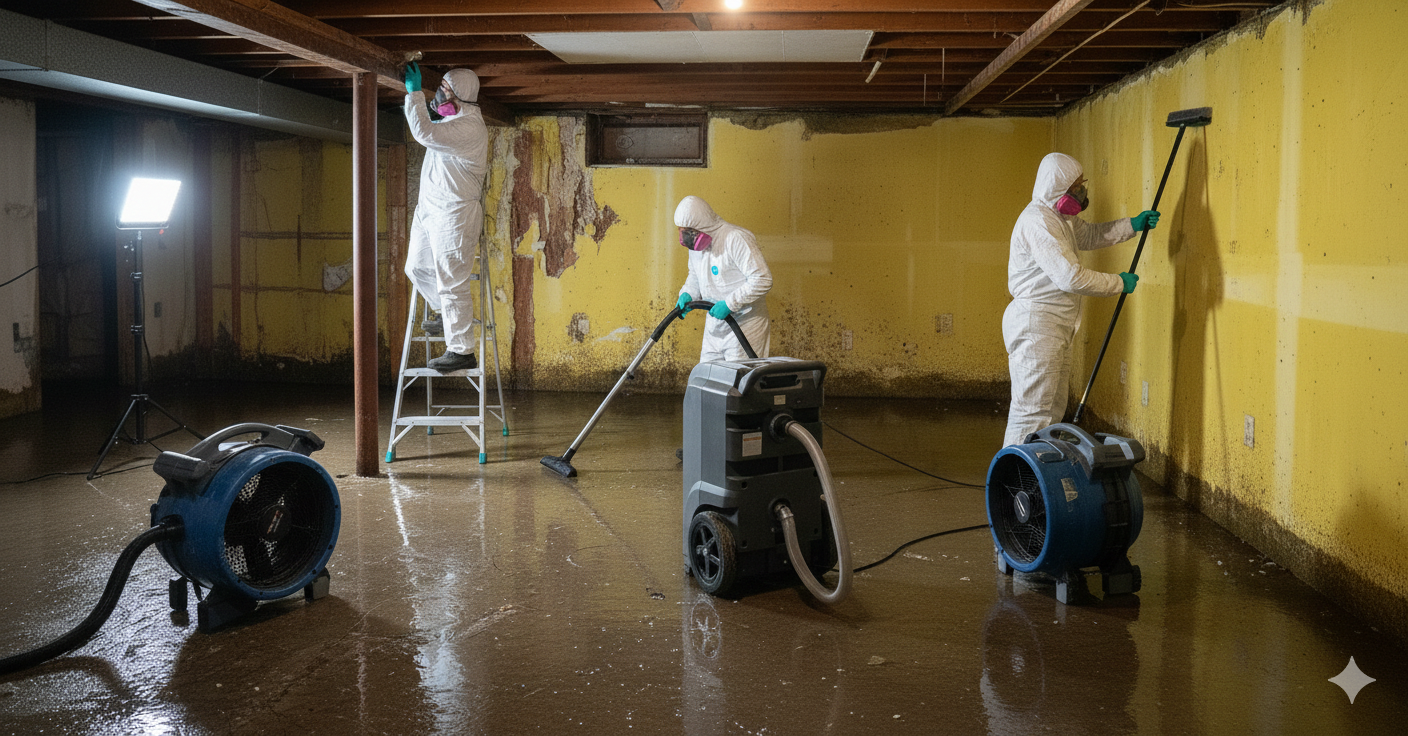
Mitigation technicians use air movers to increase evaporation from wet materials and dehumidifiers to remove the evaporated moisture from the air. Monitoring with moisture meters and thermal infrared cameras ensures hidden cavities, wall assemblies, and subfloors meet drying goals before repair work begins. This reduces the risk of microbial growth and structural deterioration.
Common causes of residential water damage where mitigation is essential
- Burst or leaking plumbing — Pipes freeze and burst in winter, joints fail, or appliances leak unexpectedly.
- Appliance failures — Washing machines, dishwashers, and water heaters can overflow or rupture.
- Roof and flashing leaks — Storm damage or wear can let water into attics and ceilings.
- Stormwater and surface flooding — Heavy rains or poor site drainage can push water into basements and lower levels.
- Sewer backups — These events often require specialized sanitation and raise contamination concerns.
Real examples and local relevance
Bedrock Restoration is a locally founded, family‑owned restoration company serving the Twin Cities metro area and surrounding communities. Their teams respond to water damage events in neighborhoods and local landmarks such as the Chain of Lakes area, Minnehaha Park, the University of Minnesota corridor, and neighborhoods across Minneapolis and St. Paul. Because local climate patterns drive seasonal freeze‑thaw plumbing failures and spring runoff events, rapid mitigation is especially important in these communities.
Example case: A homeowner in a Minneapolis bungalow experienced a burst supply line in a second‑floor bathroom during an overnight freeze. Bedrock’s mitigation crew arrived after a single emergency call, isolated the water supply, performed water extraction and structural drying, and documented moisture reduction with thermal imaging and moisture meters before beginning repairs. The rapid response limited demolition to a single wall cavity and saved most contents from irreversible damage.
Example case: A St. Paul townhouse suffered stormwater intrusion after heavy rains overwhelmed an older sump and patio drain system. Bedrock responded with emergency pumping, dehumidification, and targeted antimicrobial treatments. Because the crew documented moisture readings and photographed conditions, the homeowner’s insurance claim was approved quickly and reconstruction proceeded without delays.
How mitigation and mold prevention intersect
Hidden moisture after water damage is the primary driver of mold growth. Mold can begin to colonize porous materials within 24–48 hours under favorable temperature and humidity conditions. Mitigation reduces mold risk by rapidly removing moisture, drying building materials to acceptable levels, and applying antimicrobial agents to vulnerable surfaces. If mold is already visible, mitigation crews coordinate with mold remediation specialists to safely contain and remove affected materials prior to reconstruction.
Insurance: documentation and claims support during mitigation
Proper mitigation supports smoother insurance claims. Bedrock’s mitigation process includes comprehensive documentation: condition photos, moisture meter logs, thermal imagery, scope of work, and an itemized list of damaged contents. This evidence demonstrates timely professional response, supports the necessity and extent of mitigation measures, and helps justify repair and replacement costs. Bedrock’s team can also communicate directly with insurers to explain findings and recommended next steps, reducing confusion for homeowners already coping with stress and loss.
What homeowners can safely do before professionals arrive
Immediate, safe steps you can take before Bedrock arrives:
- Turn off the water source if the leak is plumbing related and you can access the shutoff safely.
- Turn off electricity to affected areas if water is near outlets or appliances and you can do so without stepping in water.
- Stop the flow where possible — use catch pans or buckets to limit spread of water.
- Move valuables and electronics to a dry area if you can safely carry them without wading through contaminated water.
- Do not attempt extensive demolition or use household vacuums on standing water — this can be unsafe and may increase contamination risks.
- Document the damage with photos and notes for your insurance claim.
When to wait for professionals: contamination and safety thresholds
Certain events always require professional mitigation and specialized handling. These include significant flooding from stormwater, riverine flooding, or sewer backups where contamination is likely. Standing water deeper than a few inches or water immuning electrical systems should be handled by trained technicians. If mold is visible or you suspect contaminated water, wait for professionals and avoid re‑entering affected areas until they deem them safe.
Bedrock Restoration’s qualifications and capabilities
Bedrock Restoration operates as a licensed general contracting and restoration company with a focus on end‑to‑end service, from mitigation through full reconstruction. Their technicians are trained in industry best practices for water damage mitigation, drying science, and mold prevention. Bedrock emphasizes a single point of contact for customers, continuous care throughout the project, and documentation practices that support insurance claims and regulatory standards.
Bedrock’s approach couples emergency mitigation experience with restoration and rebuild capabilities, meaning mitigation decisions are made with an eye toward preserving finishes and minimizing unnecessary demolition, which reduces total project cost and downtime.
How Bedrock measures success during mitigation
Success is measured by objective drying goals and client outcomes. Key indicators include:
- Moisture readings returned to normal for the material type
- Relative humidity and indoor air quality stabilized within acceptable ranges
- Visible mold growth prevented or removed
- Contents successfully salvaged and returned
- Client satisfaction with communication, speed, and the final repair scope
Estimating mitigation time and cost
Mitigation time and cost depend on the extent of water, affected materials, access for equipment, and contamination level. A small localized leak might be mitigated within one to two days, while larger floods and complex assemblies may require several days to weeks of drying and monitoring before repairs begin. Because Bedrock offers full reconstruction services, they can provide accurate cost projections that combine mitigation and repair scopes so homeowners see the complete picture.
Local, hyper‑relevant details for Twin Cities property owners
Bedrock’s service area includes Minneapolis, St. Paul, and surrounding Twin Cities neighborhoods where specific local factors influence water damage risk. Seasonal freeze that affects pipes in older homes around Lake Harriet and Lake Calhoun can cause winter burst pipes in South Minneapolis bungalows. Heavy spring rains combined with older sewer systems can produce basement floods in historic areas near St. Paul’s Lowertown. Bedrock’s crews regularly serve neighborhoods adjacent to Minnehaha Falls, the University of Minnesota campus corridors, and suburban town centers where sump pump failures or foundation drainage issues commonly cause interior flooding. Understanding these local patterns allows Bedrock to prioritize preventive advice and rapid mitigation tailored to the region’s weather cycles and building stock.
Choosing a mitigation partner: questions to ask
When selecting a mitigation company, ask:
- Are your technicians certified in water damage restoration and mitigation?
- Do you provide 24/7 emergency response and what is your typical arrival time?
- What equipment will you use and how do you measure drying progress?
- Do you handle insurance documentation and claims advocacy?
- Can you transition from mitigation to full reconstruction?
Bedrock offers answers to these questions through a documented intake process, certified technicians, 24/7 dispatch, advanced drying equipment, and end‑to‑end reconstruction services. This single‑vendor approach reduces coordination burden and improves accountability for homeowners.
How to prepare for a mitigation visit
Before the mitigation crew arrives, gather basic information and items to speed service and claim documentation:
- Take time‑stamped photos and videos of affected areas and any visible damage.
- Locate shutoff valves for water and electricity where safe.
- Make a list or photograph valuables and note what you moved to a dry location.
- Collect appliance manuals or model numbers if an appliance caused the leak.
- Provide insurance information and policy number to the crew if available.
Bedrock’s customer experience: what to expect
From first call to final invoice, Bedrock emphasizes communication and care. Expect a mitigation technician to explain immediate safety measures, perform an objective moisture survey, outline the mitigation plan including equipment placement and estimated timeline, and detail documentation that will be provided for insurance. Because Bedrock performs reconstruction, they will also discuss the likely repair pathway once drying goals are achieved, and coordinate directly with insurance adjusters when permitted by the homeowner.
Case study highlights and outcomes
Examples of successful mitigation‑to‑restoration projects demonstrate Bedrock’s capacity to limit damage and restore properties efficiently. In a winter pipe burst case in South Minneapolis, rapid mitigation limited demolition to a single bathroom wall and returned the homeowner to a fully renovated space within a defined schedule. In a spring storm event in St. Paul, Bedrock’s simultaneous extraction, dehumidification, and antimicrobial treatments prevented mold growth and allowed full content restoration, saving the homeowner thousands in replacement costs.
Longer‑term prevention and resilience
Mitigation is the first step; longer‑term resilience requires attention to the root cause. Bedrock advises property owners on durable solutions including improved site grading and drainage, sump pump upgrades, backwater valves, regular plumbing inspections, and attic and pipe insulation to reduce freeze‑related failures. These preventive measures reduce the likelihood of recurring mitigation events and make any future incidents easier and less costly to manage.
How Bedrock documents research, standards, and methodology
Bedrock follows industry best practices and measurable drying goals. Their process includes objective moisture measurements, use of thermal imaging to find hidden pockets of moisture, and continued monitoring until established drying endpoints are met. This documented approach ensures transparency and provides verifiable evidence for insurance claims. Bedrock’s teams maintain records of equipment run times, moisture logs, and photographic evidence so homeowners and insurers have a clear, auditable mitigation record.
Contacting Bedrock Restoration
If you discover water damage, call Bedrock Restoration immediately to start mitigation and minimize loss. Bedrock offers 24/7 emergency dispatch to the Twin Cities and surrounding neighborhoods and coordinates mitigation through reconstruction to simplify recovery. For a fast response, have your location, a brief description of the damage, and any immediate safety concerns ready when you call.
For more information about the company’s water mitigation services and to access resources and contact options, visit the Bedrock Restoration home page using the Bedrock Restoration Twin Cities Home Emergency Restoration Solutions anchor link and the detailed water mitigation resource page through the Bedrock Full-Service Water Mitigation Solutions anchor link.
Frequently Asked Questions
How quickly should I call a professional after discovering water damage?
Call a professional immediately upon discovering standing water, an active leak, or any unexplained moisture. Rapid mitigation limits structural damage and mold growth; mold can begin to colonize porous materials within 24–48 hours, so the faster you call, the better your outcome. If it is safe to do so, shut off the water source and electricity to affected areas, document the damage with photos, and move valuables to a dry place before professional crews arrive. Bedrock Restoration provides 24/7 dispatch to begin mitigation, extraction, and drying as soon as they are contacted so that drying goals are met and unnecessary demolition is avoided.
What does the mitigation crew do during the first visit?
During the first visit the mitigation crew performs a safety assessment, locates and stops the source of water where possible, documents conditions with photographs, conducts moisture mapping with meters and thermal imaging, and begins emergency actions such as water extraction and establishing drying systems. They will explain the immediate plan of action, identify any contaminated water or electrical hazards, and set objective drying goals. The crew also documents findings and provides information to assist with insurance claims and the next steps toward restoration.
Can mitigation prevent the need for major repairs?
Effective mitigation often prevents wide‑scale demolition and reduces repair costs by drying materials before they become structurally compromised or colonized by mold. While not all damage can be avoided, rapid professional mitigation limits the area requiring reconstruction, improves chances of content salvage, and reduces total project time and expense. Bedrock’s combined mitigation and reconstruction capability allows crews to make mitigation choices that preserve finishes and minimize unnecessary removal, which often results in less extensive repairs.
Is mitigation covered by homeowner’s insurance?
Many homeowner policies cover sudden and accidental water damage mitigation, but coverage varies by policy and the cause of the water intrusion. Most insurance companies expect a prompt professional response; failing to mitigate can jeopardize coverage. Bedrock documents all mitigation actions, moisture readings, and photographic evidence to support claims and can coordinate with insurers when authorized. Always contact your insurer promptly and keep records of professional mitigation to streamline the claim process.
How long does structural drying usually take?
Drying time depends on the extent of saturation, material types, building assembly, and environmental conditions. Small localized leaks may dry in 24–72 hours with active drying equipment, while larger floods or complex wall and floor assemblies can require days to weeks of drying and monitoring before repair. Technicians monitor moisture content and relative humidity and only recommend reconstruction once verified drying goals are met to prevent hidden moisture and mold growth.
Will mitigation handle mold if I already see mold growing?
If you already see mold growth, mitigation crews coordinate containment, removal, and mold remediation in line with safety protocols. Mitigation controls moisture and limits spread, while mold remediation is required to remove colonized materials safely. Professionals use HEPA filtration, contained demolition, and antimicrobial treatments to address mold hazards before reconstruction. If mold is visible, do not attempt to clean large areas yourself; call a qualified mitigation and remediation team.
What equipment do technicians use for mitigation and why?
Technicians use industrial extractors, pumps, centrifugal air movers, and refrigerant or desiccant dehumidifiers to remove water and control humidity. Thermal imaging and moisture meters are used to locate hidden moisture pockets and verify drying progress. HEPA air scrubbers and antimicrobial agents may be used to manage air quality and microbial risks. The correct use and placement of this equipment, combined with ongoing monitoring, are what make professional mitigation effective compared with DIY efforts.
Can my personal items be salvaged during mitigation?
Many personal items can be salvaged if mitigation begins quickly. Textiles, upholstered furniture, and documents often respond well to professional extraction and specialized drying techniques. Electronics and sentimental items may require specialized handling and pack‑out to a secure drying facility. Bedrock documents and inventories contents during mitigation to maximize salvage and provide a detailed list for insurance purposes.
How does Bedrock coordinate mitigation with reconstruction?
Bedrock provides an integrated mitigation and reconstruction workflow so mitigation decisions account for future repairs. After drying goals are achieved, the mitigation team hands off to restoration crews who manage repairs and reconstruction. This single‑company approach reduces coordination time, ensures continuity of documentation, and holds one contractor accountable from emergency response through finished repairs and final walkthroughs.
What are the most common causes of water damage in the Twin Cities area?
Common regional causes include burst pipes during winter freeze events in older homes, sump pump failures during spring runoff, roof leaks during storm seasons, and appliance failures such as washing machine or water heater ruptures. Coastal flooding is not a local concern here, but we do see basement and lower‑level flooding in neighborhoods with older stormwater systems and heavy rains. Understanding these local risk patterns helps homeowners prioritize prevention measures like pipe insulation, sump pump maintenance, improved grading, and regular plumbing inspections.
Conclusion and next steps
Water mitigation is the emergency, evidence‑based process that limits damage, protects health, and prepares a property for safe restoration. Call Bedrock Restoration immediately when you discover water damage so certified technicians can begin mitigation, document conditions for insurance, and transition the property to full restoration with minimal disruption. For emergency assistance and expert mitigation, visit the Bedrock Restoration Twin Cities Home Emergency Restoration Solutions anchor link or contact the Bedrock Restoration home page for immediate guidance and 24/7 response.
Note: This article emphasizes timely action. If you are facing an active leak, standing water, suspected contamination, or visible mold, call a licensed, certified mitigation professional right away for an on‑site assessment.