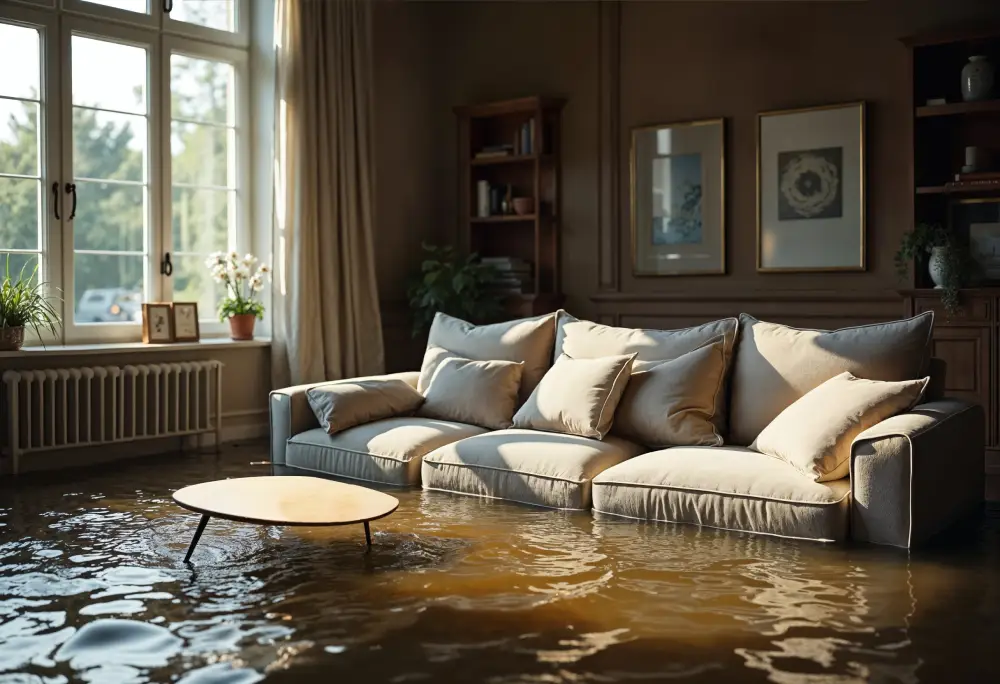
How to Find the Source of Water Damage in Your Home: A Step-by-Step Guide

The most reliable method is to follow the water trail back to its origin. Start where you see the most moisture and work backward, checking nearby appliances, plumbing connections, walls, and ceilings along the way. Some sources are immediately obvious, while others hide behind drywall or under flooring and require specialized detection equipment to locate.

Finding the source quickly is critical because water damage spreads fast, and the longer a leak continues, the more extensive the repairs become.

Start With the Obvious: Check Nearby Appliances and Fixtures

Before assuming the worst, inspect the most common culprits within ten feet of where you found water:

  • Washing machines: Check supply hoses for cracks, bulges, or loose connections
  • Dishwashers: Look under and behind the unit for pooling water or corroded fittings
  • Water heaters: Inspect the base, pressure relief valve, and inlet/outlet connections
  • Refrigerators with ice makers: Examine the water supply line running to the back
  • Toilets: Check the base for seepage, the supply line, and inside the tank
  • Sinks: Look under cabinets for drips from supply lines, drain pipes, or garbage disposals

Run each appliance and watch for active dripping. Sometimes leaks only appear when the fixture is in use.

Follow the Water Trail: Reading the Clues

Water follows gravity, but it also travels along unexpected paths. Understanding how water moves helps you trace it to its source.

Key principles:

  • Water always flows downhill, but it can travel horizontally along pipes, joists, or other surfaces before dropping
  • The wet spot you see may be far from the actual leak location
  • Stains often appear darker at the edges where water evaporates slowest
  • Fresh water is clear; older leaks leave brownish or yellowish discoloration

Tracking technique: Place your hand on the wet area and feel which direction is wettest. Move toward increasing moisture until you find the origin point or hit a wall.

Common Hidden Water Sources by Room

Different areas of your home have different likely culprits. Here’s where to look based on where you found the water:

Basement water in Minneapolis-area homes:

  • Foundation cracks allowing groundwater seepage
  • Failed sump pump or overwhelmed drainage system
  • Condensation on cold water pipes during humid summers
  • Water heater failures (common location for this appliance)

Ceiling stains or drips:

  • Bathroom directly above (toilet seal, shower pan, supply lines)
  • Roof leak traveling along rafters before dripping down
  • HVAC condensate line clogs or overflows
  • Ice dams during Minnesota winters forcing water under shingles

Kitchen water damage:

  • Dishwasher door seals or drain hose failures
  • Garbage disposal connections
  • Supply lines under the sink
  • Refrigerator ice maker lines (often hidden behind the unit)

Signs the Water Source Is Behind Walls or Ceilings

Some leaks never show themselves directly. Watch for these indicators that water is traveling inside your walls:

  • Bubbling or peeling paint: Moisture trapped behind the surface pushes paint away
  • Soft or warped drywall: Gently press on walls near water stains; sponginess indicates saturation
  • Musty odors without visible mold: Hidden moisture creates conditions for mold growth you can smell but not see
  • Unexplained increase in water bills: A sudden spike often means water is running continuously somewhere
  • Sound of running water when nothing is on: Listen carefully near walls, especially at night when the house is quiet

Homeowners in Edina, Eden Prairie, and St. Louis Park with older plumbing should be especially vigilant for these warning signs.

When DIY Detection Isn’t Enough

Some water sources simply cannot be found without professional equipment:

Thermal imaging cameras detect temperature differences behind walls, revealing wet insulation or hidden moisture that’s invisible to the eye.

Moisture meters measure saturation levels in building materials, helping technicians map exactly how far water has traveled.

Acoustic detection equipment pinpoints leaks in pressurized pipes by amplifying the sound of escaping water.

Borescope cameras allow visual inspection inside wall cavities through small holes, confirming suspected leak locations before opening walls.

If you’ve checked all visible sources and the water keeps appearing, professional detection saves time and prevents unnecessary demolition.

Red Flags That Indicate a Serious Hidden Leak

Call for professional help immediately if you notice:

  • Water appearing in multiple rooms simultaneously: Suggests a main supply line issue
  • Water stains that grow larger daily: The leak is active and ongoing
  • Wet carpet or flooring far from any fixture: Indicates water traveling under your subfloor
  • Mold growth accompanying the moisture: The leak has existed long enough for biological growth
  • Water pressure dropping throughout your home: Points to a significant pipe failure
  • Sewer smell accompanying the water: May indicate drain line backup rather than supply leak

These situations typically require immediate mitigation to prevent structural damage and health hazards.

Why Finding the Source Fast Matters

Every hour water continues flowing, damage expands:

  • Within 24 hours: Drywall begins absorbing moisture, furniture and belongings start swelling
  • Within 48 hours: Mold spores can begin colonizing damp materials
  • Within one week: Structural materials weaken, and remediation costs increase significantly

For homeowners in Minnetonka, Chanhassen, Bloomington, and throughout the Twin Cities, Minnesota’s humidity levels during summer months accelerate mold growth once moisture is present.

The Bottom Line: DIY vs. Professional Detection

Handle it yourself if: The source is visible, accessible, and easily traced to a specific appliance or fixture you can see and touch.

Call a professional if: You’ve checked obvious sources without finding the leak, water keeps returning, you suspect the source is behind walls or under floors, or you notice any red flags listed above.

Either way: Stop the water if possible by shutting off the supply valve to the suspected fixture, or the main water shutoff if you can’t locate the source.

Next Steps for Twin Cities Homeowners

If you’ve found water damage in your home and can’t pinpoint the source, don’t wait and hope it stops on its own. Water damage worsens quickly, and hidden leaks cause the most expensive repairs.

Contact a restoration company with professional detection equipment to locate the source, stop the damage, and document everything for insurance purposes.


How to Dry Wet Floors and Walls After Water Damage: What Actually Works


Effective drying requires getting hot, dry air into every wet cavity, not just across visible surfaces.
Pointing a fan at a wet floor might dry what you can see, but moisture trapped behind walls, under flooring, and inside wall cavities continues causing damage invisibly. Proper structural drying reaches into these hidden spaces to remove all moisture before mold growth begins.

The difference between surface drying and complete drying often determines whether you face minor repairs or major reconstruction.

Why a Box Fan in the Room Won’t Cut It

A common misconception is that air movement alone dries water damage. Here’s why that approach fails:

Surface evaporation isn’t the problem. Visible water on your floor evaporates relatively quickly. The real threat is moisture that has wicked into porous materials like drywall, insulation, subfloor, and carpet padding.

Trapped moisture stays trapped. Wall cavities, the space between subfloor and finished flooring, and areas behind baseboards create pockets where humid air sits stagnant. A fan in the middle of the room never reaches these spaces.

You can’t dry what you can’t reach. Wet insulation inside a wall cavity will hold moisture for weeks unless you create airflow specifically targeting that space.

Homeowners in Minneapolis, St. Louis Park, and throughout the Twin Cities often discover mold months later in walls they thought were dry because surface drying looked complete.

The Science Behind Proper Structural Drying

Effective water damage drying relies on four factors working together:

Temperature: Warmer air holds more moisture and accelerates evaporation from wet materials. Drying slows dramatically below 70°F.

Humidity: Lowering the relative humidity in the space creates a vapor pressure difference that pulls moisture out of wet materials.

Airflow: Moving air across wet surfaces carries away evaporated moisture, but only if that air can reach the wet material.

Time: Even with optimal conditions, structural materials need days to dry completely—there’s no instant fix.

Professional drying systems balance all four factors simultaneously, adjusting as conditions change throughout the drying process.

What You Can Do Immediately (First 30 Minutes)

Quick action limits how far water spreads and reduces total damage. Here’s what to do right away:

  1. Stop the water source if it’s still flowing—shut off the valve or main water supply
  2. Extract standing water using a wet/dry vacuum, mops, or towels
  3. Remove saturated rugs and small furniture to prevent further absorption and allow airflow
  4. Pull up carpet corners if possible to expose wet padding underneath
  5. Open cabinet doors and closets to increase air circulation in enclosed spaces
  6. Turn on your HVAC system to begin air circulation (set to fan mode)

These steps buy you time, but they don’t replace proper drying—they just slow the damage progression.

DIY Drying Methods That Help vs. Those That Hurt

Not all home remedies work, and some make things worse.

Methods that help:

  • Running your air conditioning (removes humidity from the air)
  • Using a dehumidifier rated for your space size
  • Opening windows only if outdoor humidity is lower than indoor levels
  • Removing baseboards to allow wall cavities to breathe
  • Pulling back carpet to expose and remove wet padding

Methods that hurt:

  • Using heaters without dehumidification (creates a sauna effect that spreads moisture)
  • Opening windows during humid Minnesota summers (adds moisture to the space)
  • Laying towels over wet carpet and walking on them (pushes water deeper into padding)
  • Closing up the house without dehumidification (traps humid air inside)
  • Painting over damp walls to “seal in” moisture (guarantees mold growth)

The worst mistake is assuming materials are dry because they feel dry to the touch. Surface dryness means almost nothing for structural materials.

Hidden Moisture Traps Most Homeowners Miss

Water travels to places you wouldn’t expect. These hidden areas often retain moisture long after visible surfaces appear dry:

Under vinyl and laminate flooring: Water seeps through seams and gets trapped between the flooring and subfloor with no way to evaporate.

Inside wall cavities: Drywall acts like a sponge, wicking water upward. A wall wet at the base may be saturated three feet up.

Behind kitchen and bathroom cabinets: Toe kicks and enclosed cabinet backs create dead air spaces where moisture lingers.

Carpet padding: This sponge-like material holds enormous amounts of water and dries extremely slowly, even after the carpet above feels dry.

Insulation inside walls: Wet fiberglass insulation loses its insulating value and provides an ideal environment for mold growth.

Homeowners in Eden Prairie, Edina, and Minnetonka with finished basements face particular challenges because moisture can migrate behind finished walls without any visible indication.

Red Flags That Indicate Incomplete Drying

Watch for these warning signs in the days and weeks following water damage:

  • Musty or earthy odors that appear or worsen over time
  • Humidity that won’t drop despite running dehumidifiers
  • Condensation on windows or cold surfaces in the affected area
  • Baseboards or trim that warp or pull away from walls
  • Flooring that buckles, cups, or feels soft underfoot
  • New stains appearing on walls or ceilings near the original damage
  • Persistent dampness when you touch walls or floors

Any of these signs suggest moisture remains trapped in your structure and professional assessment is needed.

Professional Equipment: What It Does and Why It Matters

Restoration professionals use specialized equipment that works differently than consumer products:

Commercial dehumidifiers remove 15-30 gallons of water per day (compared to 2-5 gallons for home units) and operate continuously without the auto-shutoff features that interrupt drying.

Air movers direct high-velocity airflow at specific angles to reach into wall cavities, under flooring, and behind cabinets where moisture hides.

Injectidry systems pump dry air directly into wall cavities, under hardwood floors, and into other enclosed spaces through small ports, drying areas that surface airflow can’t reach.

Moisture meters and thermal imaging monitor drying progress throughout the structure, confirming when materials have reached safe moisture levels rather than guessing.

Professional drying setups typically use multiple pieces of equipment working together, strategically placed based on moisture readings throughout the space.

Timeline: How Long Proper Drying Actually Takes

Complete structural drying takes longer than most homeowners expect:

  • Surface water removal: 1-2 hours with proper extraction equipment
  • Carpet and padding: 24-48 hours with commercial equipment
  • Drywall (not removed): 3-5 days depending on saturation level
  • Hardwood flooring: 5-14 days for complete stabilization
  • Subfloor and structural framing: 3-7 days with proper equipment

Rushing this process or stopping equipment early almost always leads to mold problems or secondary damage that costs more than the original water event.

The Bottom Line: When to DIY vs. Call a Professional

Handle it yourself if: The water affected a small area (under 10 square feet), was from a clean source, didn’t reach walls or flooring, and you caught it within an hour.

Call a professional if: Water reached walls, flooring, or carpet padding; the affected area exceeds 10 square feet; you didn’t discover the water immediately; or you notice any red flags during the drying process.

Always call a professional if: The water came from a contaminated source like sewage, toilet overflow, or floodwater—these situations require specialized handling beyond drying alone.

Next Steps for Twin Cities Homeowners

If you’re dealing with wet floors or walls in Bloomington, Plymouth, Chanhassen, or anywhere in the Minneapolis metro, time is your most valuable resource. Every hour of delayed drying increases the risk of mold growth and structural damage.

Contact a certified restoration company for a moisture assessment to understand exactly how far water has traveled and what proper drying requires for your specific situation.


Is Water Damage Covered by Homeowners Insurance? What Minnesota Homeowners Need to Know

The short answer: It depends on where the water came from and how quickly the damage occurred. Clean water from a burst pipe or sudden appliance failure is often covered by standard homeowners insurance. Water that seeps in from the ground, backs up from sewers, or results from flooding typically requires separate coverage or may not be covered at all.

Your insurance adjuster makes the final determination, but understanding these distinctions helps you know what to expect before you file a claim.

The “Sudden vs. Gradual” Rule That Determines Coverage

Insurance companies distinguish between sudden, accidental damage and gradual damage caused by neglect or deferred maintenance.

Sudden and accidental events (usually covered):

  • A pipe bursts unexpectedly during a Minnesota winter freeze
  • Your washing machine hose fails without warning
  • A water heater ruptures overnight

Gradual damage (typically denied):

  • A slow leak under your sink that went unnoticed for months
  • Seepage through foundation cracks that developed over time
  • Roof damage from years of wear that finally lets water in

The key question adjusters ask: Could this damage have been prevented with reasonable maintenance? If yes, expect pushback on your claim.

Water Sources That Are Typically Covered

Most standard homeowners policies in Eden Prairie, Minnetonka, St. Louis Park, and the broader Twin Cities area cover water damage from:

  • Burst or frozen pipes inside your home
  • Accidental appliance failures (dishwashers, water heaters, washing machines)
  • Sudden roof damage from storms or falling debris
  • Firefighting efforts that cause water damage
  • Accidental overflow from bathtubs or sinks

These scenarios share one common trait: the damage was sudden, unexpected, and not caused by neglect.

Water Sources That Are Usually NOT Covered

Standard homeowners policies typically exclude:

  • Groundwater seepage through foundations or basement walls
  • Sewer or drain backups (requires separate endorsement)
  • Natural flooding from storms, rivers, or snowmelt
  • Sump pump failures (may require additional coverage)
  • Water damage from ongoing maintenance issues

Homeowners in Edina, Chanhassen, and low-lying areas near lakes or rivers should ask their insurance agent specifically about flood and sewer backup endorsements.

Why Professional Documentation Makes or Breaks Your Claim

The difference between a denied claim and an approved one often comes down to documentation quality. Insurance adjusters need clear evidence showing the source of the water, the extent of damage, and the timeline of events.

Professional restoration companies provide:

  • Moisture readings and thermal imaging results
  • Detailed photo and video documentation
  • Written assessments identifying the water source category
  • Itemized damage reports that align with insurance requirements

This documentation gives adjusters what they need to process your claim efficiently, regardless of the outcome.

Red Flags That Can Hurt Your Insurance Claim

Watch for these warning signs that could complicate your claim:

  • Visible mold growth: Suggests the water problem existed long before you reported it
  • Rust or corrosion around pipes: Indicates a slow leak rather than sudden failure
  • Multiple previous claims: May trigger additional scrutiny from your insurer
  • Delayed reporting: Waiting days or weeks to file weakens the “sudden” argument
  • Evidence of DIY repairs: Unpermitted work may void certain coverage provisions

When adjusters see these red flags, they look more closely at whether the damage was truly sudden and accidental.

Common Mistakes Homeowners Make After Water Damage

Avoid these errors that can jeopardize your claim:

  1. Waiting to call for help: Water damage worsens by the hour, and delays suggest the problem wasn’t urgent
  2. Throwing away damaged materials: Adjusters may need to inspect original materials
  3. Not taking photos before cleanup: Document everything before restoration begins
  4. Assuming you’re not covered: Many homeowners skip filing claims for damage that would have been approved

What to Expect From Your Insurance Adjuster

Your adjuster will inspect the property, review documentation, and determine the cause of damage. They’re looking for evidence that supports or contradicts your claim.

Be prepared to answer:

  • When did you first notice the water?
  • What were you doing when the damage occurred?
  • Have you had similar issues before?
  • What maintenance have you performed on plumbing and appliances?

Honest, straightforward answers paired with thorough documentation give you the best chance of a fair outcome.

The Bottom Line: Should You File a Claim?

File a claim if: The damage was sudden, the source is clearly covered (burst pipe, appliance failure), and repair costs significantly exceed your deductible.

Think carefully if: The damage happened gradually, involves groundwater or flooding, or you’re unsure of the water source.

Get professional help either way: A restoration company that documents damage properly sets you up for success whether insurance covers the work or not.

Next Steps for Twin Cities Homeowners

If you’re dealing with water damage in Minneapolis, Bloomington, Plymouth, or anywhere in the Twin Cities metro, start with a professional assessment. Proper documentation protects your interests regardless of how your insurance claim turns out.

Contact a licensed restoration company within hours of discovering water damage to begin mitigation and documentation immediately.


7 Underrated Art Spots in Linden Hills, MN That Inspire Creativity

water damage services

Nestled near the heart of Minneapolis, Linden Hills has long been a haven for artists, dreamers, and creative souls. With its tree-lined streets, cozy cafes, charming boutiques, and serene views of nearby lakes, this neighborhood blends city sophistication with small-community warmth. Yet beyond the bustling markets and trendy eateries lies something even more compelling—the hidden gems that quietly spark imagination.

While many visitors flock to Linden Hills for its vibrant community events or the famous bookstore on 43rd Street, local artists know that creativity often hides in the most unexpected corners. This guide uncovers seven underrated art spots in Linden Hills, MN, where inspiration thrives, and every corner tells a story—sometimes in paint, sometimes in clay, and sometimes in the shifting texture of light and shadow.

Each of these spaces connects deeply with the artistic heartbeat of the neighborhood. Whether you’re a painter seeking calm, a writer chasing ideas, or a sculptor hunting for form, Linden Hills gifts you these sanctuaries of imagination. Water damage services near me

1. The Linden Hills Community Mural Wall

Tucked just off Upton Avenue, the community mural wall is one of those places you might pass every day without realizing its artistic energy. What began as a modest neighborhood initiative has evolved into a living, breathing canvas where residents and local artists collaborate to tell their stories. Bright colors spill across brick, blending whimsical patterns with meaningful themes—from environmental awareness to neighborhood pride.

Each mural cycle introduces something new, keeping the space alive. The most inspiring part isn’t just what’s painted, but how it connects people. Artists share brushes, residents drop by with ideas, and visitors linger, feeling moved by the openness of creative expression.

The wall represents everything that street art stands for: freedom, impermanence, and community spirit. Every brushstroke here celebrates local identity, and with each layer of paint, Linden Hills becomes not just a neighborhood, but a collective art gallery.

Walking by during golden hour adds another layer of inspiration—the way sunlight softens the graffiti lines and brings out hidden hues feels almost like watching art breathe.

2. Harriet Lake’s Quiet Sketch Corners

While Lake Harriet is known for boating, concerts, and picnics, its west-side walking path hides several peaceful alcoves where creativity comes alive. Artists with sketchpads often gather here, drawn by the mirrored shimmer of the lake and the faint sound of water against stone. Some set up small easels to capture clouds reflected on the surface; others find tranquility in the rhythm of birds and ripples.

One bend near the rose garden offers perhaps the most breathtaking view for inspiration—the lake framed by blooming color, a perfect spot for watercolor and contemplation. Morning light glides soft and golden across the scene, sculpting depth into everything it touches.

Beyond the visual beauty, these corners offer something intangible—a pause. They remind us that inspiration doesn’t always roar in; sometimes it arrives quietly, waiting in the reflections of ordinary moments.

Whether an amateur or professional, standing beside this lake with a pencil in hand can feel transformative—an act of calm as much as creativity.

3. The Gallery Under the Stairs

Few know of it, but beneath a local artisan store near 43rd Street lies a basement exhibit fondly called “The Gallery Under the Stairs.” It’s intimate, dimly lit, and packed with eclectic art—mixed media pieces, miniature sculptures, reclaimed wood carvings, and experimental abstracts from neighborhood artists.

Here, creativity thrives in imperfection. The pieces are raw and emotional, sometimes built from recycled metal or found fabric. Each one radiates a story about transformation, resilience, and renewal.

Visitors often leave with two distinct feelings—admiration for the artists’ passion and inspiration to start projects of their own. The close quarters encourage conversation. It’s impossible not to connect with others when you’re standing inches away from the art, discussing what a scrap of steel might symbolize or how rust patterns resemble memories.

In many ways, the Gallery Under the Stairs embodies what makes Linden Hills special: art that feels human and accessible. This isn’t a space of prestige—it’s a celebration of lived experience, turning forgotten materials into emotional expression.

4. The Artisan Courtyard on Xerxes

Hidden behind a row of shops sits a courtyard most visitors never find unless someone points it out. Cobblestone pathways weave between small studios, pottery workshops, and indie jewelry boutiques. Local artists often step outside to paint or work with clay beneath string lights that sway softly in the breeze.

By day, it’s serene and filled with natural light. By night, it transforms into a glowing pocket of collaboration—musicians rehearsing on benches, sculptors shaping texture into life, and photographers experimenting with soft candlelit ambiance.

There’s something about this secluded enclave that makes time feel slower. Creativity flows without judgment here. Each artisan fuels another’s momentum through shared dialogue, admiration, and encouragement. For newcomers, stepping into this courtyard can feel like entering a secret society devoted solely to creation.

Linden Hills may be part of a modern city, but spots like this keep its artistic authenticity intact. The courtyard isn’t flashy, but its atmosphere nurtures ideas that linger long after you leave.

5. The Book Nook Studio

Part café, part reading loft, part art haven—the Book Nook Studio blends literature and visual art in ways that soothe the mind. Its upstairs corner houses revolving monthly exhibits featuring local illustrators and collage artists who pair their works with selected poetry.

In between shelves of novels and the faint aroma of roasted beans, inspiration flows easily. Writers draft stories beside sketches; painters capture moments of conversation, and thinkers pause to absorb the soft hum of quiet creativity. The interplay of art and literature creates something rare—a shared atmosphere of understanding where imagination doesn’t need explanation.

The Book Nook Studio hosts weekly “open sketch nights,” where anyone, regardless of skill, can drop by, borrow supplies, and participate. These sessions have become a creative heartbeat of the neighborhood, igniting collaborations between strangers who later become friends.

For artists, this space becomes a sanctuary—a reminder that storytelling, whether written or visual, springs from the same well of creativity. Here, art breathes between words and colors, blending seamlessly into the fabric of daily life.

6. The Linden Clay Lab

Not far from the neighborhood’s main stretch stands an old warehouse converted into a pottery collective: the Linden Clay Lab. There’s an earthy calm to the place—the faint scent of clay dust and kiln heat mixes with laughter, music, and steady wheels spinning.

This space is both studio and classroom. Beginners roll their first coils beside seasoned potters experimenting with glazes that shimmer like mineral veins. The variety of forms—vases, sculptures, functional ceramics—creates a landscape of tactile art. Watching clay transform from dull grey into something beautiful symbolizes renewal, a constant reminder that creativity often begins in mess.

Weekly community sessions make the Clay Lab approachable for all. Patrons talk about art, philosophy, and even life challenges—all while shaping new designs. It’s the perfect environment to remind oneself that imperfection is not failure; it’s evolution.

The most meaningful moment for many comes during firing. As the kiln door opens, each piece emerges reborn, telling its own story of resilience and care. Much like the community around it, the Clay Lab celebrates transformation through patience, discovery, and persistence.

7. The Secret Garden Gallery

Perhaps Linden Hills’ most enchanting hidden gem, The Secret Garden Gallery is exactly what its name suggests—an outdoor sanctuary behind an unmarked gate, where vines curl around sculptures and local artists display works that blend seamlessly with nature.

Every sculpture here interacts with its surroundings. Iron birds perch among ivy. Painted stones peek through lavender bushes. Water features reflect colors from floral murals that change with the seasons. The garden’s curators believe in the philosophy of “natural installation”—that art should move with the weather and age with the landscape.

It’s an immersive experience of serenity and inspiration. You don’t simply view art here; you live within it. Visitors describe it as walking inside a painting that shifts constantly with sunlight, rainfall, and time.

The sound of rustling leaves complements the visual textures, creating multisensory harmony. Artists often come to meditate or plan new projects inspired by this coexistence between organic and creative worlds. It’s impossible to stand among the whispering plants and not feel your creative spirit stir awake.

The Power of Hidden Creativity

Linden Hills thrives on subtlety. Every alley or park bench might conceal a piece of art, a spontaneous sketch, or a melody drifting from a nearby musician. Creativity here is not just decoration—it’s life itself, woven into the community’s daily rhythm.

What makes these seven art spots particularly inspiring isn’t grandiosity; it’s intimacy. They remind us that creativity doesn’t always announce itself in galleries and museums. Sometimes, it lingers quietly inside conversations, textures, or shared experiences.

Wandering through Linden Hills becomes an act of artistic discovery. Each turn offers an opportunity—to see, feel, and reimagine. These spaces are gifts of perspective, showing that art lives in connection rather than isolation.

When we pause to appreciate this, we rediscover our own potential for imagination.

Why Artistic Spaces Matter More Than Ever

In our fast-paced digital world, real-world places that evoke creativity are precious. Linden Hills stands as a reminder that not all art must be commodified or measured by social media engagement. Here, creativity emanates from human connection and authenticity—from moments unfiltered by algorithms.

Those who immerse themselves in these spaces often find that artistic exploration parallels life itself. The way a mural evolves with community participation mirrors how people grow together. A sculpture shaped from reclaimed metal shows how even broken pieces can find new purpose.

Art cultivates resilience, empathy, and reflection. It’s therapy in motion, helping both creators and observers heal and grow. Linden Hills may appear quiet, but beneath the calm lies endless creative potential waiting to be discovered.

Bringing Inspiration Home

Experiencing art often awakens the desire to create our own sanctuaries of beauty. After visiting these underrated art spots, many locals return home with newfound motivation—to paint a room, arrange plants in a sculptural design, or even build a small creative space for reflection.

The artistic spirit of Linden Hills proves that you don’t need fame or formal training to be an artist. Inspiration flows freely to those who look for it—whether on a painted wall, by a shimmering lake, or in the intricate motion of sunlight filtering through leaves.

The biggest lesson from exploring these creative havens is simple: inspiration is everywhere, and it multiplies when shared. Linden Hills offers not just artistic escape but also a call to nurture imagination in our own routines.

Supporting Local Creators

Many of these underrated art spots thrive because of community support. Buying a local piece, attending workshops, or donating materials can make a world of difference. Each contribution keeps the neighborhood’s creative pulse strong.

Encouraging children to participate in community art projects or to explore spaces like the Clay Lab can ignite lifelong creative habits. The more people collaborate within these shared environments, the richer the artistic fabric becomes.

Every brushstroke, sketch, or melody emerging from Linden Hills reinforces one truth—art isn’t an accessory to life. It is life, reflecting all its colors, connections, and stories.

Why Choose Us

Just as creativity thrives through restoration and renewal, maintaining your home’s integrity also demands attention, care, and the right professionals. When life presents unexpected challenges such as water-related damage, resilience matters—just like in art. At Bedrock Restoration – Water Fire Mold Damage Service, we believe in helping homes recover beautifully from the unexpected. Our commitment, precision, and deep respect for every detail mirror the artistry seen throughout Linden Hills.

If your property faces structural or moisture-related issues, trust our experts for professional water damage services


Bedrock Restoration – Water Fire Mold Damage Service

7000 Oxford St, St Louis Park, MN 55426, United States

(612) 778-3044

https://bedrockrestoration.com/water-damage-restoration-st-louis-park-mn/

Why Restoring Edina’s Older Homes Requires Local Expertise

Edina is a city of contrasts. On one side, you have beautifully preserved 1930s homes in the Country Club neighborhood, known for their charm, craftsmanship, and historic value. On the other, you’ll find new construction in newer developments that feature modern layouts, materials, and building practices. Both types of homes are part of Edina’s character, but when it comes to water, fire, or storm damage restoration, they require very different approaches.

At Bedrock Restoration, we’ve spent years working inside both kinds of homes, and we understand that restoring a 1930s classic is not the same as rebuilding a new construction. Here’s what sets them apart — and why you need a restoration company that knows Edina’s homes inside and out.

Restoring a 1930s Country Club home. Homes in the Country Club area were built with thick plaster walls, hand-laid stone foundations, hardwood floors, and detailed millwork that you won’t find in newer construction. These materials were built to last, but they also react differently to water or fire damage. Plaster can crack, stone foundations can allow seepage, and original hardwoods require special care to save rather than replace. When damage occurs in one of these historic homes, the priority isn’t just cleanup — it’s preservation. Homeowners want to protect the craftsmanship and value that make their house unique. That requires specialized drying methods, sourcing period-appropriate materials, and a restoration team that respects the historic character of the home.

Working on newer construction homes. By contrast, homes built in Edina over the last 20 years often feature drywall, carpeted basements, engineered wood products, and open floor plans. These materials are efficient and modern, but they don’t hold up to water or fire the way plaster and solid wood do. Drywall can quickly disintegrate, carpets trap moisture and mold, and engineered wood may need replacement instead of repair. The good news is that newer materials are often easier to replace, but the challenge is speed — if mitigation isn’t immediate, water can spread rapidly through interconnected spaces.

Why Edina experience matters. Many restoration companies take a one-size-fits-all approach, but in Edina, that doesn’t work. Restoring a 1930s Country Club home requires craftsmanship, patience, and an understanding of historic building methods. Restoring a newer home requires speed, modern technology, and familiarity with today’s construction materials. Bedrock Restoration has worked on both ends of that spectrum, and we know how to tailor our process to protect your home’s integrity and value.

Local trust, proven expertise. Whether your home is a classic Tudor in the Country Club district or a modern build near France Avenue, Bedrock Restoration understands what makes Edina homes special. We know how to navigate older foundations, preserve irreplaceable finishes, and rebuild modern layouts quickly and effectively. Most importantly, we understand that your home is more than walls and floors — it’s part of Edina’s story, and part of yours.

The takeaway. When disaster strikes, you don’t just need a restoration company. You need a local partner who understands the difference between a 1930s gem and a 2020 new build, and who has the skills to restore each the right way. That’s why Edina homeowners trust Bedrock Restoration.

Why Edina Basements Are Unique and What That Means for Water Damage

When you live in Edina, your basement isn’t just extra space — it’s an important part of your home’s value, comfort, and safety. Basements here also have characteristics that set them apart from those in other parts of the Twin Cities, and those differences can make them especially vulnerable to water damage if not properly maintained. At Bedrock Restoration, we’ve worked on countless Edina homes, and we know the common basement issues homeowners face. Here’s what makes Edina basements different and why you need a local expert when water damage strikes.

Age and construction style matter. Edina is a mix of historic neighborhoods and newer builds. That means basements here range from 1940s and 50s cinder block foundations to modern, finished living spaces. Older basements often lack modern waterproofing and can have porous block walls, which leads to seepage during heavy rains. Newer basements are more likely to be finished with drywall, carpet, and built-ins, which makes water damage even more destructive and expensive. A water event in a 1950s basement looks very different from one in a 2010 basement. Bedrock Restoration has experience with both, from stabilizing older foundations to saving finishes in modern lower levels.

Soil and drainage challenges are real. Edina sits on a mix of clay-heavy soils and rolling terrain. Clay doesn’t drain well, so water tends to pool around foundations. Add in sloped lots near Minnehaha Creek or Nine Mile Creek, and you have basements at risk for seepage, especially after summer storms or spring melts. Many restoration companies treat water damage as one size fits all. At Bedrock, we know the Edina soil profile and we tailor our drying and mitigation strategy based on how water typically enters your type of basement.

High-value basements demand extra care. In Edina, basements aren’t just storage. They’re family rooms, home theaters, wine cellars, and gyms. Because they’re so often finished and customized, water damage isn’t just about wet carpet — it’s about protecting thousands of dollars in improvements. We don’t just dry; we help preserve the investment you’ve made in your home, working directly with insurance and planning reconstruction if needed.

Common triggers for water damage in Edina basements. Based on our work in the area, the most frequent causes include spring thaw and heavy rains overwhelming sump pumps, frozen pipes during winter cold snaps, sewer backups in older homes with outdated plumbing, and surface water intrusion on lots with poor drainage.

Why choose a local Edina expert. Plenty of national franchises advertise water damage restoration, but knowing the city you live in makes all the difference. Bedrock Restoration is local, family-owned, and has years of hands-on experience with Edina homes and basements just like yours. We’re available 24/7, we know how to work with your insurance company, and we treat your home with the care we’d want for our own.

The takeaway. If you live in Edina, your basement deserves expert attention. The unique mix of soil, age, and home value means water damage here isn’t just another wet basement. It requires a specialized approach that only a local restoration team can deliver. Bedrock Restoration is that team. When water finds its way into your Edina basement, call us right away. We’ll respond fast, protect your investment, and get your home back to normal — because we understand exactly what Edina basements need.

How Edina Water is Different from Other Parts of Minnesota

If you’ve lived in Minnesota long enough, you know that water quality can change drastically depending on where you are. From the soft, filtered water in Minneapolis to the mineral-rich wells in rural towns, each community has its own challenges. Edina is no exception. The water in Edina has some unique qualities that affect not just taste and daily use, but also how it impacts your home and the risk of water damage. At Bedrock Restoration, we’ve worked in homes across the state, and we understand how Edina’s water is different — and why that matters when it comes to keeping your home protected.

Edina relies on municipal wells. Unlike some suburban communities that purchase treated water from Minneapolis, Edina pumps its water from deep wells within the city. This groundwater supply is naturally rich in minerals, especially calcium and magnesium, which makes Edina water harder than what you’d find in many surrounding communities. Hard water leaves deposits in plumbing and appliances, leading to clogged pipes, reduced efficiency, and an increased risk of leaks.

Hard water means more stress on basements. When pipes and appliances wear down faster, leaks are more likely to happen. In a city like Edina where basements are often finished and highly valued, even a small leak can cause significant damage. That’s why many of the water damage calls we respond to in Edina start with plumbing failures linked to scale buildup and older pipes stressed by hard water.

Taste and household use differences. Residents often notice that Edina’s water tastes different compared to nearby cities. Some choose to install water softeners or filtration systems to manage the hardness and improve taste. While these systems are helpful, they also need maintenance. A failed water softener or malfunctioning filter can cause sudden flooding in basements or utility rooms — something we’ve seen more than once in Edina homes.

Comparing Edina to other Minnesota communities. Minneapolis and St. Paul use surface water from the Mississippi River that is filtered and treated, resulting in softer water. Many smaller towns in outstate Minnesota rely on untreated private wells, which can vary widely in mineral content. Edina’s water sits somewhere in between — consistent and reliable from municipal wells, but naturally harder and more demanding on plumbing systems than the water supply in most other metro communities.

What this means for homeowners. Understanding how Edina water differs helps you prevent problems before they start. Regular maintenance of plumbing, water softeners, and appliances is essential. But when leaks or flooding do occur, it’s important to work with a restoration company that knows the local water profile and the way it interacts with homes in Edina.

At Bedrock Restoration, we specialize in helping Edina homeowners recover from water damage. We know the city’s infrastructure, the soil and drainage patterns, and the unique challenges posed by hard water. If water ever threatens your home, we’re the local experts you can count on to respond quickly, limit the damage, and restore your basement or living space to normal.

Plumbing in Edina: Why Older Homes Require a Different Kind of Expertise

Edina is known for its beautiful neighborhoods that mix historic charm with modern convenience. Drive through the Country Club district and you’ll find 1930s Tudors and Colonials that have stood the test of time. Head to newer developments and you’ll see modern construction with open layouts and brand-new systems. This variety is part of what makes Edina special, but it also creates unique challenges for plumbing. At Bedrock Plumbing, we know that working on a 1930s home in Country Club is not the same as servicing a new build — and understanding the difference is key to keeping your home’s water systems running smoothly.

Plumbing in 1930s Country Club homes. Many of these homes were originally built with galvanized steel or cast-iron pipes. While those materials were the standard in their time, they tend to corrode, rust, and clog over the decades. We frequently see reduced water pressure, rusty water, and even leaks hidden behind plaster walls in these older homes. Sewer lines in this part of Edina may also be original clay pipes, which are prone to cracking, root intrusion, and backups. Because these houses were built before modern plumbing codes, updates often require careful retrofitting to protect both the integrity of the home and its historic character.

Plumbing in newer construction homes. By contrast, homes built in the last 20 years use modern materials like copper, PEX, and PVC, which are more efficient and less likely to corrode. However, these systems have their own issues. PEX can be vulnerable to freezing in harsh Minnesota winters if not insulated properly, and sump pumps in finished basements are a common failure point. Because newer homes often have large open basements and high-end finishes, even a small plumbing failure can cause widespread damage quickly.

Why Edina homeowners need local expertise. Servicing plumbing in Edina isn’t just about knowing how to fix pipes — it’s about understanding the age, style, and quirks of the city’s housing stock. A plumber who knows Edina will anticipate galvanized pipe issues in Country Club homes, check for aging clay sewer lines, and recommend preventative measures like sewer inspections or water softener maintenance for hard city water. They’ll also know how to protect newer homes by ensuring sump pumps, water heaters, and modern systems are ready for Minnesota’s extremes.

The Bedrock difference. At Bedrock Plumbing, we’ve worked in Edina long enough to recognize the patterns. We understand how to carefully update plumbing in older homes without compromising their historic charm. We know how to quickly address failures in modern homes to prevent damage to high-value basements and living spaces. Most importantly, we tailor our solutions to fit your home — whether it’s a 1930s gem in the Country Club neighborhood or a modern build in a newer development.

The takeaway. Plumbing in Edina is not one-size-fits-all. Older homes come with legacy systems that need careful updating, while newer homes require proactive maintenance to protect against sudden failures. That’s why Edina homeowners trust Bedrock Plumbing for repairs, upgrades, and emergency service. We understand Edina homes — old and new — and we’re here to keep your water systems safe, efficient, and reliable.

Water Damage Restoration Service: Combining Restoration with Mold Remediation

water damage restoration
When dealing with water in your home, the damage often extends beyond what meets the eye. Water damage restoration is a comprehensive process that involves more than just drying wet areas—it also includes preventing and addressing mold growth that can follow. Combining a professional water damage restoration service with effective mold remediation ensures your home is safe, healthy, and thoroughly repaired. Understanding the connection between water damage and mold growth is essential for anyone facing water intrusion, whether from a burst pipe, flooding, or leaks. This blog will guide you through the importance of integrating mold remediation into your water damage restoration service, what the process typically involves, and how professional help, such as from Meigel Home Improvements, a kitchen and bathroom remodeling company based in Hauppauge, NY, can provide expert care in these situations.

What Is Water Damage Restoration?

Water damage restoration is the process of repairing and restoring a property that has suffered from water intrusion. This includes removing excess water, drying and dehumidifying affected areas, cleaning, sanitizing, and repairing or replacing damaged materials. The goal of water damage restoration service is to return your home to its pre-damage condition as quickly and safely as possible. Water damage restoration often begins immediately after the source of water intrusion is stopped, to minimize damage and prevent further problems such as mold. Professional restoration experts use specialized equipment like industrial vacuums, air movers, and dehumidifiers to dry your home thoroughly. They also inspect for hidden moisture behind walls or under floors, as water often seeps into places you can’t see. A reliable water damage restoration service will assess the extent of damage, extract all standing water, and conduct drying and dehumidification before moving on to cleaning and repairs. This process not only restores your property but also helps stop mold growth at its earliest stages.

Why Is Mold Remediation Critical in Water Damage Restoration?

Mold remediation is the process of identifying, containing, removing, and preventing mold growth caused by excess moisture. Mold is a common secondary problem when there is water damage because mold spores thrive in damp environments. If left untreated, mold can cause significant health risks including allergies, respiratory issues, and structural damage to your home. During water damage restoration, mold remediation is often necessary because moisture left behind creates the perfect environment for mold colonies to develop. A water damage restoration service that doesn’t include mold remediation risks incomplete restoration — with mold potentially spreading and worsening over time. Mold remediation begins with a thorough inspection, often using moisture meters or infrared technology. The affected areas are isolated using containment methods to prevent spores from spreading during cleanup. Professionals clean mold-affected surfaces with EPA-approved anti-microbial solutions, remove unsalvageable materials, and apply treatments to inhibit further mold growth. Therefore, combining water damage restoration with effective mold remediation is essential. It ensures your home is not just dry but also safe from future mold problems.

The Step-by-Step Process of Combining Water Damage Restoration and Mold Remediation

Here’s how a typical combined water damage restoration service and mold remediation process looks, explained in simple terms:

1. Assess and Stop the Source of Water

The first step is identifying where the water is coming from—whether a burst pipe, faulty appliance, roof leak, or flood. This step is critical because, without stopping the source, restoration cannot proceed effectively.

2. Water Extraction

Using powerful pumps and industrial vacuums, all standing water is removed from your home. This is an essential stage to limit the spread of water damage and mold.

3. Thorough Drying and Dehumidification

After water extraction, drying out all affected areas is crucial. This includes floors, walls, insulation, and contents. Professionals use air movers and commercial dehumidifiers to pull moisture from materials and keep humidity levels low—stopping mold spores from activating.

4. Mold Inspection and Containment

Once drying begins, mold inspection is conducted to check if mold growth has started. If mold is found, containment methods such as plastic sheeting and negative air pressure machines are used to prevent spores from spreading to other parts of the home during remediation.

5. Mold Removal and Cleaning

Mold remediation specialists remove the mold physically and chemically. This could mean scrubbing mold from surfaces or removing and disposing of affected drywall, insulation, or carpeting that cannot be salvaged. Specialized antimicrobial agents kill mold and prevent spores from regrowing.

6. Cleaning and Sanitizing

Besides removing mold, the entire affected area is sanitized to eliminate any lingering contaminants. This includes cleaning furniture, floors, walls, and belongings exposed to water and mold.

7. Repair and Restoration

The final step involves repairing or replacing damaged building materials and restoring your home to its original condition. This may include drywall replacement, repainting, flooring installation, and other finishing touches.

Why Meigel Home Improvements Is a Trusted Partner for Water Damage Restoration and Mold Remediation

As a reputable kitchen and bathroom remodeling company based in Hauppauge, NY, Meigel Home Improvements offers expert water damage restoration service combined with mold remediation. Their experience in home remodeling gives them an edge in restoring damaged areas with care and precision while ensuring that mold problems are handled effectively. Homeowners can trust Meigel Home Improvements to manage the entire process—from initial water removal to final restoration—in a way that safeguards their property investment and family’s health.

Preventive Tips to Avoid Water Damage and Mold Problems

While professional restoration is vital when water damage occurs, prevention is always best. Here are some easy steps you can take:
  • Regularly inspect plumbing, appliances, roofing, and gutters for leaks or damage.
  • Maintain good home ventilation to reduce inside humidity.
  • Address any water leaks immediately—don’t wait.
  • Use a dehumidifier in damp areas like basements.
  • Ensure your landscaping directs water away from your foundation.
Taking these preventive measures can help reduce the need for complex water damage restoration and mold remediation services.   By understanding the importance of combining water damage restoration with mold remediation, you ensure a healthier home environment and preserve your property’s structural integrity. For expert service in both areas with a trusted Hauppauge-based company, Meigel Home Improvements is equipped to deliver thorough results tailored to your home’s needs.   Bedrock Restoration of Edina Edina, MN, United States (612) 230-9207 https://bedrockrestoration.com/water-damage-restoration-edina-mn/  

How a Water Mitigation Company Prevents Mold and Structural Damage

water mitigation near me

When water invades your home or business, the clock starts ticking. Every hour that water sits, the risk of mold growth and structural damage increases. That’s where a professional water mitigation company like Bedrock Restoration of Edina steps in—protecting your property, your health, and your peace of mind.

Understanding Water Mitigation

Water mitigation near me is the process of reducing or preventing the amount of water damage that happens after a flood, a leaking roof, or any number of water-related incidents. It’s not just about cleaning up the mess—it’s about stopping further damage and setting the stage for full restoration.

A water mitigation company specializes in these services, using specialized tools, techniques, and expertise to handle water emergencies quickly and efficiently. Their main goal is to prevent secondary problems, such as mold growth and structural weakening, which can create long-term headaches for property owners.

The Hidden Dangers of Water Damage

Water damage is rarely just about wet carpets or soggy drywall. When water seeps into building materials, it can:

  • Weaken structural supports, leading to sagging floors or ceilings
  • Cause wood to rot and metal to rust
  • Create the perfect environment for mold, which can start growing in as little as 24-48 hours

Mold not only damages building materials but can also cause health problems, especially for those with allergies, asthma, or compromised immune systems.

The Water Mitigation Process

1. Emergency Assessment

When you call Bedrock Restoration of Edina, the first step is a thorough assessment. The team inspects the property to identify the source of water, the extent of the damage, and potential hazards. This step is crucial for developing a targeted action plan.

2. Water Removal

The next step is water extraction. Using powerful pumps and vacuums, the water mitigation company removes standing water from floors, carpets, and other surfaces. The faster this happens, the less chance there is for mold to take hold or for water to seep deeper into the structure.

3. Drying and Dehumidification

After visible water is removed, hidden moisture remains in walls, floors, and air. Industrial-grade fans and dehumidifiers are deployed to pull moisture out of the air and building materials. This step is essential for preventing mold and ensuring the structure’s integrity.

4. Cleaning and Sanitizing

Floodwater and leaks can bring in contaminants. The water mitigation process includes cleaning and disinfecting all affected areas. Antimicrobial treatments are often used to kill bacteria and inhibit mold growth, making the environment safe for occupants.

5. Monitoring and Documentation

Throughout the process, moisture levels are monitored with specialized sensors. The water mitigation company documents every step, providing you and your insurance company with detailed reports.

How Water Mitigation Prevents Mold

Mold is a living organism that thrives in damp, warm environments. Once it finds moisture, it can spread rapidly, releasing spores that travel through the air and settle on new surfaces.

A water mitigation company prevents mold by:

  • Removing water quickly, denying mold the moisture it needs to grow
  • Thoroughly drying all affected materials, including those hidden from view
  • Applying antimicrobial agents to kill any spores that may be present
  • Monitoring humidity levels to ensure the environment remains inhospitable to mold

By acting fast and using the right techniques, Bedrock Restoration of Edina stops mold before it starts.

Preventing Structural Damage

Water can be deceptively destructive. Even a small leak can, over time, compromise the strength of wood, drywall, insulation, and even concrete. The water mitigation process protects your property’s structure by:

  • Quickly extracting water to prevent it from soaking into load-bearing materials
  • Using drying equipment to remove all residual moisture, even from deep within walls or floors
  • Inspecting for hidden damage, such as warped beams or weakened foundations, and recommending repairs as needed

A professional water mitigation company doesn’t just clean up—they help preserve the value and safety of your property.

The Importance of Professional Expertise

DIY cleanup after water damage might seem tempting, but without the right knowledge and equipment, it’s easy to miss hidden moisture or overlook early signs of mold. Bedrock Restoration of Edina brings:

  • Advanced moisture detection tools
  • Industrial-grade drying and dehumidification equipment
  • Years of experience in identifying and addressing potential risks
  • Safe, thorough cleaning and sanitizing protocols

This expertise means problems are caught early and addressed properly, reducing the risk of future issues.

Common Causes of Water Damage

Understanding how water enters your property helps you prevent future incidents. Common causes include:

  • Burst or leaking pipes
  • Roof leaks during heavy rain
  • Appliance failures (washing machines, dishwashers, water heaters)
  • Flooding from storms or overflowing bodies of water
  • Sewer backups

No matter the source, the response from a water mitigation company is similar: act fast, remove water, dry thoroughly, and prevent further damage.

Signs You Need Water Mitigation

Sometimes water damage is obvious—standing water, soaked carpets, or dripping ceilings. Other times, the signs are subtle:

  • Musty odors, which can indicate hidden mold or dampness
  • Discoloration or stains on walls and ceilings
  • Warped floors or bubbling paint
  • Increased allergy symptoms among occupants

If you notice any of these, it’s time to call a professional water mitigation company near me like Bedrock Restoration of Edina.

The Role of Technology in Water Mitigation

Modern water mitigation relies heavily on technology. Moisture meters, infrared cameras, and thermal imaging help locate hidden pockets of moisture. High-powered air movers and dehumidifiers dry spaces much faster than household fans. These tools allow Bedrock Restoration of Edina to deliver efficient, effective results—minimizing downtime and disruption.

Preventative Strategies for Homeowners

While not all water damage can be prevented, you can reduce your risk by:

  • Regularly inspecting plumbing and appliances for leaks
  • Cleaning gutters and downspouts to prevent water buildup
  • Ensuring proper drainage around your home’s foundation
  • Installing water leak detectors in vulnerable areas (basements, laundry rooms)
  • Maintaining your roof and sealing windows and doors

If an incident does occur, acting quickly by contacting a water mitigation company can make all the difference.

Why Fast Action Matters

Every hour counts when it comes to water damage. The longer water sits, the more it soaks into materials, the higher the risk of mold, and the greater the potential for structural problems. A professional water mitigation company like Bedrock Restoration of Edina is equipped to respond rapidly—often arriving within hours of your call.

The Human Side of Water Damage

Beyond the technical aspects, water damage is stressful. It disrupts routines, threatens cherished belongings, and can even force you out of your home or business. Bedrock Restoration of Edina understands this, providing not just technical expertise but also compassionate service—guiding you through every step, answering questions, and working with your insurance company.

Ongoing Maintenance and Inspections

Even after the immediate crisis is resolved, ongoing vigilance is key. Regular inspections by a water mitigation company can catch small problems before they become big ones. Annual checks of your property’s vulnerable areas—like basements, crawl spaces, and attics—help ensure long-term protection.

The Value of Mold-Resistant Materials

During repairs, consider upgrading to mold-resistant drywall, insulation, and flooring in areas prone to moisture. These materials provide an extra layer of defense, making it harder for mold to gain a foothold if water intrusion ever happens again.

Educating Your Household

Everyone in your home or business should know the basics of water damage prevention:

  • Where the main water shutoff valve is located
  • How to spot early signs of leaks or moisture
  • The importance of reporting problems immediately

A proactive approach, combined with the support of a trusted water mitigation company, keeps your property safe.


When water threatens your property, fast, professional action is your best defense. Bedrock Restoration of Edina is ready to help you recover—protecting your home, your health, and your future.


Bedrock Restoration of Edina

Edina, MN, United States

(612) 230-9207

https://bedrockrestoration.com/water-damage-restoration-edina-mn/