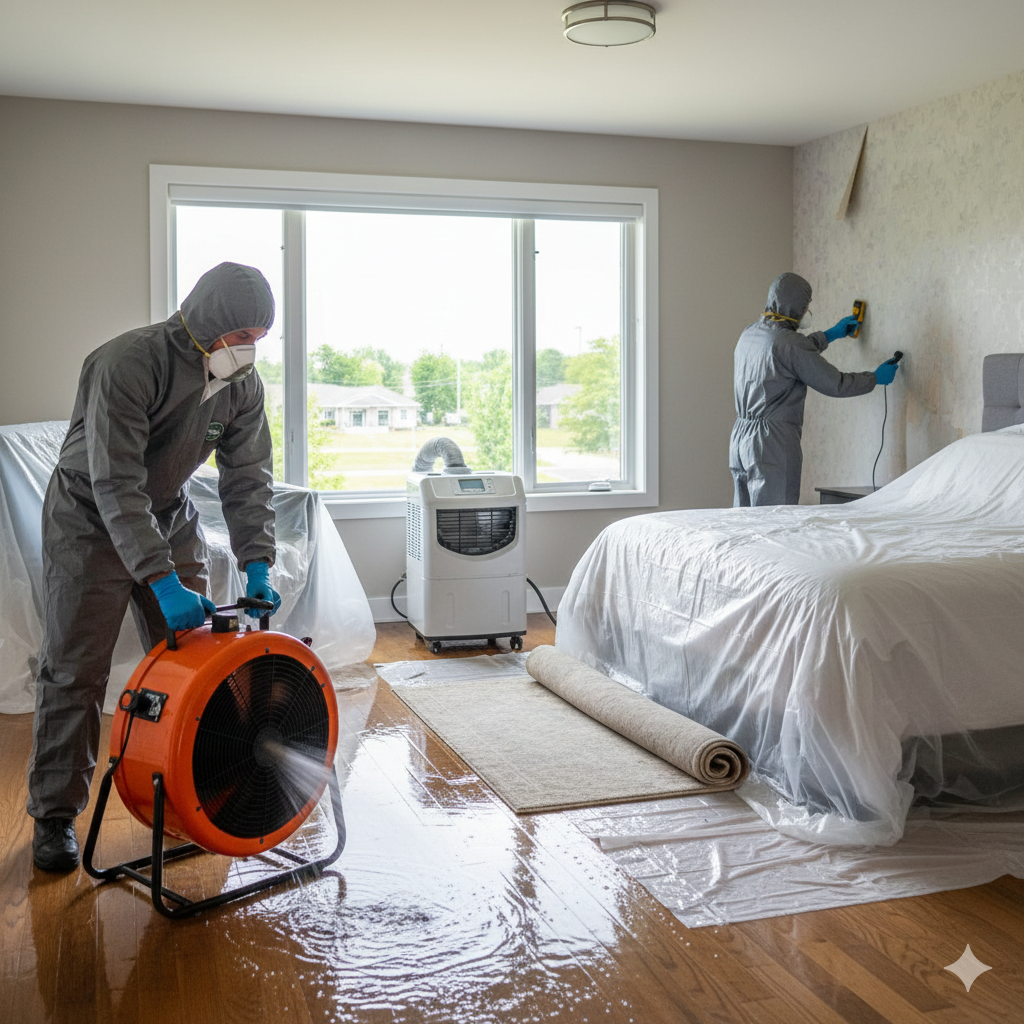
Bedrock Restoration’s Water Damage Process in Edina, MN

Imagine waking up to the sound of dripping water in your Edina home near France Avenue and Vernon Avenue, only to discover a burst pipe flooding your basement. In moments like these, Bedrock Restoration Edina water damage experts step in with their proven water damage restoration process, tailored for the unique challenges of Minnesota homes. As a family-owned business serving the Twin Cities, including neighborhoods like Edina’s White Oaks and Country Club, Bedrock Restoration combines rapid response, certified techniques, and local knowledge to restore your property swiftly and thoroughly.

This comprehensive guide dives deep into the exact water damage restoration process used by Bedrock Restoration in Edina, MN. Drawing from their industry-leading methods, we’ll walk you through each step, from emergency water extraction to complete structural drying and rebuilding. Whether your home near Centennial Lake Park has suffered from a heavy spring rain or a sewer backup, understanding this process empowers you to act fast and minimize long-term damage. Bedrock’s IICRC-certified technicians arrive within the hour, equipped with state-of-the-art tools to handle everything from flooded basements to storm-induced floods.

water damage restoration

Why Edina Homes Are Prone to Water Damage

Edina, MN, with its beautiful parks like Arden Park and proximity to major highways like I-494 and Highway 62, experiences unique water challenges. Heavy snowmelt from winter storms often overwhelms drainage systems near shopping centers such as Southdale Center, leading to basement flooding in neighborhoods like Morningside. Burst pipes from freezing temperatures are common in older homes around Edina High School, while summer thunderstorms can cause rapid flooding near Jerry’s Park. Bedrock Restoration understands these local risks intimately, as they’ve helped countless Edina residents near the Edina Country Club recover from such incidents.

Their process begins the moment you call their 24/7 line. Unlike generic services, Bedrock’s team assesses Minnesota-specific issues like clay-heavy soils that retain moisture around homes near Braemer Park. This local expertise ensures not just cleanup, but prevention of future problems, establishing them as the go-to authority for water damage restoration Edina MN comprehensive guide.

Step 1: Rapid Emergency Response and Assessment

The cornerstone of Bedrock Restoration’s water damage restoration process in Edina is their lightning-fast response time. Available 24/7, their certified technicians reach your property within one hour of your call, crucial because water damage expands rapidly. In Edina’s variable climate, where temperatures can plummet near Minnetonka Boulevard, delays mean mold growth and structural compromise.

Upon arrival, the team conducts a thorough inspection using advanced moisture detection tools and thermal imaging. They categorize the damage based on the water source: clean water from a pipe burst, gray water from appliances, or black water from sewage backups common after storms near 50th Street. This assessment identifies affected areas, including hidden moisture in walls and subfloors, preventing overlooked issues that could plague homes in Edina’s historic districts.

For example, in a recent case near Gallery 71 shopping area, Bedrock’s team discovered concealed water behind drywall in a basement, averting costly mold remediation. They document everything with photos and detailed reports, working directly with your insurance for seamless claims. This transparency builds trust and ensures you’re informed every step of the way.

Step 2: Water Extraction and Containment

Once assessed, Bedrock prioritizes aggressive water removal. Using powerful truck-mounted pumps and industrial wet vacuums, they extract standing water from floors, carpets, and furnishings. In Edina basements prone to flooding from nearby wetlands around Obert Lake, this step prevents further seepage into foundations.

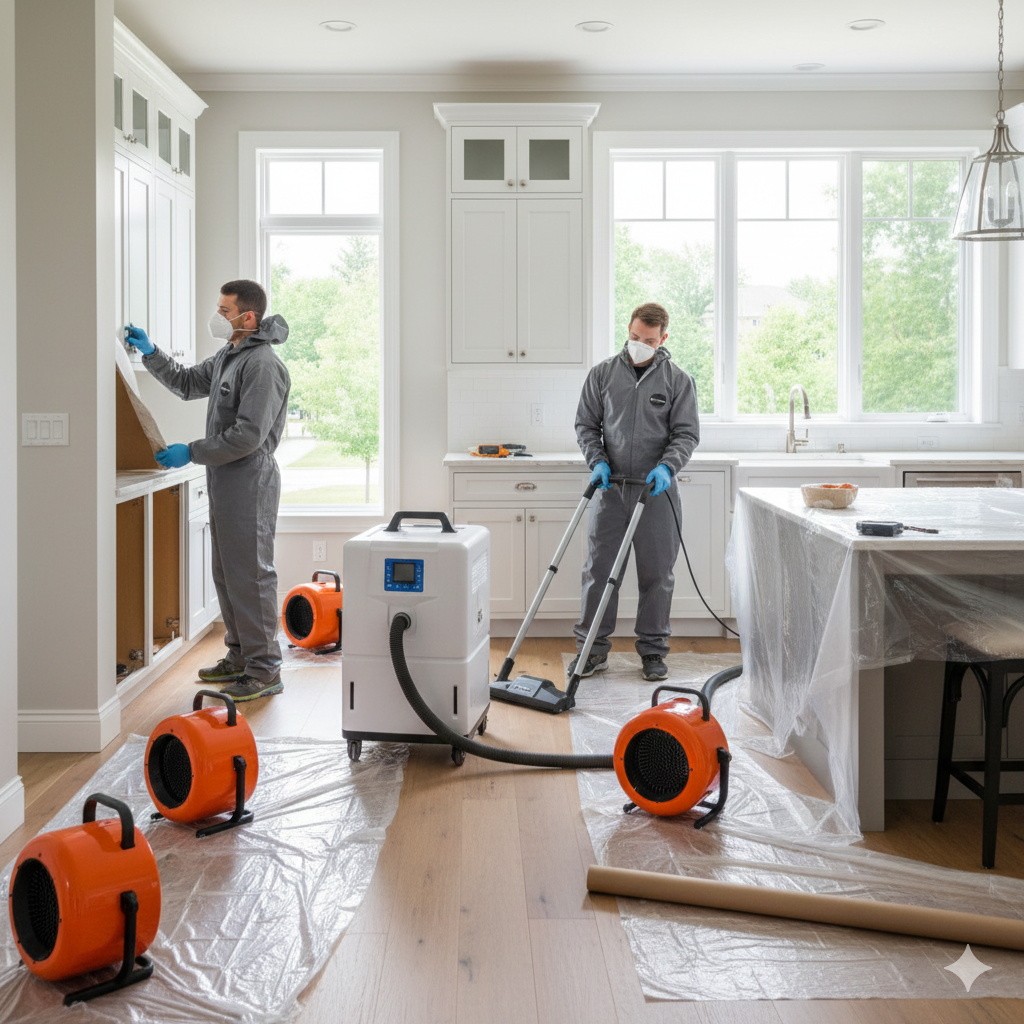
Containment is key; they set up barriers to isolate affected areas, protecting unaffected parts of your home. High-capacity extractors pull water from deep within carpets and padding, reducing drying time significantly. Bedrock’s equipment, including air movers and dehumidifiers, is state-of-the-art, ensuring efficiency even in large properties near Edina Realty headquarters.

This phase minimizes secondary damage like warping hardwood floors common in Edina’s upscale residences. Their technicians, trained in IICRC standards, wear protective gear to safely handle contaminated water, safeguarding your family’s health.

Step 3: Structural Drying and Dehumidification

Extraction alone isn’t enough; Bedrock’s process excels in complete drying. They deploy commercial-grade dehumidifiers and high-velocity air movers to circulate air and evaporate trapped moisture. Moisture meters monitor levels in walls, ceilings, and floors, ensuring everything reaches safe dryness below 15%.

In Edina’s humid summers, this is vital to prevent mold, which thrives in damp conditions post-flood near Purgatory Creek. Thermal imaging verifies no hidden pockets remain, a technique that saved a Country Club home from extensive rebuilds. The process typically takes 3-5 days, depending on severity, with daily checks to adjust equipment.

Bedrock goes further by removing saturated materials like drywall and insulation if needed, replacing them with moisture-resistant alternatives suited for Minnesota winters.

Step 4: Cleaning, Sanitizing, and Mold Prevention

With drying complete, the team cleans all surfaces using EPA-approved antimicrobials to kill bacteria and prevent mold. In black water scenarios from sewer overflows near France Avenue sewers, this is critical for health safety. They scrub debris, remove odors with specialized treatments, and apply sealants to vulnerable areas.

Bedrock’s proactive mold prevention includes inspections every corner, using HEPA vacuums for airborne spores. For Edina homes with crawl spaces near Windsor Park, they recommend encapsulation to block future humidity. This comprehensive sanitization restores air quality, essential for families with children attending nearby schools like Creek Valley Elementary.

Step 5: Restoration and Rebuilding

The final phase rebuilds your property to pre-loss condition. Bedrock’s licensed general contractors (MN License #BC787322) handle repairs, from painting to flooring installation. They source matching materials for seamless integration, whether refinishing cabinets in a flooded kitchen near Nine Mile Creek or reconstructing basement walls.

As a full-service provider, they coordinate with subcontractors for electrical and plumbing fixes, common after floods near Highway 100. In one Edina project near the Edina Art Center, they fully restored a storm-damaged family room in under a week, earning rave reviews for quality and speed.

Bedrock works with insurance throughout, providing detailed invoices to simplify claims. Their family-owned approach treats your home like their own, ensuring lasting results.

water damage restoration

Bedrock’s Unique Advantages in Edina

What sets Bedrock Restoration apart in Edina is their deep roots in the Twin Cities. Serving all seven counties, they understand local building codes and weather patterns affecting areas like Highland Village shopping. Their team-first culture emphasizes continuous training, with all technicians IICRC-certified in water mitigation.

Customers praise their compassionate service, transparent communication, and the Bedrock Guarantee: if issues arise post-restoration, they return at no extra cost. For basements near Edina’s lakes, they offer waterproofing add-ons to prevent recurrence.

Proven in countless jobs, from burst pipes in winter to flood cleanup after summer storms near I-35W interchanges, Bedrock delivers peace of mind. Their 24/7 availability means no matter the hour, Edina residents get immediate help.

Common Water Damage Scenarios in Edina and How Bedrock Handles Them

Burst pipes from freezing near 76th Street: Rapid extraction prevents foundation cracks. Basement floods from sump pump failure around Centennial Park: Full drying averts mold. Appliance overflows in kitchens near Southdale: Quick containment saves cabinets.

Storm flooding near Jerry’s Nursery: Comprehensive cleanup and dehumidification. Each scenario follows the same rigorous process, customized for Edina’s terrain and climate.

water damage restoration

Preventive Tips for Edina Homeowners

To avoid water damage, inspect basements seasonally near Purgatory Park, maintain gutters around Morningside homes, and install sump pumps for low-lying properties near lakes. Bedrock offers free inspections to identify risks early.

Frequently Asked Questions

What is the first step in Bedrock Restoration’s water damage process in Edina, MN?

The first step is a rapid emergency response with a full assessment. Bedrock’s certified technicians arrive within one hour, 24/7, to inspect the damage using thermal imaging and moisture meters. They categorize the water type—clean, gray, or black—and document everything for insurance. This quick action in Edina neighborhoods like White Oaks stops further spread, preventing mold and structural issues common after Minnesota storms near I-494. Their local knowledge ensures accurate evaluation of hidden moisture in basements prone to clay soil retention. Expect clear communication on the scope and a customized plan, setting the foundation for efficient restoration and minimizing costs for homeowners near Southdale Center.

How long does Bedrock’s water extraction take in Edina homes?

Water extraction typically completes within hours, depending on volume. Using truck-mounted pumps and powerful wet vacuums, Bedrock removes standing water from floors, carpets, and walls swiftly. In Edina basements flooded by sewer backups near France Avenue, they contain areas to protect upper levels. This phase is critical as water can cause warping in hardwood floors common in Country Club estates. Follow-up with containment barriers ensures no re-wicking occurs. Their advanced equipment, tailored for Twin Cities properties, reduces overall project time, allowing drying to begin immediately and preventing secondary damage like mold growth in humid conditions post-rain near Centennial Lake Park.

What drying methods does Bedrock use for Edina water damage?

Bedrock employs industrial dehumidifiers, high-velocity air movers, and precise moisture monitoring for thorough drying. They aim for under 15% moisture content in all materials, verified daily with meters and thermal cameras. In Edina’s variable climate, this combats lingering dampness behind walls in homes near Arden Park. For severe cases like storm floods near Highway 62, they remove saturated drywall. The process lasts 3-5 days, ensuring no hidden moisture leads to mold. This IICRC-compliant approach protects structural integrity, especially in older homes around Edina High School, restoring safety and habitability quickly.

Does Bedrock Restoration handle mold prevention in Edina?

Yes, mold prevention is integral. After drying, they apply EPA-approved antimicrobials to sanitize surfaces and kill spores. HEPA vacuums capture airborne contaminants, vital after black water incidents near Nine Mile Creek. Inspections cover every area, including crawl spaces in Windsor Park homes. For high-risk Edina properties, they recommend sealants and ventilation upgrades. This proactive step averts health hazards, ensuring families near Creek Valley Elementary breathe clean air. Bedrock’s expertise minimizes recurrence, backed by their guarantee for lasting results in Minnesota’s damp environment.

How does Bedrock work with insurance for Edina water damage claims?

Bedrock partners directly with insurers, providing detailed reports, photos, and invoices from assessment onward. Their MN licensed contractors (BC787322) streamline claims for burst pipes or floods in areas like Morningside. They guide Edina homeowners through coverage for sudden damages, excluding neglect. Transparent documentation reduces disputes, speeding payouts. In one Gallery 71 case, they handled full coordination, restoring a basement without out-of-pocket surprises. This service eases stress, letting you focus on recovery while they advocate for fair settlements.

What makes Bedrock’s process different for basement water damage in Edina?

For basements, Bedrock specializes in deep extraction and foundation checks, addressing clay soils and high water tables near Obert Lake. They use specialized pumps for sump overflows and treat for dirt buildup. Structural drying targets concrete porosity, preventing cracks. In Edina’s White Oaks, they’ve fixed leaks and waterproofed for permanence. This tailored approach goes beyond surface cleanup, including dehumidification for hidden areas under stairs. Their local experience with spring melts near Jerry’s Park ensures comprehensive, long-term solutions over quick fixes.

Is Bedrock available 24/7 for water emergencies in Edina, MN?

Absolutely, Bedrock offers round-the-clock service for Edina emergencies. From midnight pipe bursts near Minnetonka Boulevard to weekend storms by Purgatory Creek, their team responds within an hour. This availability is crucial as water damage worsens every minute. Certified techs bring full equipment, ready to extract and contain. Edina residents appreciate the no-wait policy, especially during unpredictable Minnesota weather affecting Highland Village. Their 24/7 hotline connects you to experts who diagnose over the phone for immediate guidance.

How much does water damage restoration cost with Bedrock in Edina?

Costs vary by damage extent, water category, and size, but early intervention keeps them low. Extraction and drying for a standard Edina basement might range based on square footage, with insurance covering most. Bedrock provides free estimates post-assessment, transparent with no hidden fees. Factors like mold remediation add steps, but their efficiency minimizes expenses. For homes near Southdale, they’ve saved thousands through rapid mitigation. They bill insurance directly, offering financing for deductibles, making restoration accessible for Country Club properties.

Can Bedrock restore flood damage from storms in Edina?

Yes, their flood restoration covers storm-induced water from heavy rains near I-35W. They remove standing water, dry structures, and sanitize comprehensively. Thermal imaging detects seepage in walls around Braemer Park homes. Following IICRC standards, they prevent long-term decay and mold. In recent Edina floods near 50th Street, they completed jobs in 3-7 days. Full rebuilding includes flooring and painting, restoring pre-flood condition with durable materials for local weather resilience.

What should Edina residents do before Bedrock arrives?

Stay safe: turn off electricity if safe, remove valuables, and avoid walking through water to prevent slips. Mop minor standing water, but don’t use household vacuums. Call Bedrock immediately for guidance. In Edina near France Avenue, document damage with photos for insurance. Avoid DIY drying, as it traps moisture. Their techs advise over phone, preparing for efficient on-site work and optimal outcomes in neighborhoods like Morningside.

Conclusion: Choose Bedrock for Unmatched Water Restoration in Edina

Bedrock Restoration’s meticulous water damage process—from rapid assessment to full rebuilding—delivers reliable results for Edina homes. With local expertise, certified pros, and a commitment to your peace of mind, they’re the trusted choice near Edina’s landmarks. Contact them today for any water emergency and experience restoration done right.

How Much Will Water Damage Restoration Will Cost?

You won’t know the full cost immediately—and that’s actually a protection, not a problem. The insurance company and restoration company work together to approve the scope of work, and pricing follows regulated industry standards using estimating software called Xactimate. This process ensures you’re never billed for work that wasn’t justified, documented, and approved.

Understanding how this system works helps you trust the process even when exact numbers aren’t available on day one.

Why You Won’t Know the Full Cost Immediately

Water damage pricing can’t be determined instantly because the full scope isn’t visible right away. But beyond that practical reality, a system exists specifically to protect you from arbitrary or inflated pricing.

The process is designed for fairness. Rather than restoration companies inventing prices, the industry uses standardized pricing databases that reflect fair market rates for every task, material, and labor hour.

Multiple parties verify the scope. Your insurance adjuster reviews what the restoration company proposes, ensuring the work is necessary and priced appropriately. This creates accountability.

Documentation drives everything. Every line item must be justified with evidence—moisture readings, photos, measurements. You won’t pay for anything that can’t be documented and explained.

Homeowners in Minneapolis, Eden Prairie, and St. Louis Park benefit from this system even though it takes time, because it prevents both underestimating (leading to incomplete work) and overestimating (leading to unnecessary costs).

How Restoration Pricing Actually Works

The pricing process follows a predictable sequence:

Step 1: Assessment and documentation. Technicians document all damage with photos, moisture readings, and detailed notes. This creates the factual foundation for pricing.

Step 2: Scope development. Based on documentation, the restoration company creates a detailed scope of work listing every task required—water extraction, equipment placement, material removal, drying time, repairs needed.

Step 3: Estimate creation. Using industry-standard software, the company generates an estimate with line-item pricing for each task. Every price comes from a database, not guesswork.

Step 4: Insurance review. Your adjuster reviews the estimate against the documentation. They may approve it as submitted, request clarification, or negotiate specific line items.

Step 5: Approval and work authorization. Once scope and pricing are agreed upon, work proceeds with clear expectations. If additional damage is discovered, a supplement process captures those costs with the same documentation and approval steps.

This collaborative process takes time but ensures everyone agrees on what’s being done and what it costs.

What Is Xactimate and Why Does It Matter

Xactimate is the industry-standard software used by most insurance companies and restoration contractors nationwide. Understanding it helps you see why pricing isn’t arbitrary:

Standardized pricing database. Xactimate contains prices for thousands of specific tasks—removing a square foot of drywall, running an air mover for a day, installing carpet padding. These prices are researched and updated regularly to reflect actual market rates.

Geographic adjustments. Prices adjust based on location. Labor and material costs in Minnetonka differ from costs in rural Minnesota. Xactimate accounts for these regional differences.

Line-item transparency. Every charge appears as a separate line item with quantity, unit price, and description. Nothing is hidden in vague categories.

Insurance companies use it too. When your adjuster reviews an estimate, they’re often using the same software. This creates a common language and reduces disputes.

Industry acceptance. Because Xactimate is standard, pricing doesn’t vary wildly between reputable companies. A legitimate restoration company in Edina should produce similar estimates to one in Bloomington for the same scope of work.

This standardization protects you from both overcharging and from companies that underbid then cut corners.

The Approval Process That Protects You

Multiple checkpoints exist before you owe anything:

Before mitigation begins: Emergency work starts immediately to prevent further damage, but even this is documented and priced according to standards. Insurance expects and covers reasonable mitigation costs.

Before major repairs begin: Reconstruction estimates require insurance approval before work starts. You’ll know what’s covered and what your responsibility is before committing.

When scope changes: If technicians discover additional damage during the project, they document it and submit a supplement request. Insurance reviews this addition before the work is billed.

Before final payment: You receive itemized invoices showing exactly what was done. Every charge traces back to documented work and approved scope.

Homeowners in Chanhassen, Plymouth, and throughout the Twin Cities can review documentation at any point and ask questions about any line item.

What You’ll See Before Paying Anything

Transparency should be standard throughout the process:

Initial assessment summary. A clear explanation of damage found, areas affected, and preliminary scope. This sets expectations even before detailed pricing.

Detailed estimate with line items. Every task listed separately with quantities and pricing. You can see exactly what you’re paying for—not just a lump sum.

Insurance communication. Updates on what insurance has approved, any items under discussion, and how your deductible applies.

Change documentation. If scope expands, written explanation of what changed and why, with corresponding estimate updates.

Final invoice matching approved scope. The bill should align with what was approved. No surprise charges for undiscussed work.

Ask questions if anything is unclear. Reputable companies explain their pricing because they have nothing to hide.

Red Flags in the Pricing Process

Watch for these warning signs that suggest problems:

  • Lump-sum quotes without line items: You can’t verify fair pricing without detail
  • Pressure to pay before insurance review: Standard process involves insurance coordination
  • Estimates that don’t use industry-standard software: May indicate inflated or arbitrary pricing
  • Unwillingness to explain charges: Every line item should be explainable
  • Charges for work not discussed or documented: You should recognize everything on the invoice
  • Dramatically different pricing than insurance approved: Legitimate supplements follow a process
  • Demands for large upfront payments: Some deposit may be reasonable, but most payment follows work completion

Questions to Ask About Pricing

Get comfortable with the process by asking:

  1. “Do you use Xactimate for estimates?” Industry-standard software indicates professional practices.
  2. “How does the insurance approval process work?” Look for clear explanation of collaboration with adjusters.
  3. “Will I see line-item pricing before work begins?” Transparency should be standard.
  4. “How do you handle additional damage discovered during the project?” Supplement processes should be explained clearly.
  5. “What happens if insurance doesn’t cover something?” Understanding potential gaps helps you plan.

The Bottom Line: A System Protects You

Industry standards ensure fair pricing:

  • Xactimate provides regulated, market-based rates
  • Line-item estimates show exactly what you’re paying for
  • Geographic adjustments reflect local costs

Approval processes prevent overcharging:

  • Insurance reviews scope and pricing
  • Documentation justifies every charge
  • Supplements require separate approval

Transparency is your right:

  • Ask questions about any line item
  • Request documentation supporting charges
  • Review estimates before authorizing work

You won’t know the exact cost on day one, but the system ensures you’ll understand and approve costs before you pay them.

Next Steps for Twin Cities Homeowners

If you’re facing water damage in Minneapolis, Wayzata, Savage, or anywhere in the metro area, trust the process even when immediate answers aren’t available.

Work with a restoration company that uses industry-standard pricing, communicates openly with your insurance company, and provides transparent documentation throughout. The right partner ensures you understand every dollar before it’s billed.


Why Can’t a Restoration Company Give Me a Quote Right Away?

Because too much is unknown before proper assessment. Asking for an exact quote before inspection is like asking a doctor how much knee surgery will cost before they’ve done x-rays. There’s critical information that can only be gathered through testing, time, and careful evaluation. Restoration companies need to discover what materials are wet, how far water traveled, and what can be saved versus what must be replaced.

This isn’t evasion—it’s honesty about how water damage actually works.

The Doctor Analogy: Diagnosis Before Treatment

The medical comparison is apt because water damage restoration follows a similar process:

Initial exam. The doctor looks at your knee, asks questions, and identifies obvious issues. A restoration technician walks through your home, notes visible damage, and takes preliminary moisture readings.

Testing and imaging. X-rays and MRIs reveal what’s happening inside—damage invisible to the naked eye. Moisture meters, thermal imaging, and inspection behind walls reveal how far water actually traveled.

Diagnosis develops over time. Sometimes the doctor discovers additional problems during treatment. Similarly, opening walls or lifting flooring sometimes reveals damage that wasn’t apparent initially.

Treatment plan adjusts accordingly. The final scope and cost become clear only after full assessment. Rushing to a price before understanding the problem leads to either underestimating (and surprise bills later) or overestimating (and unnecessary work).

Homeowners in Minneapolis, Eden Prairie, and St. Louis Park benefit from companies that take assessment seriously rather than guessing at prices.

What’s Unknown on Day One

When a restoration company first arrives, they can see some things but not others:

Visible on arrival:

  • Standing water on floors
  • Obvious wet carpet or flooring
  • Water stains on walls or ceilings
  • The general affected area

Hidden until testing:

  • How high moisture wicked up inside walls
  • Whether water reached adjacent rooms through hidden paths
  • Moisture levels in subfloor beneath flooring
  • Saturation depth in structural materials
  • Condition of insulation inside wall cavities

Unknown until drying begins:

  • Which materials can be dried in place versus removed
  • Whether hardwood floors will stabilize or require replacement
  • Total equipment needs and drying duration
  • Hidden mold or damage behind surfaces

Water is deceptive. A wet spot on your ceiling might trace back to a bathroom two rooms away. A damp baseboard might indicate saturation three feet up inside the wall. These discoveries happen through systematic assessment, not guesswork.

How the Discovery Process Works

Professional restoration companies follow a methodical approach to understand your damage:

Day one: Initial assessment. Technicians document visible damage, take preliminary moisture readings at multiple points, identify the water source, and categorize the water type (clean, gray, or contaminated). This provides enough information for a rough estimate range.

Days one through three: Detailed moisture mapping. Using specialized meters and thermal imaging, technicians map exactly where moisture exists throughout affected areas. This reveals the true scope—often larger than what’s visible.

During drying: Ongoing discovery. As equipment runs and materials dry, additional information emerges. Walls opened for airflow may reveal unexpected damage. Flooring behavior during drying indicates whether it’s salvageable. Moisture readings track progress and confirm when drying is complete.

After drying: Final scope confirmation. Only when everything is dry and exposed can accurate repair estimates be generated. Now technicians know exactly what needs replacing and can price accordingly.

Homeowners in Minnetonka, Edina, and Bloomington who understand this process have realistic expectations about estimate timing.

When You Can Expect Accurate Pricing

Different phases allow for different pricing accuracy:

Immediately (day one):

  • Rough ballpark range based on visible damage
  • General magnitude (minor, moderate, severe)
  • Not reliable for budgeting purposes

Within 24-48 hours:

  • Reasonably accurate mitigation estimate
  • Equipment needs and expected duration
  • Material removal scope

After drying completes (days 5-10):

  • Accurate repair and reconstruction estimates
  • Specific material and labor costs
  • Final project pricing

After insurance review:

  • Confirmed coverage amounts
  • Any gaps between estimate and approved scope
  • Final out-of-pocket expectations

Rushing this timeline produces unreliable numbers. A company quoting exact costs on day one is either guessing or planning to adjust later.

What Reputable Companies Tell You Upfront

Honest restoration companies communicate clearly about what they know and don’t know:

What they should tell you early:

  • Preliminary assessment of damage severity
  • Estimated range for mitigation costs
  • Expected timeline for drying
  • When more accurate pricing will be available
  • How they’ll communicate as scope develops

What they shouldn’t claim to know:

  • Exact final project cost before assessment
  • Precise repair pricing before drying completes
  • Guaranteed timelines before seeing full scope
  • Whether insurance will cover everything

Transparency about uncertainty is actually a sign of professionalism. Companies that acknowledge unknowns upfront are less likely to surprise you later.

Red Flags: Companies That Quote Immediately

Be cautious of companies that provide exact pricing too quickly:

  • Firm quotes before inspecting the property: Impossible without seeing the damage
  • Exact final costs on day one: No one can know this before assessment
  • “We’ll figure out the price later”: Vague promises lead to disputes
  • Dramatically lower quotes than competitors: May indicate corners being cut or change orders coming
  • Pressure to sign contracts before assessment completes: Protects them, not you
  • Unwillingness to explain their pricing process: Transparency should be standard

A company that seems to have all the answers immediately either has done this exact situation hundreds of times (unlikely, since every home differs) or is telling you what you want to hear rather than what’s true.

Homeowners in Chanhassen, Plymouth, and throughout the Twin Cities should value honest uncertainty over false confidence.

Questions to Ask About the Estimate Process

Get clarity on how pricing will develop:

  1. “What can you tell me today about likely costs?” Expect ranges, not exact figures.
  2. “When will I have a firm mitigation estimate?” Should be within 24-48 hours.
  3. “How will you communicate if scope changes?” Look for clear processes, not vague assurances.
  4. “When will accurate repair pricing be available?” After drying completes is the honest answer.
  5. “What factors might increase the final cost?” Honest companies discuss variables proactively.

The Bottom Line: Discovery Takes Time

Day one provides:

  • General damage assessment
  • Rough cost ranges
  • Understanding of scope magnitude

The following days reveal:

  • True extent of moisture spread
  • What’s salvageable versus replaceable
  • Accurate mitigation costs

After drying shows:

  • Complete repair requirements
  • Final material and labor pricing
  • Reliable project budgets

Patience pays off:

  • Accurate estimates prevent surprises
  • Proper assessment ensures complete restoration
  • Honest timelines build trust

Next Steps for Twin Cities Homeowners

If you’re dealing with water damage in Minneapolis, Wayzata, Savage, or anywhere in the metro area, expect the pricing process to unfold over days, not hours.

Work with a company that explains what they know, acknowledges what they don’t, and keeps you informed as the full picture develops. The right partner values accuracy over speed—because getting it right matters more than giving you a number you want to hear.


How Much Does Water Damage Restoration Cost?

Cost depends entirely on the extent of damage, materials affected, and how quickly mitigation begins. Equipment costs, labor, material removal, and eventual repairs all contribute to the final price. Reputable companies provide ballpark estimates early, but the complete picture develops over time as drying reveals the full scope of damage.

Understanding what drives costs helps you evaluate estimates and recognize fair pricing.

Why Water Damage Costs Vary So Widely

No two water damage situations are identical. A small leak caught immediately costs a fraction of a major flood discovered days later. Variables that create this range include:

Volume of water involved. A dishwasher leak affecting one room requires less equipment and labor than a burst pipe that flooded an entire basement.

Materials affected. Carpet and drywall are relatively straightforward. Hardwood flooring, custom cabinets, and specialty finishes increase complexity and cost significantly.

How quickly you respond. Water addressed within hours causes less damage than water sitting for days. Delayed response means more extensive drying, more material removal, and higher reconstruction costs.

Contamination level. Clean water from a supply line requires standard mitigation. Sewage backups or floodwater require additional safety protocols, protective equipment, and disposal procedures.

Home size and layout. A 1,500-square-foot rambler dries differently than a 4,000-square-foot multi-level home. More space means more equipment and longer timelines.

Homeowners in Minneapolis, Eden Prairie, and St. Louis Park receive estimates ranging from modest to substantial based on these variables.

Factors That Drive Mitigation Costs

The emergency drying phase has its own cost components:

Equipment rental and operation. Commercial air movers, dehumidifiers, and specialty drying systems cost money for every day they operate. More severe damage requires more equipment running for more days.

Labor for setup, monitoring, and adjustment. Technicians visit daily to take moisture readings, reposition equipment, and document progress. This skilled labor is part of the mitigation cost.

Material removal. Removing wet carpet padding, cutting out saturated drywall, and disposing of unsalvageable materials requires labor and disposal fees.

Antimicrobial treatments. Preventing mold growth requires applying treatments to affected materials—another line item in mitigation costs.

Documentation and testing. Proper moisture monitoring, photo documentation, and final clearance testing ensure the job is done right and support insurance claims.

Complex situations—like water affecting multiple floors or penetrating wall cavities extensively—require more of everything: more equipment, more monitoring, more removal, more time.

Factors That Drive Repair Costs

Once drying completes, reconstruction costs depend on what needs replacing:

Drywall and finishing. The amount of drywall removed during mitigation directly affects repair costs. Matching existing texture adds complexity.

Flooring type. Replacing carpet is straightforward. Replacing hardwood, tile, or specialty flooring costs more—especially when matching existing materials.

Cabinets and built-ins. Custom cabinets cost significantly more to replace than stock options. Built-in shelving and specialty millwork add to reconstruction budgets.

Paint and trim. Repainting affected areas and reinstalling trim seems minor but adds up, especially in larger spaces.

Structural repairs. If water damaged framing, subfloor, or other structural elements, repairs become more extensive and costly.

Homeowners in Minnetonka, Edina, and Bloomington with custom finishes or older homes requiring material matching typically see higher repair costs than those with standard construction.

Why Accurate Pricing Takes Time

Restoration companies can’t give precise final costs immediately, and here’s why that’s actually honest:

Water travels hidden paths. The visible damage on day one rarely represents the full scope. Moisture testing over several days reveals how far water actually spread.

Drying exposes hidden damage. Once walls open up and materials dry, additional problems sometimes appear—damage to framing, subfloor deterioration, or mold that wasn’t initially visible.

Material decisions happen during the process. Whether hardwood floors can be saved or must be replaced often isn’t clear until drying is attempted. Same with cabinets, drywall, and other materials.

Insurance involvement affects scope. What your policy covers influences decisions about repair approaches and material selections.

A company that quotes an exact final price before assessment is either guessing or planning to surprise you with change orders later.

What to Expect From the Estimate Process

Reputable restoration companies follow a predictable pricing timeline:

Initial assessment (day one): A ballpark range based on visible damage, affected area size, and preliminary moisture readings. This helps you understand magnitude but isn’t a final quote.

Mitigation estimate (days 1-2): More specific pricing for the emergency drying phase, including equipment needs and expected duration.

Ongoing updates (during drying): As the full scope becomes clear, the company updates estimates and communicates any changes.

Repair estimate (after drying completes): Once everything is dry and exposed, accurate reconstruction pricing is possible. This is when you’ll know full project costs.

Insurance coordination (throughout): Companies experienced with insurance communicate with adjusters, submit documentation, and help ensure approved amounts align with actual costs.

Homeowners in Chanhassen, Plymouth, and throughout the Twin Cities should expect this phased approach from professional restoration companies.

Red Flags in Restoration Pricing

Watch for these warning signs when evaluating estimates:

  • Exact final pricing before assessment: No one can know total costs before seeing the full damage
  • Dramatically lower estimates than competitors: May indicate cutting corners, hidden fees later, or inexperience
  • No written estimates: Verbal quotes leave you unprotected if costs balloon
  • Pressure to sign immediately: Legitimate companies allow reasonable time for decisions
  • Unwillingness to explain line items: You deserve to understand what you’re paying for
  • Estimates that don’t mention potential variables: Honest companies acknowledge unknowns upfront
  • No discussion of insurance process: Experienced companies address coverage questions early

Questions to Ask About Pricing

Get clear answers before work begins:

  1. “What’s your best estimate range for the mitigation phase?” This should be reasonably predictable after initial assessment.
  2. “How will you communicate if costs increase?” Professional companies have clear processes for scope changes.
  3. “When will I have accurate repair pricing?” Expect this after drying completes and full damage is visible.
  4. “How do you work with insurance on pricing?” Companies experienced with claims can explain this process clearly.
  5. “What factors might increase the final cost?” Honest companies discuss variables like hidden damage or material complications.

The Bottom Line: Pricing Develops Over Time

Early in the process:

  • Expect ballpark ranges, not exact quotes
  • Mitigation costs become clear within days
  • Variables remain until drying reveals full scope

After drying completes:

  • Accurate repair estimates are possible
  • Material selections finalize pricing
  • Insurance approval clarifies coverage

Throughout the project:

  • Communication should be proactive
  • Changes should be documented and explained
  • No surprises at final invoice

Next Steps for Twin Cities Homeowners

If you’re dealing with water damage in Minneapolis, Wayzata, Savage, or anywhere in the metro area, focus on stopping the damage first—pricing details develop as the project unfolds.

Work with a company that communicates transparently about costs, explains what drives pricing, and keeps you informed as the scope becomes clear. The right partner provides honest estimates early and avoids surprises at the end.


Should I Use the Same Company for Water Damage Mitigation and Repairs?

Yes—using one company for both mitigation and repairs is significantly easier. But there’s a catch: many restoration companies claim to do both, yet few are genuinely skilled at the repair and rebuild side. Before committing, look for a company with documented proof of high-quality reconstruction work and a track record of communicating effectively with insurance companies from start to finish.

The convenience of a single company only matters if that company delivers quality through both phases.

Why One Company Makes the Process Easier

Handling mitigation and repairs under one roof eliminates friction at every stage:

Single point of accountability. When problems arise, you’re not caught between two companies blaming each other. One team owns the outcome from emergency response through final walkthrough.

Seamless handoff between phases. The crew that dried your home understands exactly what happened and why. They communicate directly with the repair team rather than relying on written reports that miss context.

Consistent insurance documentation. One company produces unified documentation that tells a coherent story to your adjuster. No gaps, no conflicting information, no confusion about scope.

Simplified communication. You have one project manager, one phone number, one point of contact. Questions get answered faster when they don’t require coordination between separate companies.

Scheduling efficiency. The same company can schedule repairs to begin immediately after drying completes, without the delays of finding, vetting, and booking a separate contractor.

Homeowners in Minneapolis, Eden Prairie, and St. Louis Park who use full-service restoration companies consistently report less stress and faster project completion.

The Problem: Many Companies Claim Both, Few Excel at Both

Here’s the uncomfortable truth about the restoration industry:

Mitigation and construction require different skills. Emergency water extraction and structural drying demand technicians trained in psychrometry, moisture measurement, and rapid response. Quality reconstruction requires skilled carpenters, drywall finishers, painters, and flooring installers. These are fundamentally different trades.

Many mitigation companies subcontract repairs. They handle the emergency phase in-house, then hire subcontractors for reconstruction. You think you’re getting one company but actually deal with multiple crews with varying quality standards.

Some prioritize speed over craftsmanship. Companies focused on volume push repairs through quickly rather than ensuring quality finishing work. You live with the results long after they’ve moved on.

Repair quality is harder to evaluate. Drying either works or it doesn’t—mold appears or it doesn’t. But repair quality shows in details: drywall seams, paint edges, flooring transitions, trim work. These details require genuine craftsmanship.

The result is that homeowners often receive excellent mitigation followed by mediocre repairs—or worse, discover their “full-service” company scrambling to find subcontractors for the rebuild phase.

What to Look for in a Full-Service Restoration Company

Verify these capabilities before assuming a company handles both phases well:

General contractor licensing. In Minnesota, repair work requires a valid general contractor license. Confirm the company holds this license themselves—not through a subcontractor relationship.

Portfolio of completed rebuilds. Ask to see before-and-after photos of actual reconstruction projects. Quality companies document their work and share it proudly.

In-house repair crews. Ask directly whether their repair technicians are employees or subcontractors. In-house teams typically deliver more consistent quality and accountability.

Positive reviews mentioning repairs specifically. Online reviews that praise the “whole process” or mention quality reconstruction indicate genuine full-service capability. Reviews only mentioning emergency response suggest that’s where their strength ends.

Insurance company relationships. Companies that regularly work with adjusters through complete projects understand documentation requirements and communicate effectively throughout claims.

Homeowners in Minnetonka, Edina, and Bloomington should evaluate repair capabilities as carefully as emergency response capabilities when choosing a restoration partner.

Questions to Ask Before Committing

Get clear answers to these questions before signing any contract:

“Do you handle repairs with your own employees or subcontractors?” Neither answer is automatically wrong, but you deserve to know who’s actually doing the work.

“Can I see photos of completed repair projects?” Hesitation or excuses here is a red flag. Quality work gets documented.

“What’s your Minnesota contractor license number?” Verify it’s active and in good standing through the state licensing board.

“Who will be my point of contact during repairs?” You should have a dedicated project manager, not just whoever answers the phone.

“How do you handle change orders or unexpected issues during reconstruction?” Professional companies have clear processes for scope changes and communicate proactively.

“Can you provide references from recent full-project clients?” Speaking with homeowners who experienced both phases reveals the complete picture.

Red Flags That Suggest Weak Repair Capabilities

Watch for these warning signs:

  • No photos of reconstruction work on their website or marketing materials
  • Reviews that only mention emergency response without discussing repairs
  • Vague answers about who performs repair work
  • No general contractor license or unwillingness to provide the number
  • Pressure to sign repair contracts before mitigation is complete
  • Dramatically lower repair estimates than other licensed contractors (suggests cutting corners)
  • Different company name or branding for the repair phase
  • No dedicated project manager for reconstruction

These signs suggest a company strong at mitigation but improvising on repairs.

How Insurance Benefits From Single-Company Projects

Using one company helps your insurance claim as well:

Unified documentation. Adjusters receive consistent information from one source rather than reconciling reports from multiple contractors.

Clear accountability. When questions arise about scope or necessity, one company can explain decisions made throughout the project.

Smoother supplement process. If additional damage is discovered during repairs, a single company can document and communicate supplements more efficiently.

Reduced disputes. Claims with multiple contractors sometimes face finger-pointing about responsibility. Single-company projects eliminate this confusion.

Insurance companies in Chanhassen, Plymouth, and throughout the Twin Cities process single-contractor claims more efficiently because the paperwork tells one coherent story.

The Bottom Line: Verify Before You Trust

One company is easier—if they’re genuinely qualified for both phases:

  • Confirm general contractor licensing for repairs
  • Request proof of quality reconstruction work
  • Ask whether repairs are in-house or subcontracted
  • Look for reviews mentioning the complete process

Don’t assume “full-service” means quality at both:

  • Many companies excel at mitigation but struggle with repairs
  • Subcontracted work varies in quality and accountability
  • The rebuild phase is where craftsmanship matters most

The right partner delivers:

  • Seamless transition from drying to repairs
  • Consistent communication throughout
  • Quality finishing work you’ll live with for years
  • Unified insurance documentation from start to finish

Next Steps for Twin Cities Homeowners

If you’re facing water damage in Minneapolis, Wayzata, Savage, or anywhere in the metro area, ask tough questions before choosing a restoration company.

Look for a team with proven reconstruction quality, in-house repair capabilities, and a track record of guiding homeowners through complete projects—from emergency response through final walkthrough. The convenience of one company only pays off when that company delivers excellence at every phase.


Will My Home Will Be Demolished During Water Damage Restoration?

No—and it shouldn’t. Professional restoration aims for minimal, targeted removal, opening only the areas necessary to let air reach wet materials. The goal is always to save as much as possible while ensuring complete drying. Your home should not look like a demolition site after proper water damage mitigation.

Understanding what removal is appropriate helps you recognize quality work and avoid contractors who tear out more than necessary.

The “Open to Dry” Approach

Modern water damage restoration follows a principle called “open to dry.” Rather than removing everything that got wet, technicians create strategic openings that allow airflow into wall cavities and under flooring.

How it works:

  • Removing baseboards to expose the bottom of wall cavities
  • Cutting drywall at a specific height (often 12-24 inches) rather than floor to ceiling
  • Drilling small holes to allow air movement without removing entire walls
  • Pulling back carpet to remove wet padding while saving the carpet itself
  • Using specialty drying systems that inject air into enclosed spaces

This approach dries structural materials effectively while preserving everything that can be saved. It’s faster, less expensive, and less disruptive than wholesale demolition.

Homeowners in Minneapolis, Eden Prairie, and St. Louis Park are often relieved to learn that targeted removal—not gutting rooms—is the professional standard.

What Typically Gets Removed vs. Saved

Every water damage situation differs, but here’s what usually happens:

Almost always removed:

  • Wet carpet padding (it’s inexpensive, holds enormous water volume, and dries poorly)
  • Wet insulation inside wall cavities (loses effectiveness and harbors mold)
  • Saturated particleboard or pressed wood materials (disintegrates when wet)
  • Any material contaminated by sewage or Category 3 water

Often saved with proper drying:

  • Carpet (if addressed quickly and padding is replaced)
  • Drywall (if caught early and dried properly from both sides)
  • Hardwood flooring (requires specialized technique but often salvageable)
  • Cabinets (solid wood dries well; particleboard is harder to save)
  • Structural framing (almost always dried in place, rarely removed)

Depends on situation:

  • Drywall with extended water exposure or visible mold
  • Laminate and engineered flooring (varies by product and exposure time)
  • Trim and baseboards (often removed for access, sometimes reinstalled)

The key factor is timing. Materials addressed within 24-48 hours have much higher salvage rates than those left wet for days.

Why Less Demolition Is Usually Better

Removing less material benefits you in multiple ways:

Lower repair costs. Every piece of drywall removed must be replaced. Every cabinet demolished needs rebuilding. Targeted removal means less reconstruction expense.

Faster overall timeline. Less demolition means less rebuilding. A job requiring minimal drywall replacement finishes weeks sooner than one requiring whole-room reconstruction.

Less disruption to your life. Living around a small section of removed drywall is manageable. Living in a gutted home for weeks is not.

Reduced insurance disputes. Adjusters question unnecessary removal. Claims documenting why specific materials required demolition process more smoothly than claims for wholesale tear-out.

Environmental responsibility. Construction waste fills landfills. Saving salvageable materials reduces environmental impact.

Homeowners in Minnetonka, Edina, and Bloomington working with professional restoration companies typically see far less demolition than they initially feared.

How Professionals Decide What to Remove

Trained technicians use specific criteria and tools to determine what stays and what goes:

Moisture readings. Meters measure moisture content in drywall, wood, and other materials. Materials within acceptable ranges can dry in place. Materials beyond saturation thresholds may require removal.

Contamination level. Water is categorized by cleanliness. Clean water from supply lines allows more salvage options. Sewage or floodwater requires removing porous materials that contacted contamination.

Material type. Solid wood dries effectively. Particleboard and MDF absorb water and often can’t be saved. Technicians know which materials respond to drying and which don’t.

Time elapsed. Drywall wet for two hours has different prospects than drywall wet for two days. Quick response expands salvage options significantly.

Structural access needs. Sometimes materials are removed not because they’re ruined, but because removing them allows faster, more complete drying of structural elements behind them.

Cost-benefit analysis. Occasionally, removing and replacing a material costs less than the extended drying time required to save it. Good technicians weigh these tradeoffs honestly.

Red Flags: Unnecessary Demolition

Watch for these warning signs that a contractor may be removing more than necessary:

  • “We remove everything to be safe” without assessment or moisture readings
  • Full-height drywall removal when water only affected the lower portion
  • Removing materials before attempting to dry them
  • No explanation for why specific materials need removal
  • Identical removal approach regardless of damage severity
  • Pressure to decide immediately without time to ask questions
  • Significantly more demolition than other estimates suggested

Some contractors prefer demolition because it’s faster and simpler than proper drying technique. Others inflate project scope to increase billing. Neither approach serves your interests.

Homeowners in Chanhassen, Plymouth, and throughout the Twin Cities should ask technicians to explain every removal decision. Reputable companies welcome these questions.

What to Expect Your Home to Look Like During Drying

Even minimal demolition changes your home’s appearance temporarily. Here’s what’s normal:

Lower portions of walls exposed. A “flood cut” removing the bottom 12-24 inches of drywall is standard practice for wall cavity drying. You’ll see exposed studs and potentially insulation removal.

Carpet pulled back or removed. Padding underneath almost always goes. Carpet may be folded back during drying, then re-installed, or removed if unsalvageable.

Baseboards and trim stacked elsewhere. These are often removed for access and reinstalled after repairs. Having them set aside is normal.

Equipment everywhere. Air movers, dehumidifiers, and ducting temporarily fill affected rooms. This looks chaotic but serves a purpose.

Some rooms roped off or inaccessible. Maintaining drying conditions sometimes requires limiting access to affected areas.

Your home will look disrupted during the drying phase. But “disrupted” is very different from “demolished.” A few days of controlled chaos prevents months of reconstruction.

The Bottom Line: Targeted, Not Total

Expect minimal, strategic removal:

  • Baseboards and lower drywall sections
  • Carpet padding (carpet often saved)
  • Wet insulation inside cavities
  • Only materials that can’t be dried effectively

Question extensive demolition:

  • Ask why each removal is necessary
  • Request moisture readings showing material condition
  • Get explanations for scope decisions

Remember the goal:

  • Dry the structure completely
  • Save everything salvageable
  • Minimize disruption and cost
  • Prevent mold and long-term damage

Next Steps for Twin Cities Homeowners

If you’re facing water damage in Minneapolis, Wayzata, Savage, or anywhere in the metro area, don’t assume your home needs gutting. Professional restoration preserves far more than most homeowners expect.

Work with a company that explains their approach, shows you moisture readings, and justifies every removal decision. The right team saves everything possible while ensuring your home dries completely and safely.


Can Any Handyman or Contractor Do Water Damage Restoration?

No. Restoration—especially the drying phase—is a science, not just construction. Knowing what materials to remove, what can dry in place, how to prevent mold growth, and how to avoid structural damage requires specialized training and experience that most general contractors and handymen simply don’t have.

A skilled carpenter can rebuild your walls beautifully. But if those walls weren’t dried properly first, you’ll have mold growing inside them within weeks.

Why Restoration Isn’t Just Construction

Water damage restoration looks like construction work from the outside. Crews remove drywall, pull up flooring, and eventually rebuild what was damaged. But the critical work happens before any rebuilding begins.

Restoration requires understanding water behavior. Water travels unpredictably—wicking upward through drywall, running along pipes, pooling in hidden cavities. Trained technicians know how to trace water paths and identify all affected areas, not just obvious wet spots.

Drying requires precise environmental control. Proper structural drying manipulates temperature, humidity, and airflow simultaneously. It’s not about pointing fans at wet areas—it’s about creating conditions that pull moisture from deep inside materials.

Material decisions have lasting consequences. Some wet materials can be dried in place. Others must be removed immediately. Making the wrong call means either unnecessary demolition costs or hidden moisture that causes mold and rot.

Homeowners in Minneapolis, Eden Prairie, and St. Louis Park who hire unqualified contractors often discover these mistakes months later when mold appears or floors buckle.

The Science Behind Proper Drying

Professional restoration technicians study psychrometry—the science of air, moisture, and drying. This isn’t intuitive knowledge; it’s technical training that covers:

Moisture measurement. Different materials hold moisture differently. Drywall, wood framing, concrete, and carpet each require specific measurement techniques and have different acceptable moisture thresholds.

Drying equipment selection. Commercial air movers, desiccant dehumidifiers, refrigerant dehumidifiers, and specialty systems like injectidry all serve different purposes. Choosing wrong equipment extends drying time or fails to dry hidden areas.

Drying goals and calculations. Technicians calculate how much moisture needs to be removed and how long it should take based on the specific materials, square footage, and conditions. They adjust equipment daily based on readings.

When to remove vs. dry in place. Wet drywall can sometimes be saved if caught early; other times it must go. Hardwood floors might be salvageable with proper technique or ruined by improper drying. These decisions require training and experience.

A handyman might own a shop vac and box fan. That’s not the same as understanding grain depression in hardwood, calculating grains per pound of air, or recognizing when wall cavities need direct airflow injection.

What Specialized Training Covers

Certified restoration technicians complete coursework covering:

  • Water damage restoration principles and practices
  • Structural drying techniques and equipment operation
  • Mold prevention and remediation protocols
  • Health and safety requirements for contaminated water
  • Documentation standards for insurance claims
  • Building science and construction materials behavior

This training takes weeks of classroom and hands-on instruction, followed by examinations. Experienced technicians add years of field work applying these principles across hundreds of different situations.

Homeowners in Minnetonka, Edina, and Bloomington benefit from this expertise because trained professionals have seen situations like theirs before and know what works.

Certifications That Matter

When evaluating restoration companies, look for these credentials:

IICRC Certification. The Institute of Inspection, Cleaning and Restoration Certification sets industry standards. Key certifications include:

  • WRT (Water Damage Restoration Technician)
  • ASD (Applied Structural Drying)
  • AMRT (Applied Microbial Remediation Technician)

State licensing. Minnesota requires general contractor licenses for restoration work involving structural repairs. Verify the company holds a valid MN contractor license.

Insurance and bonding. Proper liability insurance and bonding protect you if something goes wrong during the project.

Manufacturer certifications. Training from equipment manufacturers indicates investment in proper technique and technology.

Ask any company you’re considering what certifications their technicians hold. Reputable companies answer this question proudly.

What Can Go Wrong With Untrained Work

Hiring unqualified contractors for water damage creates specific risks:

Incomplete drying. Without moisture meters and proper monitoring, contractors guess when materials are dry. Guessing wrong means sealing moisture inside your walls—creating perfect conditions for mold growth.

Unnecessary demolition. Untrained workers often remove everything “just to be safe,” destroying salvageable materials and increasing your costs. Trained technicians know what can be saved.

Missed affected areas. Water travels hidden paths. Without understanding water behavior and using detection equipment, contractors miss moisture in adjacent rooms, behind cabinets, or under flooring.

Mold growth. The most common consequence of improper restoration. Mold appears weeks or months later in walls that felt dry but weren’t. Remediation costs far exceed what proper initial drying would have cost.

Insurance claim problems. Adjusters recognize professional documentation. Work performed without proper moisture readings, daily monitoring logs, and photographic evidence may face claim disputes.

Structural damage. Wood framing that stays wet too long weakens. Subfloors warp. Problems that could have been prevented become expensive structural repairs.

Homeowners in Chanhassen, Plymouth, and throughout the Twin Cities who choose contractors based solely on price often pay twice—once for the inadequate initial work and again to fix the resulting problems.

Red Flags When Evaluating Contractors

Watch for these warning signs that suggest inadequate training:

  • No moisture meters or monitoring equipment
  • Cannot explain their drying process or goals
  • No certifications or unwillingness to provide proof
  • Wanting to start repairs before confirming dryness
  • Significantly lower prices than certified restoration companies
  • No documentation or daily progress reports
  • “We’ll just tear it all out” without assessment
  • No experience specifically with water damage (only general construction)

The Bottom Line: Specialized Work Requires Specialists

Restoration technicians are trained in:

  • Water behavior and damage assessment
  • Psychrometry and structural drying science
  • Mold prevention protocols
  • Insurance documentation requirements

General contractors and handymen typically lack:

  • Drying equipment and monitoring tools
  • Training in moisture measurement and drying calculations
  • Experience identifying hidden water damage
  • Understanding of when to remove vs. salvage materials

The repair phase of restoration overlaps with general construction. The critical drying phase does not. Getting drying wrong undermines everything that follows.

Next Steps for Twin Cities Homeowners

If you’re facing water damage in Minneapolis, Wayzata, Savage, or anywhere in the metro area, verify credentials before hiring any company.

Ask about IICRC certifications, request proof of contractor licensing, and choose a company that explains their drying process clearly. The right restoration professional combines construction skills with the specialized science that prevents long-term problems.


How Long Does Water Damage Restoration Take? A Realistic Timeline

Drying typically takes 3-7 days depending on damage severity. Repairs begin after drying completes and insurance approves the scope, with timelines varying based on material availability, approval speed, and how extensive the damage is. A minor leak might resolve in two weeks total. A major flood affecting multiple rooms could take two months or longer.

Understanding what drives these timelines helps you plan accordingly and recognize when a company is being honest versus overpromising.

The Two-Phase Timeline: Drying Then Repairs

Water damage restoration happens in two distinct phases, each with its own timeline:

Phase 1: Mitigation and Drying (3-7 days)

This emergency phase begins immediately and includes water extraction, equipment setup, and active drying. Technicians monitor moisture levels daily and adjust equipment until readings confirm the structure is dry.

Phase 2: Restoration and Repairs (1-4+ weeks)

Once drying is verified, rebuilding begins. This phase includes replacing drywall, flooring, cabinets, and finishing work like painting and trim. Timeline depends heavily on scope and material availability.

The gap between phases (1-3 weeks)

Insurance approval, estimate preparation, material ordering, and scheduling create a natural pause between drying and repairs. This isn’t wasted time—it ensures everyone agrees on scope before work begins.

Homeowners in Minneapolis, Eden Prairie, and St. Louis Park often find the total process takes longer than expected, but each step exists for good reason.

What Affects Drying Time

Several factors determine whether your home dries in three days or seven:

Amount of water involved. A small appliance leak dries faster than a basement with six inches of standing water. More water means more moisture absorbed into materials.

Materials affected. Carpet and drywall dry relatively quickly. Hardwood floors, plaster walls, and concrete take significantly longer. Homes with multiple material types require balancing different drying rates.

How quickly mitigation began. Water that sat for 48 hours before extraction penetrates deeper than water addressed within hours. Delayed response extends drying time.

Home construction and layout. Finished basements, interior bathrooms without windows, and homes with limited airflow require more equipment and more time. Older homes in Minnetonka and Edina with plaster walls often dry slower than newer construction.

Weather and humidity. Minnesota summers with high humidity slow drying. Winter’s dry air can help, though frozen pipes create their own complications.

Equipment quantity and placement. More severe damage requires more air movers and dehumidifiers, strategically positioned and adjusted throughout the drying process.

What Affects Repair Timeline

Once drying completes, repair speed depends on different factors:

Scope of damage. Replacing drywall in one room takes days. Rebuilding an entire basement takes weeks. The amount of work directly drives the timeline.

Insurance approval process. Before major repairs begin, insurance typically reviews and approves the restoration estimate. This can take days or weeks depending on your insurer and claim complexity.

Material availability. Standard drywall and carpet are readily available. Matching existing hardwood, custom cabinets, or specialty tile may require ordering and waiting. Supply chain delays can extend timelines unpredictably.

Contractor scheduling. Restoration companies manage multiple projects. Your repair phase is scheduled based on crew availability and workflow. Peak seasons after storms may create longer waits.

Permit requirements. Some repairs require building permits and inspections, adding administrative time to the process.

Homeowners in Bloomington, Chanhassen, and Plymouth with custom finishes or specialty materials should expect longer timelines than those with standard construction.

Sample Timelines by Damage Severity

Every situation differs, but these examples illustrate typical ranges:

Minor damage (small leak, one room, caught quickly):

  • Drying: 3-4 days
  • Insurance/scheduling gap: 1 week
  • Repairs: 3-5 days
  • Total: 2-3 weeks

Moderate damage (appliance failure, multiple rooms, some drywall removal):

  • Drying: 4-5 days
  • Insurance/scheduling gap: 1-2 weeks
  • Repairs: 1-2 weeks
  • Total: 4-6 weeks

Severe damage (major flood, basement or multiple floors, extensive removal):

  • Drying: 5-7 days
  • Insurance/scheduling gap: 2-3 weeks
  • Repairs: 3-6 weeks
  • Total: 6-10 weeks

Catastrophic damage (whole-home impact, structural concerns):

  • Timeline varies dramatically—potentially 3-6 months for complete restoration

These ranges assume reasonably prompt insurance response and material availability. Complications extend any timeline.

Why Rushing the Process Backfires

Pressure to “just get it done” is understandable but counterproductive:

Rushing drying causes mold. Installing new drywall before studs fully dry traps moisture inside walls. Mold appears within weeks, requiring tear-out and starting over. A few extra days of drying prevents months of additional problems.

Rushing repairs shows in quality. Drywall finishing, painting, and flooring installation require proper technique and drying time between coats. Rushed work looks rushed—and you’ll live with visible defects.

Skipping insurance approval creates payment problems. Starting major repairs before approval risks discovering insurance won’t cover the work as completed. Patience during the approval process protects your finances.

Cutting corners on materials disappoints long-term. Quick-ship replacements may not match your existing finishes. Waiting for proper materials ensures your home looks right when complete.

Red Flags: Unrealistic Timeline Promises

Be cautious of companies that promise suspiciously fast timelines:

  • “We’ll have you back to normal in 48 hours” for anything beyond a tiny leak
  • Removing drying equipment before moisture readings confirm dryness
  • Starting repairs the same day as water extraction
  • Guaranteeing completion dates before seeing the damage
  • Pressure to skip insurance involvement to “speed things up”

Honest companies explain realistic timelines upfront and keep you informed as the process unfolds. They’d rather set accurate expectations than overpromise and underdeliver.

The Bottom Line: Realistic Expectations

Drying phase: 3-7 days

  • Cannot be rushed without risking mold
  • Daily monitoring confirms progress
  • Complete when moisture readings verify dryness

Repair phase: 1-6+ weeks

  • Begins after drying and insurance approval
  • Timeline scales with damage scope
  • Material availability affects scheduling

Communication throughout:

  • Expect regular updates on progress
  • Ask questions when timelines shift
  • A good company explains delays honestly

Next Steps for Twin Cities Homeowners

If you’re dealing with water damage in Minneapolis, Wayzata, Savage, or anywhere in the metro area, ask your restoration company for a realistic timeline estimate based on your specific situation.

Work with a company that communicates proactively throughout the process, explaining what’s happening at each phase and why. The right partner keeps you informed from emergency response through final repairs—no surprises, no false promises.


How to Find the Source of Water Damage in Your Home: A Step-by-Step Guide

The most reliable method is to follow the water trail back to its origin. Start where you see the most moisture and work backward, checking nearby appliances, plumbing connections, walls, and ceilings along the way. Some sources are immediately obvious, while others hide behind drywall or under flooring and require specialized detection equipment to locate.

Finding the source quickly is critical because water damage spreads fast, and the longer a leak continues, the more extensive the repairs become.

Start With the Obvious: Check Nearby Appliances and Fixtures

Before assuming the worst, inspect the most common culprits within ten feet of where you found water:

  • Washing machines: Check supply hoses for cracks, bulges, or loose connections
  • Dishwashers: Look under and behind the unit for pooling water or corroded fittings
  • Water heaters: Inspect the base, pressure relief valve, and inlet/outlet connections
  • Refrigerators with ice makers: Examine the water supply line running to the back
  • Toilets: Check the base for seepage, the supply line, and inside the tank
  • Sinks: Look under cabinets for drips from supply lines, drain pipes, or garbage disposals

Run each appliance and watch for active dripping. Sometimes leaks only appear when the fixture is in use.

Follow the Water Trail: Reading the Clues

Water follows gravity, but it also travels along unexpected paths. Understanding how water moves helps you trace it to its source.

Key principles:

  • Water always flows downhill, but it can travel horizontally along pipes, joists, or other surfaces before dropping
  • The wet spot you see may be far from the actual leak location
  • Stains often appear darker at the edges where water evaporates slowest
  • Fresh water is clear; older leaks leave brownish or yellowish discoloration

Tracking technique: Place your hand on the wet area and feel which direction is wettest. Move toward increasing moisture until you find the origin point or hit a wall.

Common Hidden Water Sources by Room

Different areas of your home have different likely culprits. Here’s where to look based on where you found the water:

Basement water in Minneapolis-area homes:

  • Foundation cracks allowing groundwater seepage
  • Failed sump pump or overwhelmed drainage system
  • Condensation on cold water pipes during humid summers
  • Water heater failures (common location for this appliance)

Ceiling stains or drips:

  • Bathroom directly above (toilet seal, shower pan, supply lines)
  • Roof leak traveling along rafters before dripping down
  • HVAC condensate line clogs or overflows
  • Ice dams during Minnesota winters forcing water under shingles

Kitchen water damage:

  • Dishwasher door seals or drain hose failures
  • Garbage disposal connections
  • Supply lines under the sink
  • Refrigerator ice maker lines (often hidden behind the unit)

Signs the Water Source Is Behind Walls or Ceilings

Some leaks never show themselves directly. Watch for these indicators that water is traveling inside your walls:

  • Bubbling or peeling paint: Moisture trapped behind the surface pushes paint away
  • Soft or warped drywall: Gently press on walls near water stains; sponginess indicates saturation
  • Musty odors without visible mold: Hidden moisture creates conditions for mold growth you can smell but not see
  • Unexplained increase in water bills: A sudden spike often means water is running continuously somewhere
  • Sound of running water when nothing is on: Listen carefully near walls, especially at night when the house is quiet

Homeowners in Edina, Eden Prairie, and St. Louis Park with older plumbing should be especially vigilant for these warning signs.

When DIY Detection Isn’t Enough

Some water sources simply cannot be found without professional equipment:

Thermal imaging cameras detect temperature differences behind walls, revealing wet insulation or hidden moisture that’s invisible to the eye.

Moisture meters measure saturation levels in building materials, helping technicians map exactly how far water has traveled.

Acoustic detection equipment pinpoints leaks in pressurized pipes by amplifying the sound of escaping water.

Borescope cameras allow visual inspection inside wall cavities through small holes, confirming suspected leak locations before opening walls.

If you’ve checked all visible sources and the water keeps appearing, professional detection saves time and prevents unnecessary demolition.

Red Flags That Indicate a Serious Hidden Leak

Call for professional help immediately if you notice:

  • Water appearing in multiple rooms simultaneously: Suggests a main supply line issue
  • Water stains that grow larger daily: The leak is active and ongoing
  • Wet carpet or flooring far from any fixture: Indicates water traveling under your subfloor
  • Mold growth accompanying the moisture: The leak has existed long enough for biological growth
  • Water pressure dropping throughout your home: Points to a significant pipe failure
  • Sewer smell accompanying the water: May indicate drain line backup rather than supply leak

These situations typically require immediate mitigation to prevent structural damage and health hazards.

Why Finding the Source Fast Matters

Every hour water continues flowing, damage expands:

  • Within 24 hours: Drywall begins absorbing moisture, furniture and belongings start swelling
  • Within 48 hours: Mold spores can begin colonizing damp materials
  • Within one week: Structural materials weaken, and remediation costs increase significantly

For homeowners in Minnetonka, Chanhassen, Bloomington, and throughout the Twin Cities, Minnesota’s humidity levels during summer months accelerate mold growth once moisture is present.

The Bottom Line: DIY vs. Professional Detection

Handle it yourself if: The source is visible, accessible, and easily traced to a specific appliance or fixture you can see and touch.

Call a professional if: You’ve checked obvious sources without finding the leak, water keeps returning, you suspect the source is behind walls or under floors, or you notice any red flags listed above.

Either way: Stop the water if possible by shutting off the supply valve to the suspected fixture, or the main water shutoff if you can’t locate the source.

Next Steps for Twin Cities Homeowners

If you’ve found water damage in your home and can’t pinpoint the source, don’t wait and hope it stops on its own. Water damage worsens quickly, and hidden leaks cause the most expensive repairs.

Contact a restoration company with professional detection equipment to locate the source, stop the damage, and document everything for insurance purposes.


How to Dry Wet Floors and Walls After Water Damage: What Actually Works


Effective drying requires getting hot, dry air into every wet cavity, not just across visible surfaces.
Pointing a fan at a wet floor might dry what you can see, but moisture trapped behind walls, under flooring, and inside wall cavities continues causing damage invisibly. Proper structural drying reaches into these hidden spaces to remove all moisture before mold growth begins.

The difference between surface drying and complete drying often determines whether you face minor repairs or major reconstruction.

Why a Box Fan in the Room Won’t Cut It

A common misconception is that air movement alone dries water damage. Here’s why that approach fails:

Surface evaporation isn’t the problem. Visible water on your floor evaporates relatively quickly. The real threat is moisture that has wicked into porous materials like drywall, insulation, subfloor, and carpet padding.

Trapped moisture stays trapped. Wall cavities, the space between subfloor and finished flooring, and areas behind baseboards create pockets where humid air sits stagnant. A fan in the middle of the room never reaches these spaces.

You can’t dry what you can’t reach. Wet insulation inside a wall cavity will hold moisture for weeks unless you create airflow specifically targeting that space.

Homeowners in Minneapolis, St. Louis Park, and throughout the Twin Cities often discover mold months later in walls they thought were dry because surface drying looked complete.

The Science Behind Proper Structural Drying

Effective water damage drying relies on four factors working together:

Temperature: Warmer air holds more moisture and accelerates evaporation from wet materials. Drying slows dramatically below 70°F.

Humidity: Lowering the relative humidity in the space creates a vapor pressure difference that pulls moisture out of wet materials.

Airflow: Moving air across wet surfaces carries away evaporated moisture, but only if that air can reach the wet material.

Time: Even with optimal conditions, structural materials need days to dry completely—there’s no instant fix.

Professional drying systems balance all four factors simultaneously, adjusting as conditions change throughout the drying process.

What You Can Do Immediately (First 30 Minutes)

Quick action limits how far water spreads and reduces total damage. Here’s what to do right away:

  1. Stop the water source if it’s still flowing—shut off the valve or main water supply
  2. Extract standing water using a wet/dry vacuum, mops, or towels
  3. Remove saturated rugs and small furniture to prevent further absorption and allow airflow
  4. Pull up carpet corners if possible to expose wet padding underneath
  5. Open cabinet doors and closets to increase air circulation in enclosed spaces
  6. Turn on your HVAC system to begin air circulation (set to fan mode)

These steps buy you time, but they don’t replace proper drying—they just slow the damage progression.

DIY Drying Methods That Help vs. Those That Hurt

Not all home remedies work, and some make things worse.

Methods that help:

  • Running your air conditioning (removes humidity from the air)
  • Using a dehumidifier rated for your space size
  • Opening windows only if outdoor humidity is lower than indoor levels
  • Removing baseboards to allow wall cavities to breathe
  • Pulling back carpet to expose and remove wet padding

Methods that hurt:

  • Using heaters without dehumidification (creates a sauna effect that spreads moisture)
  • Opening windows during humid Minnesota summers (adds moisture to the space)
  • Laying towels over wet carpet and walking on them (pushes water deeper into padding)
  • Closing up the house without dehumidification (traps humid air inside)
  • Painting over damp walls to “seal in” moisture (guarantees mold growth)

The worst mistake is assuming materials are dry because they feel dry to the touch. Surface dryness means almost nothing for structural materials.

Hidden Moisture Traps Most Homeowners Miss

Water travels to places you wouldn’t expect. These hidden areas often retain moisture long after visible surfaces appear dry:

Under vinyl and laminate flooring: Water seeps through seams and gets trapped between the flooring and subfloor with no way to evaporate.

Inside wall cavities: Drywall acts like a sponge, wicking water upward. A wall wet at the base may be saturated three feet up.

Behind kitchen and bathroom cabinets: Toe kicks and enclosed cabinet backs create dead air spaces where moisture lingers.

Carpet padding: This sponge-like material holds enormous amounts of water and dries extremely slowly, even after the carpet above feels dry.

Insulation inside walls: Wet fiberglass insulation loses its insulating value and provides an ideal environment for mold growth.

Homeowners in Eden Prairie, Edina, and Minnetonka with finished basements face particular challenges because moisture can migrate behind finished walls without any visible indication.

Red Flags That Indicate Incomplete Drying

Watch for these warning signs in the days and weeks following water damage:

  • Musty or earthy odors that appear or worsen over time
  • Humidity that won’t drop despite running dehumidifiers
  • Condensation on windows or cold surfaces in the affected area
  • Baseboards or trim that warp or pull away from walls
  • Flooring that buckles, cups, or feels soft underfoot
  • New stains appearing on walls or ceilings near the original damage
  • Persistent dampness when you touch walls or floors

Any of these signs suggest moisture remains trapped in your structure and professional assessment is needed.

Professional Equipment: What It Does and Why It Matters

Restoration professionals use specialized equipment that works differently than consumer products:

Commercial dehumidifiers remove 15-30 gallons of water per day (compared to 2-5 gallons for home units) and operate continuously without the auto-shutoff features that interrupt drying.

Air movers direct high-velocity airflow at specific angles to reach into wall cavities, under flooring, and behind cabinets where moisture hides.

Injectidry systems pump dry air directly into wall cavities, under hardwood floors, and into other enclosed spaces through small ports, drying areas that surface airflow can’t reach.

Moisture meters and thermal imaging monitor drying progress throughout the structure, confirming when materials have reached safe moisture levels rather than guessing.

Professional drying setups typically use multiple pieces of equipment working together, strategically placed based on moisture readings throughout the space.

Timeline: How Long Proper Drying Actually Takes

Complete structural drying takes longer than most homeowners expect:

  • Surface water removal: 1-2 hours with proper extraction equipment
  • Carpet and padding: 24-48 hours with commercial equipment
  • Drywall (not removed): 3-5 days depending on saturation level
  • Hardwood flooring: 5-14 days for complete stabilization
  • Subfloor and structural framing: 3-7 days with proper equipment

Rushing this process or stopping equipment early almost always leads to mold problems or secondary damage that costs more than the original water event.

The Bottom Line: When to DIY vs. Call a Professional

Handle it yourself if: The water affected a small area (under 10 square feet), was from a clean source, didn’t reach walls or flooring, and you caught it within an hour.

Call a professional if: Water reached walls, flooring, or carpet padding; the affected area exceeds 10 square feet; you didn’t discover the water immediately; or you notice any red flags during the drying process.

Always call a professional if: The water came from a contaminated source like sewage, toilet overflow, or floodwater—these situations require specialized handling beyond drying alone.

Next Steps for Twin Cities Homeowners

If you’re dealing with wet floors or walls in Bloomington, Plymouth, Chanhassen, or anywhere in the Minneapolis metro, time is your most valuable resource. Every hour of delayed drying increases the risk of mold growth and structural damage.

Contact a certified restoration company for a moisture assessment to understand exactly how far water has traveled and what proper drying requires for your specific situation.