Here is what we see happen when homeowners hesitate, straight from the jobs we run every week.
Here is the honest truth about water damage. We have walked into hundreds of homes across the Twin Cities after a pipe break, a failed water heater, or a slow leak behind a wall. The damage is almost always worse than the homeowner expected. And more often than people realize, the insurance claim gets complicated. Not because the damage was not covered, but because of how long it sat.
This is not us trying to scare you. It is us telling you what we see on real jobs, and we would rather you hear it from us first.
The Short Version
- Water damage gets worse fast. In our experience, mold can start in 24 to 48 hours.
- The homes that wait are the ones where we see claims get complicated.
- Stop the water, document everything, get a pro drying it out, then report it.
- We cannot speak to your policy. We can tell you what we see on real jobs.
Where We See Claims Get Complicated
From the jobs we have been on, the claims that go smoothly tend to have one thing in common. The homeowner moved fast. We have also seen plenty go the other way, and the thread is almost always the same. The water sat.
When someone shuts the water off, calls a pro, and starts drying things out, the claim usually goes better. When standing water sits for days while someone waits to see what happens, we have watched that come back to bite them. We cannot tell you how your carrier will handle your claim. We can only tell you what we see again and again.
Every policy is different and we are not your adjuster, so read yours or ask your agent directly.
What “Secondary Damage” Actually Means
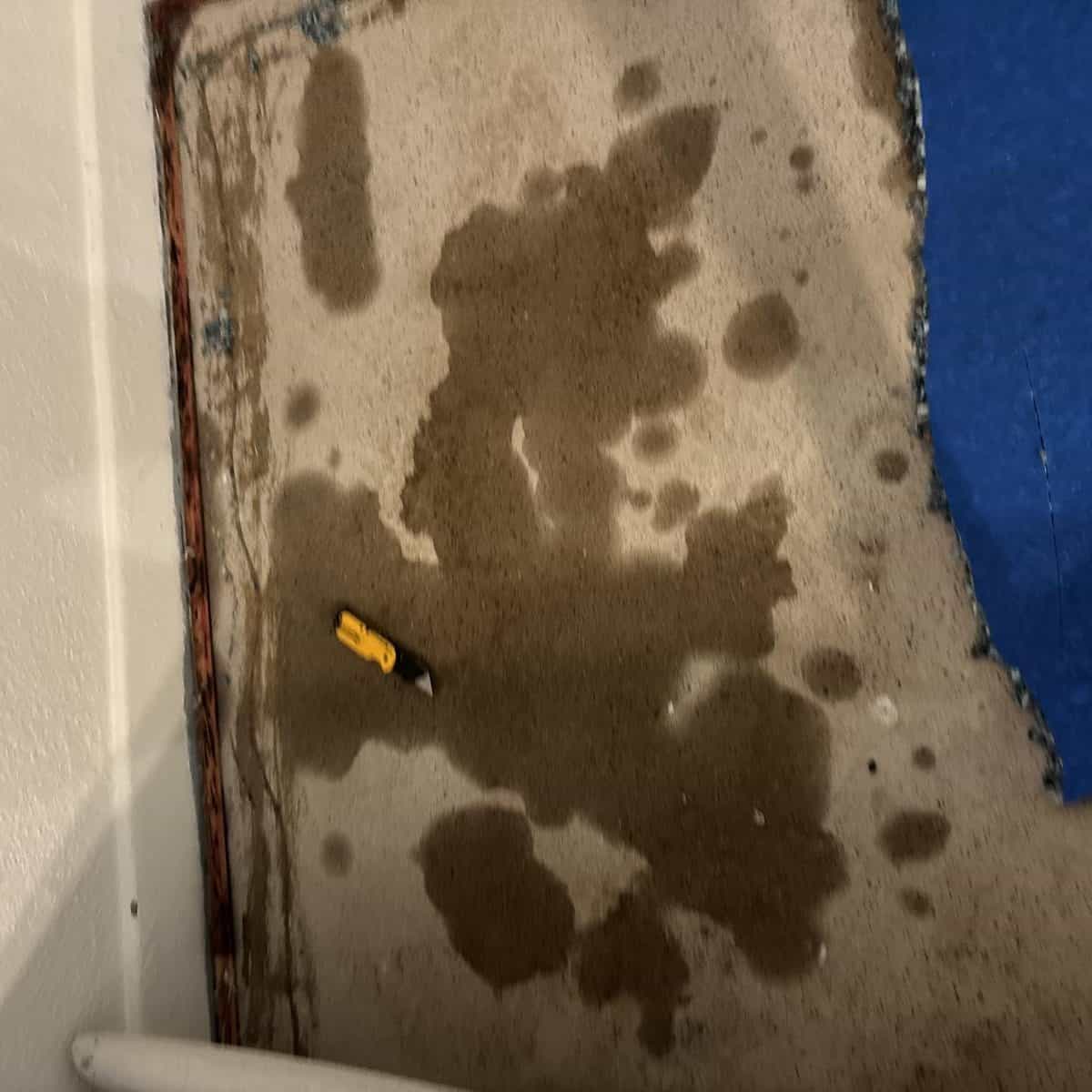
Primary damage is what the water did right away. The soaked carpet, the warped floor, the ceiling stain.
Secondary damage is what happens next when that water is not dealt with. Mold starts growing, usually within 24 to 48 hours. Drywall stays wet and crumbles. Wood swells and rots. That musty smell sets in. A problem that was two rooms becomes the whole floor.
The Part That Catches People Off Guard
We have seen claims where the first round of damage was handled and the mold and rot that followed was not. The homeowner ended up covering the part that grew while things sat. We cannot promise how any single claim will land, but this is a pattern we see, and mold remediation is not cheap.
What We Actually See
We are not writing this from a textbook. This is the pattern we see on real jobs.
A homeowner notices a leak. It does not look that bad. They put a towel down, maybe a bucket, and figure they will deal with it after the weekend. Or they call their insurance first and wait for someone to tell them what to do. Days pass.
By the time we get there, the drywall is soft, there is mold behind the baseboards, and the claim is already harder than it needed to be. The homeowner did nothing wrong on purpose. They just did not know the waiting was the risk.
The ones who call the moment they find water almost always come out better. Cleaner claim, less damage, less money out of pocket.
What to Do First After Water Damage
You do not need to be an expert. You need to move. Here is the order that protects your home and your claim.
How We Protect You and Your Claim
This is where we come in, and it is the whole reason Bedrock does things the way we do.
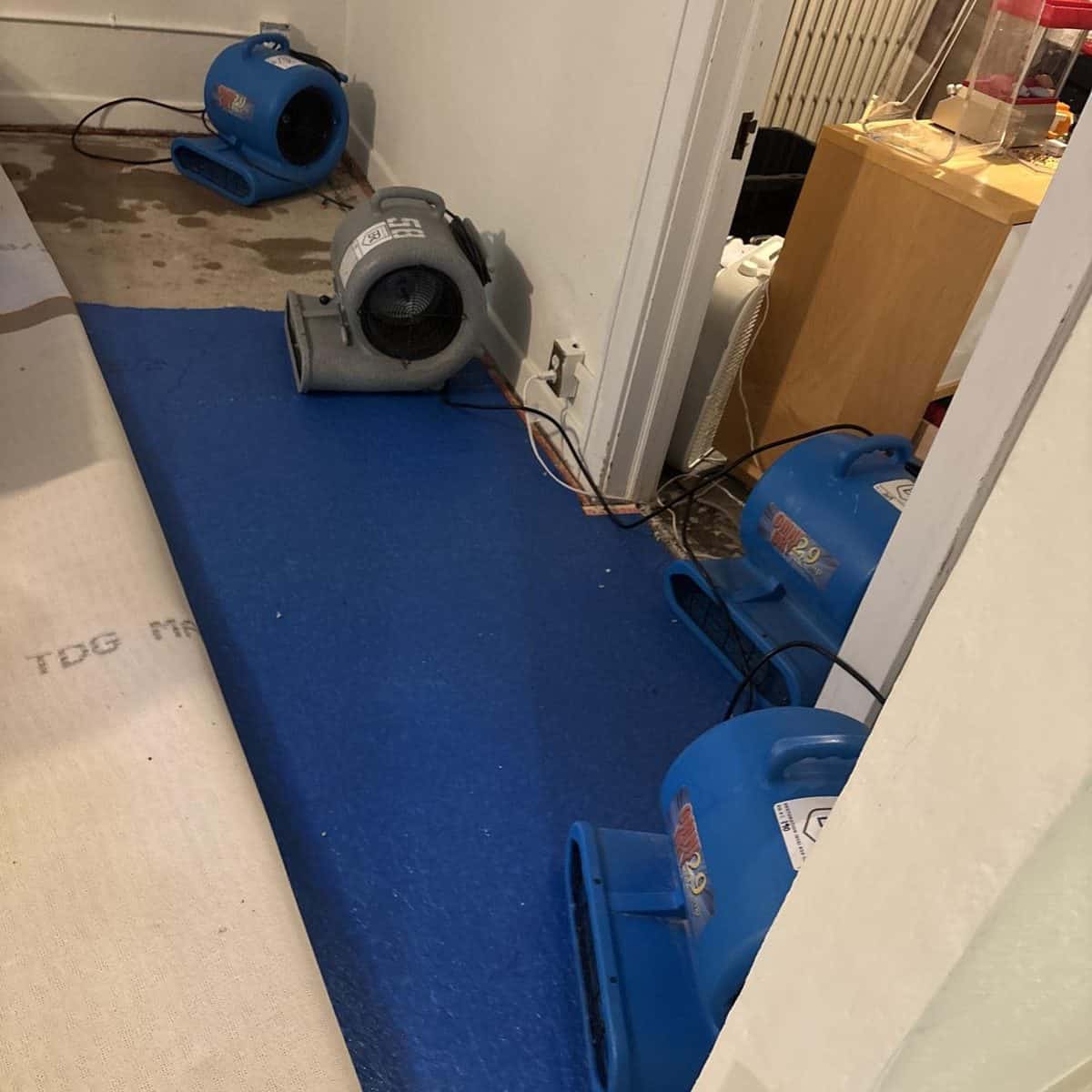
We respond fast. Local crews, not a call center. When water is spreading, hours matter, and we show up in them.
We document everything. Every job gets full photo and moisture documentation through our own system. That record is what holds up when the insurer asks questions.
We manage the claim with you. We have worked thousands of insurance jobs. We know what adjusters look for and we speak their language, so you are not fighting that part alone.
We fix the source and the damage. Because we run our own plumbing company, we can stop the water and dry out the home in one coordinated response. Most companies can only do half of that.
Questions We Hear a Lot
Does homeowners insurance cover water damage?
That depends on your policy and carrier, and we are not the ones who decide it. What we can tell you from the jobs we run is that sudden, accidental water, like a burst pipe or a failed water heater, tends to go more smoothly than a slow leak nobody caught for months. For anything specific to your home, read your policy or ask your agent.
Can a water damage claim be denied if I wait too long?
We cannot tell you how your carrier will handle your claim. We can tell you that the claims we watch get complicated almost always involve water that sat for days. Moving fast tends to help. Waiting tends to hurt.
What is secondary damage from water?
Primary damage is what the water does right away, like soaked carpet and a warped floor. Secondary damage is what happens next if it is not dried out: mold, rot, swelling wood, and that musty smell. It is the part we most often see cause trouble, because it keeps growing while things sit.
How fast does mold grow after water damage?
In our experience it can start within 24 to 48 hours in the right conditions. That is why we push so hard on responding fast and drying things out quickly.
What should I do first when I find water in my home?
Stop the water at the shutoff or the main, move valuables off wet floors, take photos and video, call a restoration pro to start drying, then report it to your insurer. The first day matters most.
How fast can Bedrock respond to water damage in the Twin Cities?
We run local crews, not a call center, and we answer 24/7 across the Twin Cities metro. When water is spreading, hours matter, and we show up in them. Call 612-834-1501.
Found Water in Your Home?
Do not wait to see what happens. That is the one move that costs people. Call us and we will be on it.
Call 612-834-1501We would rather get a call that turns out to be nothing than a call three weeks too late. Every time.