


- St. Louis Park
- Twin Cities Metro
Mold Remediation
in the Twin Cities
IICRC-certified mold removal following S520 standards. On-site within 1 hour, free assessment, and direct insurance billing.
- MN Licensed GC #BC787322
- IICRC Certified
- 3+ Years
- 5.0 Stars (193 Reviews)
STORM DAMAGE SIGNS
Signs Your Home Has Storm Damage
Storm damage is not always obvious. Some problems show up days or weeks after the event. If a recent storm hit your area, watch for these signs.
- Water stains appearing on ceilings or walls after rain
- Missing, cracked, or lifted shingles
- Dented or bent gutters and downspouts
- Water pooling in the basement after heavy rain
- Cracked or leaking windows from wind-blown debris
- Ice forming at the roof edge during winter (ice dams)
- Standing water around your foundation
- Fallen tree limbs on or near your roof
If you notice any of these after a storm, call (612) 834-1501 before the damage gets worse.
WHY CHOOSE US
Why Bedrock for Mold Remediation
IICRC
S520 Protocol
We follow the Institute of Inspection, Cleaning and Restoration Certification’s standard for professional mold remediation on every job.
Source
Identification
We do not just remove visible mold. We find and fix the moisture source, whether it is a leaking pipe, poor ventilation, or foundation seepage.
Post-Remediation
Verification
After removal, we verify clearance with air quality testing and visual inspection. You get documentation confirming the mold is gone.
Full Repair
Capability
If drywall, flooring, or structural materials need to be removed, our general contracting team handles all repairs. No second contractor needed.
OUR PROCESS
Mold Remediation, Step by Step
Inspection and Testing
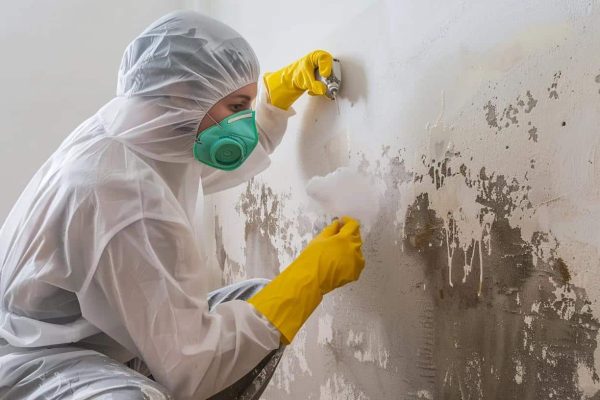
We inspect visible and hidden areas using moisture meters, thermal imaging, and air quality sampling. We identify the mold type, the extent of growth, and the moisture source feeding it.
Containment
We set up negative air pressure containment with HEPA filtration to prevent mold spores from spreading to unaffected areas during removal. Plastic barriers seal off the work zone completely.
Removal and Treatment
Affected materials are carefully removed, bagged, and disposed of per EPA guidelines. Remaining surfaces are treated with antimicrobial agents. HEPA vacuuming captures residual spores from all surfaces.
Verification and Restoration
Post-remediation air quality testing confirms clearance. Our general contracting team replaces drywall, flooring, insulation, and any other materials that were removed. You get a clean, dry, mold-free space and documentation for your records.
TWIN CITIES MOLD RISK
Why Mold Is So Common in Twin Cities Homes
Minnesota’s climate creates the perfect conditions for mold growth. Understanding the local risk factors helps you catch problems early.
Humidity and lakes. The Twin Cities sit among thousands of lakes. Summer humidity regularly pushes indoor moisture levels above the 60% threshold where mold thrives. Homes without proper ventilation or dehumidification are especially vulnerable.
Spring thaw and basement moisture. When frost lines thaw between March and May, groundwater seeps into basements through foundation cracks and floor joints. Even minor dampness that is not dried within 24 to 48 hours can trigger mold growth.
Ice dam water intrusion. Water from ice dams infiltrates attics, soffits, and wall cavities during winter. This moisture often sits undetected for weeks or months, creating hidden mold colonies behind drywall and insulation.
Older home construction. Many Twin Cities homes built before 1980 lack modern vapor barriers, adequate ventilation, and updated insulation. These older building materials are more susceptible to moisture retention and mold growth.
If you live in St. Louis Park, Edina, Eden Prairie, Hopkins, or anywhere in the Twin Cities metro, your home faces these risks. Call (612) 834-1501 if you suspect a problem.
Mold vs. Mildew
What You Are Looking At
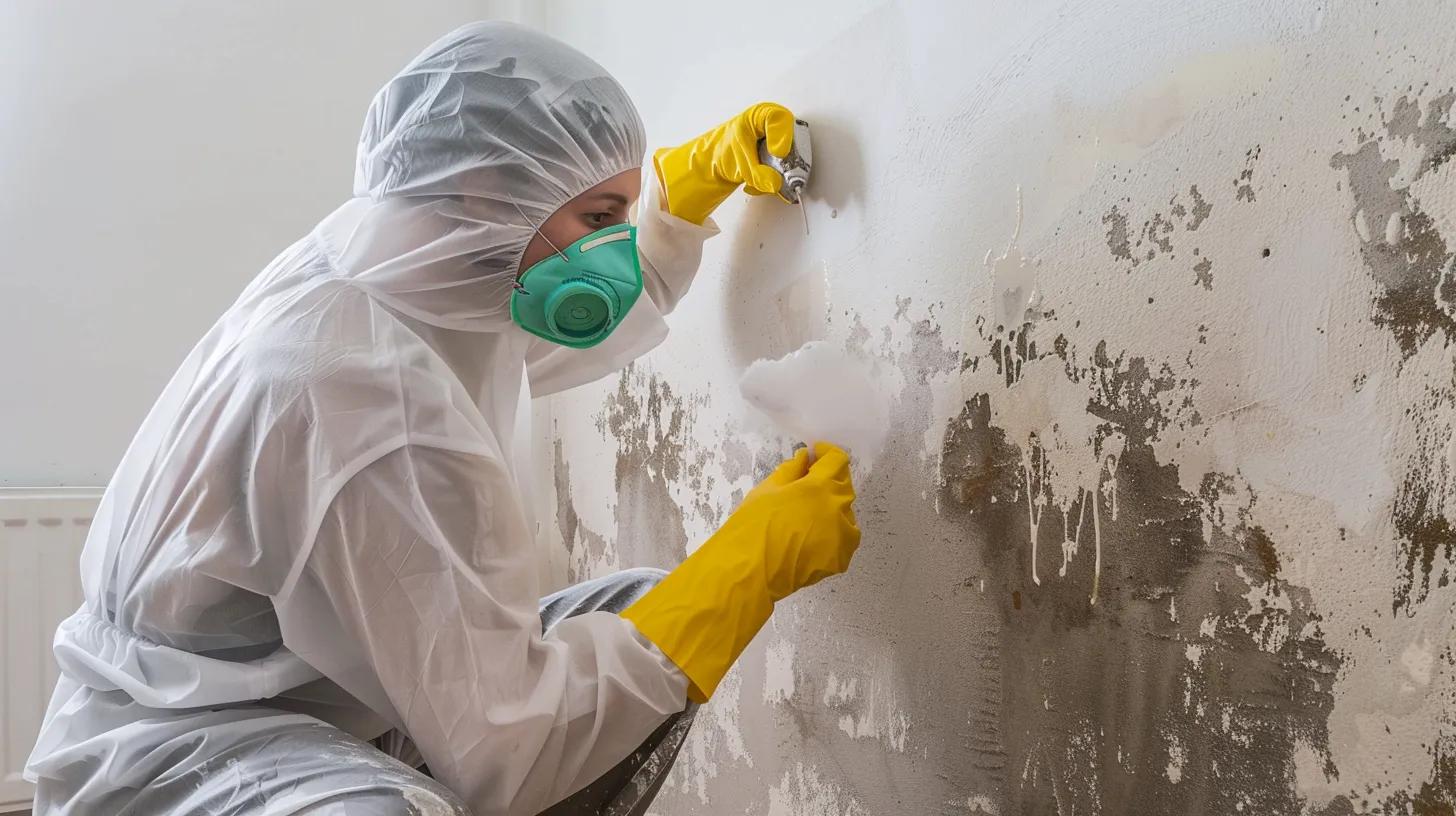
Mildew is surface-level fungal growth that appears flat, powdery, and usually white or gray. It sits on top of surfaces and can often be cleaned with household products. Mold is deeper. It penetrates into materials, appears fuzzy or slimy, and shows up as black, green, or dark brown. Mold damages structural materials and releases spores that affect indoor air quality.
If you can wipe it away easily and it stays gone, you may be dealing with mildew. If it keeps coming back, if it is growing on drywall or wood, or if you smell a persistent musty odor, you are likely dealing with mold that requires professional remediation. Do not attempt to remove significant mold growth yourself. Disturbing mold without proper containment spreads spores into your HVAC system and throughout your home.
Frequently Asked Questions
Cost depends on the size of the affected area, the type of materials involved, and whether structural repairs are needed. A small bathroom mold issue may cost a few hundred dollars. A full basement remediation requiring demolition and reconstruction can run significantly higher. We provide a free assessment and written estimate before any work begins.
Many homeowner's insurance policies cover mold remediation if the mold resulted from a covered event, such as a burst pipe or storm damage. Mold from long-term neglect or maintenance issues is typically not covered. We help you understand your coverage and handle all documentation for your claim.
Small-scope jobs (one room, surface mold) can be completed in one to three days. Larger jobs requiring demolition, full containment, and structural repair may take one to two weeks. We provide a clear timeline during the initial assessment and update you at every stage.
Mold spores can trigger allergic reactions, respiratory problems, and worsen asthma symptoms. Black mold (Stachybotrys) produces mycotoxins that pose more serious health concerns. If you have young children, elderly family members, or anyone with respiratory issues in your home, professional remediation is strongly recommended.
Small patches of surface mold (less than 10 square feet) on non-porous surfaces can sometimes be handled with household cleaning products. Anything larger, anything on drywall or wood, or any mold you can smell but cannot see should be handled by a certified professional. Improper removal spreads spores and makes the problem worse.
We identify and fix the moisture source. That may mean repairing a leaking pipe, improving ventilation, adding a dehumidifier, or waterproofing a foundation wall. Without eliminating the moisture source, mold will return regardless of how thoroughly it is removed.
Mold Remediation Near You
Serving the full Twin Cities metro from St. Louis Park, Edina, and Eden Prairie.
Coverage includes: Hopkins, Golden Valley, Minneapolis, Bloomington, Richfield, Minnetonka, Chanhassen, Shakopee, Savage, Plymouth, Burnsville, Eagan, Maple Grove, St. Paul, Woodbury, and surrounding cities.
Mold spreads fast and gets more expensive the longer it sits. Call (612) 834-1501 today for a free mold assessment.
Our IICRC-certified team follows S520 remediation standards, identifies and fixes the moisture source,
and verifies clearance with post-remediation testing.
If repairs are needed, our licensed general contracting team handles the full rebuild.
One company, start to finish. Backed by the Bedrock Guarantee.