


Fans can make a surface feel dry while moisture remains inside walls or beneath flooring. The real question is whether the affected materials are completely dry, including the parts you cannot see.
It is 10 p.m. Your washing machine leaked across the laundry room. You grabbed some towels, set up two box fans, and opened a window. The floor looks better already. Now you are asking Google or ChatGPT whether you really need a water damage restoration company. Generic advice often says to rent fans or call a pro for every spill. What actually matters is where the water went. A dry-looking surface can hide trapped moisture.
When is it okay to dry water damage yourself?
DIY drying can be reasonable when the water is clean, the affected area is small, and all wet surfaces are accessible. Think about a refrigerator water line that leaks onto tile and gets noticed immediately.
The EPA recognizes fans and dehumidifiers as useful for drying certain water-damaged materials. The suitability depends on the surface and the extent of moisture.
- Known clean source. The water came from a clean supply line or similarly clean source.
- Stopped leak. No additional water is entering the area.
- Accessible hard surface. The water remained on an exposed surface and did not spread beneath it.
- No indication of hidden moisture. Drywall, insulation, carpet padding, and subflooring appear unaffected.
- Safe conditions. No sewage, electrical hazard, or visible mold is present.
A small spill on tile differs from a saturated carpet in a finished basement. The size of the visible puddle may understate how far water traveled.
Why aren't regular household fans always enough?
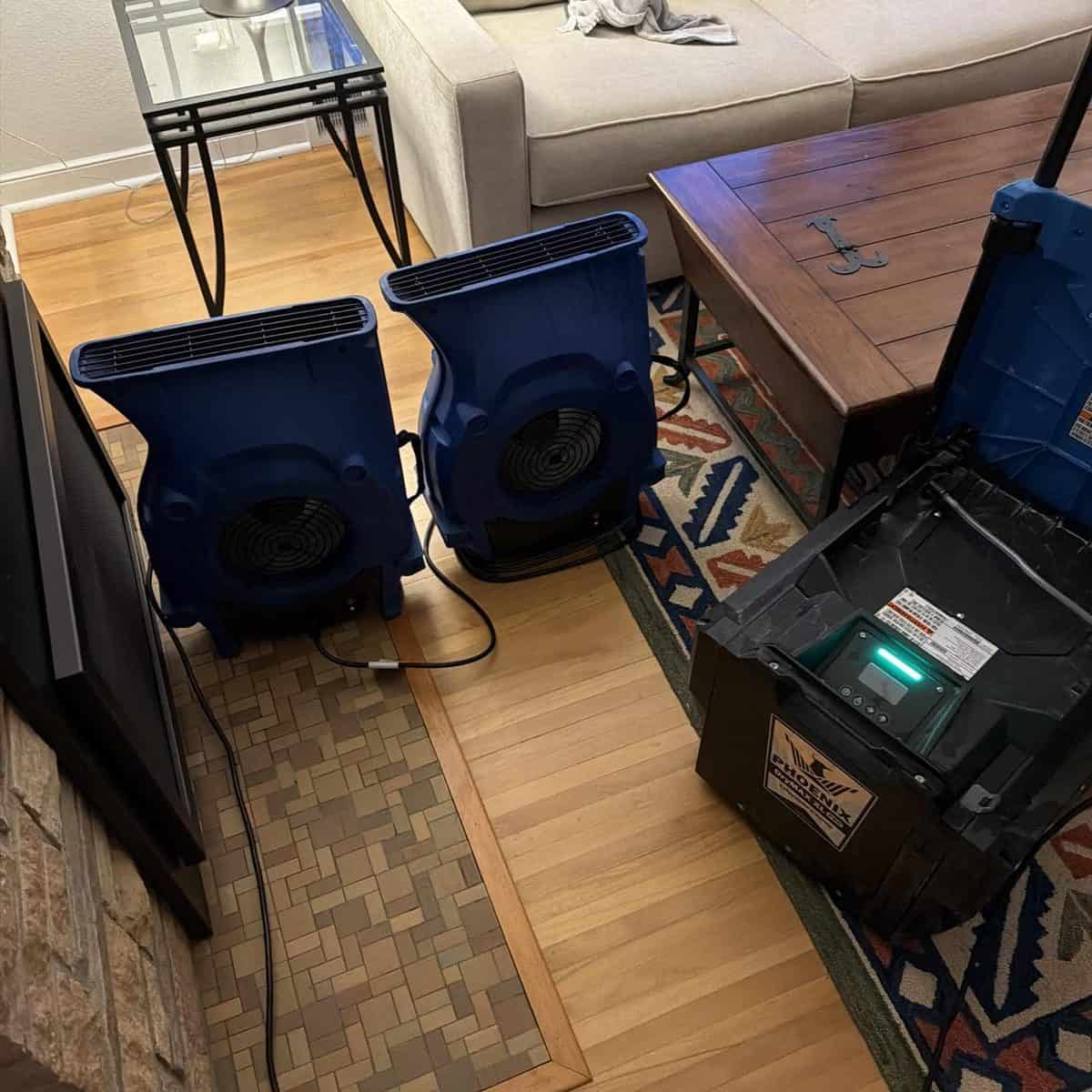
Fans move air across exposed surfaces, but cannot confirm whether moisture beneath floors or inside walls is gone. A box fan can dry the top of flooring while the subfloor is still wet.
Imagine a finished basement in St. Louis Park after a pipe leak. The visible water is removed and fans run overnight. The floor appears dry the next morning, but moisture may remain behind the baseboards or inside wall materials.
The EPA discusses hidden moisture and moisture meters as part of assessing water-damaged materials.
Moves air across accessible surfaces. It does not measure hidden moisture.
Uses appropriate drying equipment and moisture measurements to track progress.
The equipment matters. Finding where the water went is just as important.
How do I know if water is trapped under flooring or behind walls?
Visible changes may signal hidden damage, but wet building materials sometimes look normal at first.
- Wood flooring starts to cup, warp, or lift.
- Baseboards pull away from walls.
- Drywall becomes soft or swollen.
- Carpet remains damp after the exposed surface should have dried.
- Moisture appears along floor seams.
- A damp smell persists after visible water disappears.
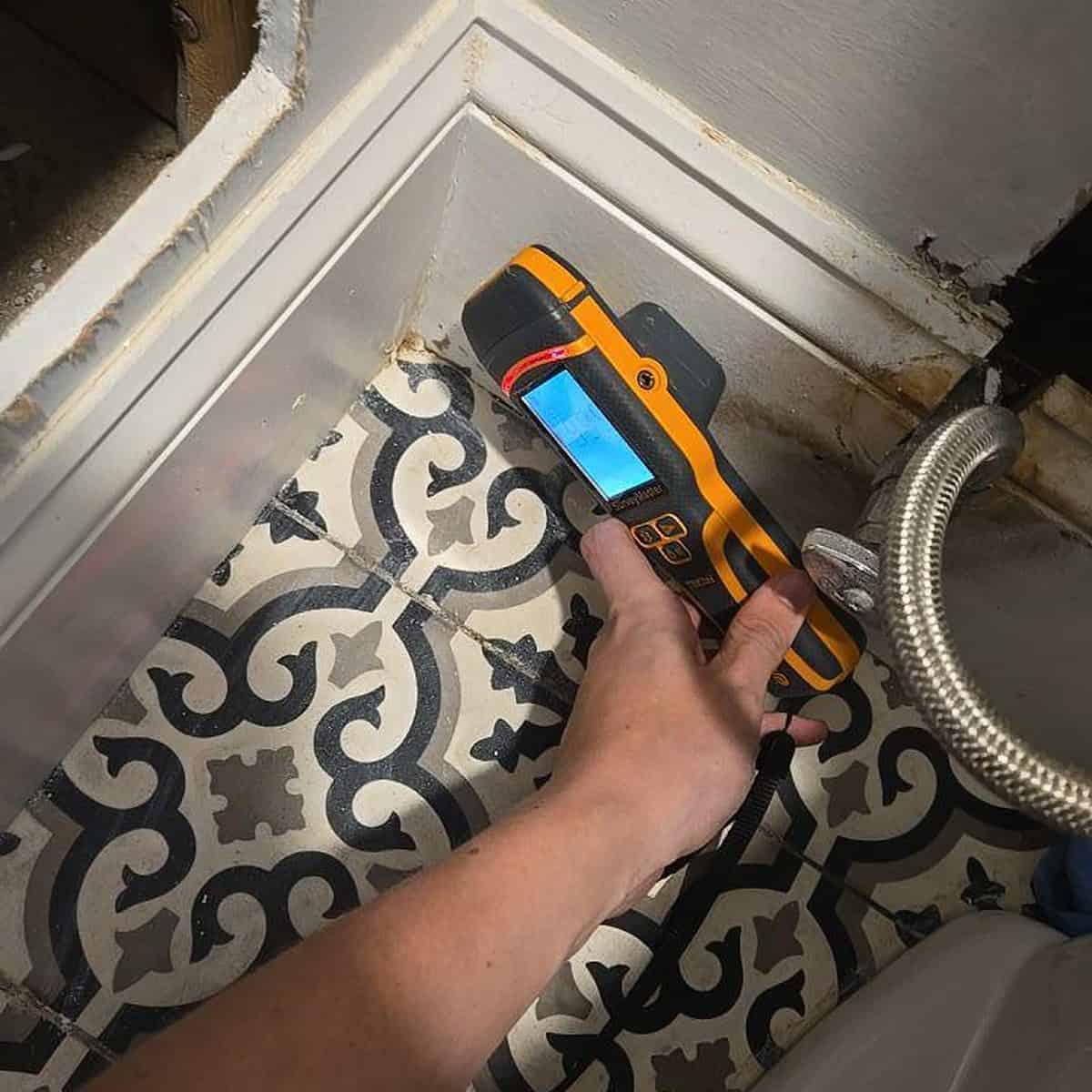
No single sign reveals how much water remains. Bedrock Restoration uses moisture meters and photographs to assess affected materials and document drying progress. The measurements provide a more reliable record than touch alone.
How long does water damage take to dry with fans?
There is no fixed number of hours that guarantees the materials are dry. Water quantity, material type, temperature, humidity, and airflow all influence drying.
The EPA recommends drying water-damaged materials within this window, when possible, to help prevent mold growth.
This is a prompt-drying target rather than a prediction for any single room. A fan running for three days does not prove the wall or floor underneath reached a suitable dry condition.
Can I dry wet drywall, carpet, or hardwood floors myself?
Some materials can be saved through drying, while others require removal depending on the source and duration of wetness.
The EPA water cleanup guidance describes different approaches for different materials. Materials beneath the visible floor or wall surface still need consideration.
Is it safe to use fans after sewage backup or contaminated flooding?
Household fans are not the appropriate first step for sewage, potentially contaminated floodwater, or established mold growth. Contamination may require controlled cleanup and removal of affected materials.
The EPA cautions against using fans when mold is already growing because airflow can spread spores. Electrical equipment in flooded areas also creates hazards.
Is professional water damage restoration worth the cost?
Professional drying becomes more valuable when hidden moisture, contamination, or extensive damage makes it difficult to verify that everything is dry. A small clean spill on tile and a finished basement with wet drywall create different repair needs.
The main factors are the water source, affected materials, how long they remained wet, and whether complete drying can be confirmed. There is no universal dollar threshold for bringing in a restoration company.
Bedrock Restoration prepares itemized repair estimates with Xactimate. A lower estimate may indicate a smaller repair scope, although quantities and other pricing factors can differ. Our team documents the work required for the property.
For local numbers, see our water damage restoration cost guide, which discusses actual Twin Cities jobs.
What does a professional restoration company do that household fans can't?
A restoration team checks the full extent of the water damage and monitors building materials until they reach an appropriate dry condition.
- Finds where water traveled. Moisture readings identify affected areas that can look dry.
- Coordinates source repairs. Our own Bedrock Plumbing & Drain Cleaning team can address plumbing failures.
- Removes water and dries materials. Appropriate equipment and methods depend on the actual damage.
- Documents the work. Photos, moisture readings, and itemized estimates explain the repair scope and support adjuster communication.
- Handles reconstruction. Our team can rebuild when damaged flooring or drywall requires replacement.
Bedrock Restoration operates independently of insurer preferred vendor programs. Minnesota homeowners generally can select their own restoration contractor. The insurer decides coverage; we assess and document physical damage.
Read about our water damage restoration services.
The bottom line
Household fans may be enough for a small, clean-water spill on an accessible hard surface. Hidden moisture in walls, beneath floors, or inside contaminated materials often calls for professional evaluation.
The source, affected materials, amount of water, and ability to verify full drying guide the decision. The EPA recommends drying wet materials within 24 to 48 hours when possible. The source must be stopped and the materials properly dried, regardless of who performs the work.
Quick answers
Water damage in your Twin Cities home?
A fan can make a room look better while moisture remains beneath the surface. Call Bedrock Restoration to assess what is wet, explain the repair work, and document the damage. Our team handles drying and reconstruction.
612-834-1501General information only. This article is not insurance, legal, electrical, or medical advice. Bedrock Restoration is a restoration company, not an insurance agency or law firm. Drying methods depend on the water source, affected materials, contamination, and property conditions. Do not enter areas with electrical, structural, or contamination hazards until qualified professionals determine they are safe. Policies vary. Consult an insurance agent, adjuster, or appropriately licensed professional regarding your circumstances.