


The decision depends on the material, how deeply soot and odor penetrated, and whether professional cleaning can restore it safely.
It is 11 p.m. The firefighters have left after a kitchen fire. Your ceilings are dark, your couch smells like smoke, and you wonder whether everything must be replaced. Generic advice says to wash everything or throw everything away. Both can miss the point: smoke may be removable from one surface and trapped deep inside another. Here is how the cleanup versus replacement decision works.
Which smoke-damaged materials can usually be cleaned?
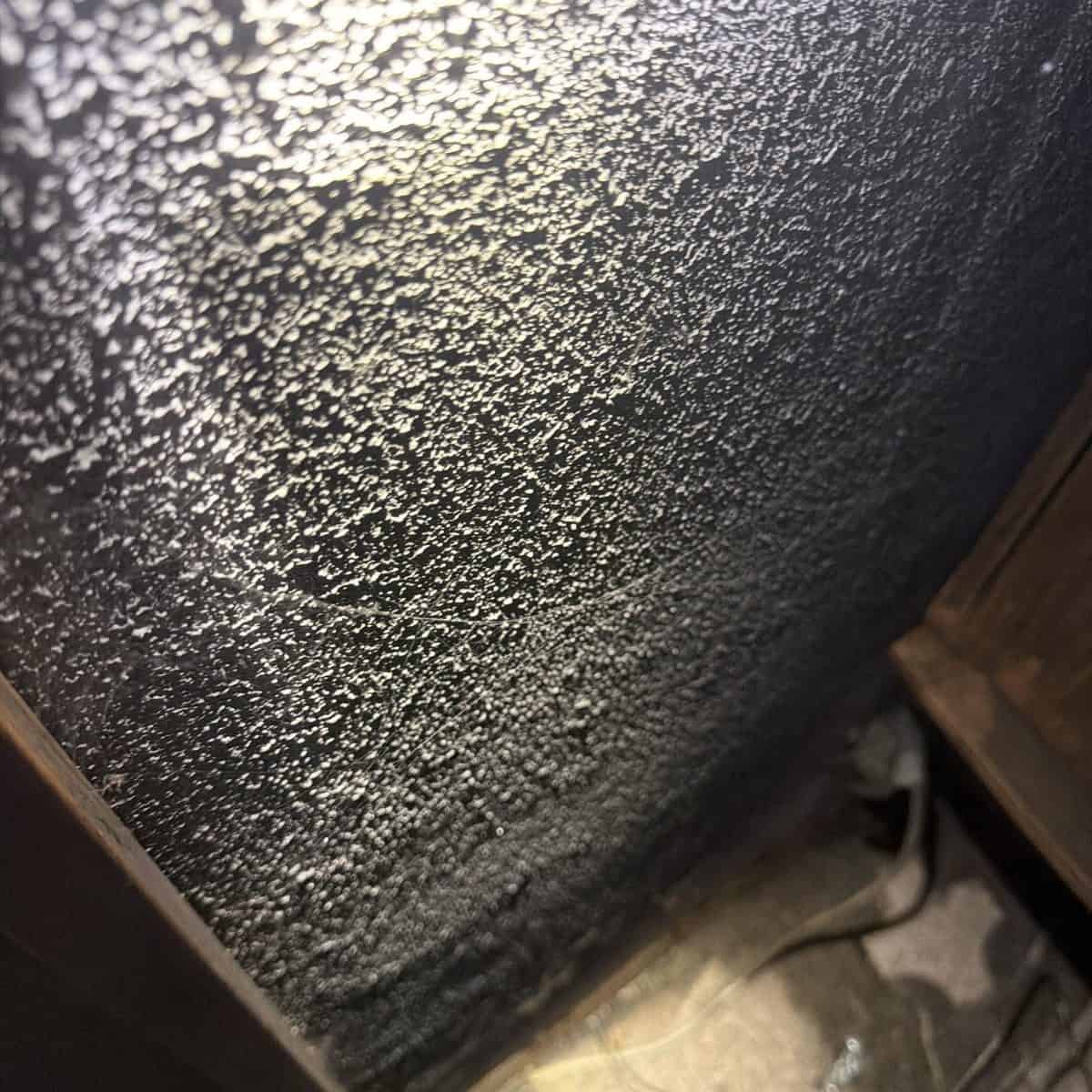
Structurally sound, accessible hard surfaces can often be cleaned if the soot and odor can be removed. Smoke can make a wall or cabinet look much worse than its actual physical condition.
- Painted walls and ceilings: Surface soot may be removable, followed by refinishing if needed.
- Tile, glass and metal: Nonporous materials are often good candidates for cleaning.
- Solid wood furniture and cabinets: Some items can be restored when finishes and underlying materials remain sound.
- Washable textiles: Specialized laundering may help remove residue and odor.
The American Red Cross disaster cleanup guidance explains that soot and smoke odors can be difficult to remove. A professional assessment can identify which materials are salvageable.
When does smoke damage require replacement?
Replacement becomes more likely when materials are charred, warped, unsafe, or unable to be cleaned and deodorized effectively. The visible amount of soot does not by itself determine the answer.
| Material or condition | Typical consideration |
|---|---|
| Light soot on intact walls | Cleaning may be enough |
| Soot on glass, tile or metal | Often cleanable |
| Smoke odor in upholstery | Specialized cleaning may help |
| Heavily contaminated insulation | Replacement may be necessary |
| Charred drywall or framing | Removal or repair may be necessary |
| Warped or melted materials | Replacement often required |
| Heat- or water-exposed electrical equipment | Qualified inspection required |
| Food or medicine exposed to smoke or heat | Generally discard |
The American Red Cross fire cleanup guidance discusses checking materials damaged by fire and water. A lower estimate may leave out work, but differences in measurement and pricing can also affect totals.
Can smoke-stained drywall be cleaned instead of replaced?
Yes, when the drywall is sound and soot remains removable from its surface. After a small stove fire, the kitchen ceiling may be blackened even though no flames touched the drywall.
Professional cleaning may remove soot. Additional sealing or repainting can be needed after the surface is properly prepared. Painting directly over soot can leave stains, adhesion problems and lingering odors.
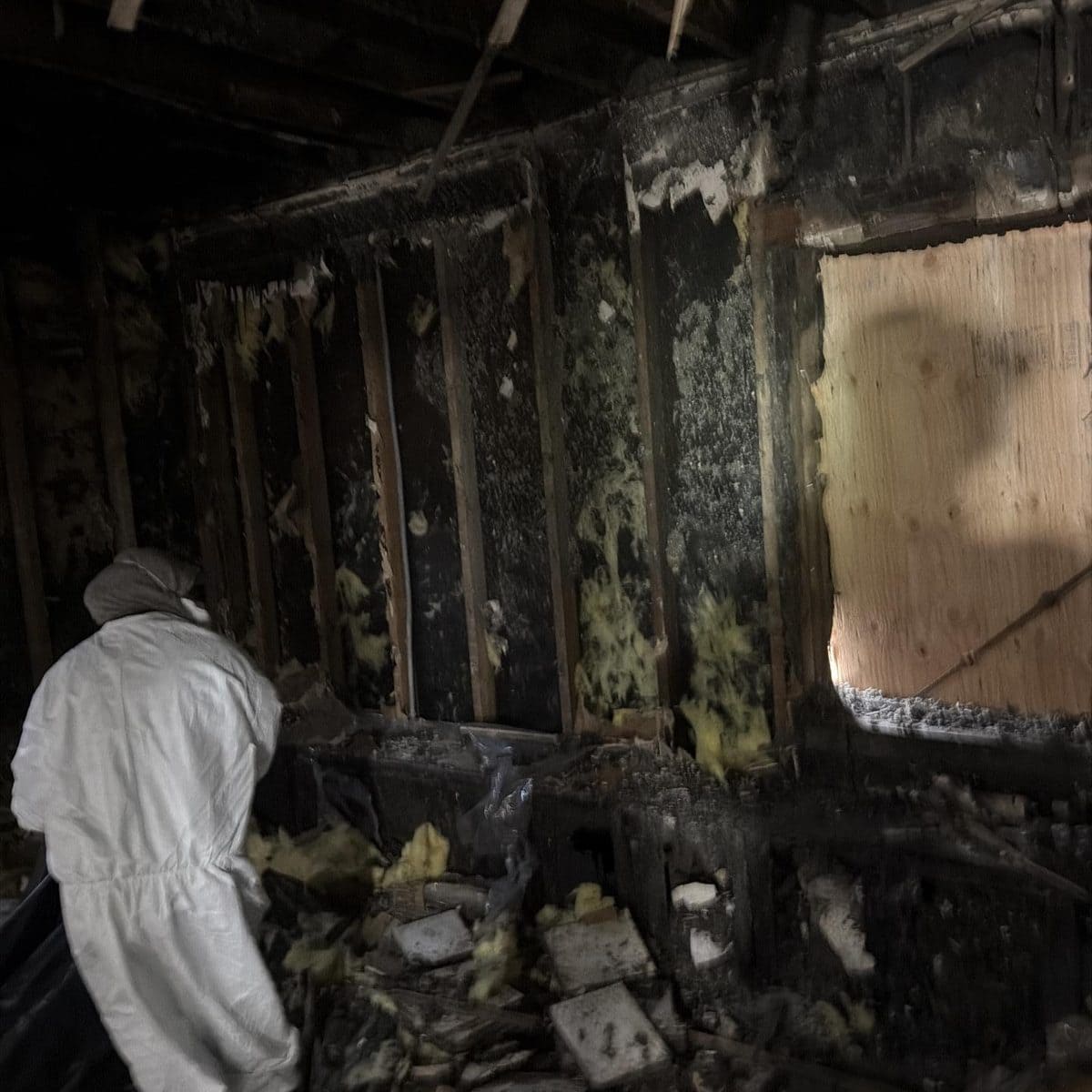
Charred, heat-damaged or heavily contaminated drywall may need replacement. The correct repair depends on its actual condition.
Can smoke odor be removed completely?
Smoke odor can often be removed when the contaminated surfaces and materials causing it are cleaned or removed. The smell may linger after visible soot is gone because residue remains in porous or concealed materials.
Professional odor removal starts with identifying and treating the source. Some belongings need specialized cleaning, and some materials cannot be restored successfully. Covering the odor with fragrance does not address the residue.
The American Red Cross notes that smoke smells can be difficult to remove and may need professional treatment.
Can smoke reach rooms where there was no fire?
Yes. Smoke can move through openings and ventilation pathways into rooms never touched by flames. A kitchen fire can leave soot and odor on an upstairs bedroom wall or furniture in the hallway.
A complete restoration assessment may include areas outside the burn zone. HVAC systems and filters may also require review by a qualified professional before being used again.
The City of Bloomington post-fire information discusses cleanup and soot concerns after a fire. Bedrock documents affected areas so the repair scope reflects the damage found throughout the home.
Can smoke-damaged furniture, clothing and personal belongings be saved?
Many belongings can be restored, although the material and level of exposure determine what is practical and safe. Washable fabrics may benefit from specialized laundering. Solid furniture can be assessed for cleaning and odor treatment.
Upholstery, electronics, documents, artwork and sentimental items may need specialized evaluation. Burned or heavily contaminated items may require replacement. Food and medicine exposed to smoke, heat or soot generally need disposal.
The American Red Cross after-fire guidance recommends discarding food and medication exposed to fire-related contamination.
Is it safe to clean smoke and soot yourself?
Only limited cleanup may be appropriate after fire authorities have declared the property safe. Fire-damaged buildings can contain unstable materials, electrical hazards, harmful soot, or contaminated water.
An ordinary household vacuum or improper wiping can spread soot and cause staining. Widespread residue generally needs a professional cleanup approach. Electrical and structural concerns belong with qualified professionals.
The American Red Cross advises staying out of damaged buildings until local authorities permit reentry.
Will homeowners insurance pay to clean or replace smoke-damaged materials?
Smoke damage from a covered house fire is often covered, but the insurer decides what cleaning or replacement qualifies under the specific policy. An estimate may provide for cleaning some cabinets while replacing heat-damaged ones.
The Minnesota Department of Commerce provides guidance on documenting damage and handling homeowners claims. Bedrock uses Xactimate to prepare itemized restoration estimates. The work included and actual measurements matter to the final cost.
Bedrock is independent of insurer preferred vendor networks. Minnesota homeowners generally may choose their own contractor. We document construction facts and communicate with the adjuster; policy interpretation and claim negotiation belong with the appropriate insurance or licensed claims professional.
How does Bedrock decide what to clean and what to replace?
We assess whether materials can be safely restored, document the damage and explain the proposed scope. Some homes need extensive soot cleaning with little rebuilding. Others have charred or heat-damaged components that require replacement.
Bedrock Restoration handles smoke and soot cleanup, associated water removal and structural drying, and reconstruction when needed. We photograph conditions and use itemized estimates to explain the work. Our affiliated Bedrock Plumbing & Drain Cleaning team can coordinate plumbing work when a fire loss also involves plumbing damage.
Learn more about our fire and smoke restoration services.
The bottom line
Smoke damage can often be cleaned when the materials remain sound and soot and odor can be removed. Burned, warped, unsafe or deeply contaminated materials may need replacement.
Appearance alone cannot settle the question. The damage needs a material-by-material assessment, and the property must be safe before cleanup begins. Bedrock Restoration documents the scope and can complete the restoration and reconstruction work.
Quick answers
Smoke damage in your home?
Find out what can be restored and what needs replacement. Bedrock Restoration provides 24/7 fire and smoke damage restoration throughout the Twin Cities.
612-834-1501This article provides general educational information, not medical, insurance, electrical, structural, or legal advice. Bedrock Restoration is a restoration contractor, not an insurance agency or law firm. Fire-damaged buildings may have unsafe structural conditions, harmful soot and electrical hazards. Do not enter until appropriate authorities permit reentry. Consult qualified licensed professionals for specialized concerns and your insurance agent or adjuster for coverage questions. Actual cleaning and replacement requirements vary by property and material.