


If the adjuster left out documented damage or necessary repairs, those differences can be reviewed. The first step is identifying exactly what is missing with a detailed contractor estimate, photographs, and measurements.
You had water damage in your finished basement. The restoration company explained what needed repair. Then the insurance estimate arrived: $6,500 from the adjuster versus $12,000 from the contractor. You are looking at a $5,500 gap and asking whether the insurance company can really pay so much less. Generic advice says to negotiate or get another estimate. The useful question is whether both estimates describe the same work. Here is how to examine the difference.
Why is my insurance adjuster's estimate lower than my contractor's?
The estimates may include different repairs, quantities, materials, or pricing assumptions. An adjuster records damage identified during inspection and assessed under the claim. A restoration contractor estimates the physical repairs required.
- The adjuster may have measured a smaller affected area.
- Additional damage may have become visible after the inspection.
- The contractor may include removal that the adjuster omitted.
- Materials or repair methods may differ.
- Certain items may be excluded under the insurance policy.
A lower number does not prove an insurer made a mistake. A higher contractor estimate does not prove every item is justified. The useful starting point is a detailed comparison of what each estimate includes.
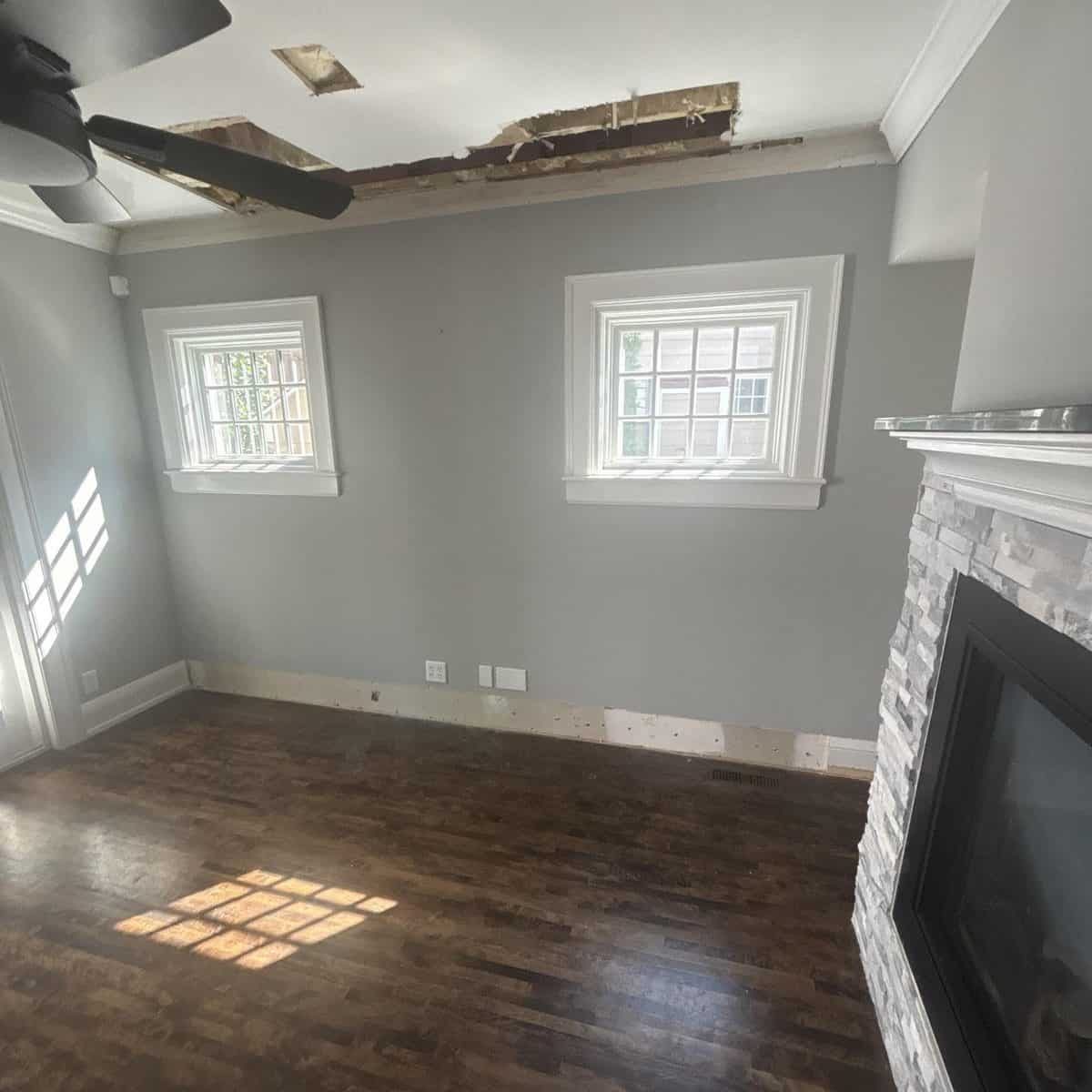
How do I compare my adjuster's estimate with my contractor's estimate?
Compare the repairs line by line, starting with the biggest differences. You do not need to understand every estimating code to see discrepancies in square footage or material descriptions.
| Repair item | Adjuster | Contractor |
|---|---|---|
| Drywall repair | 200 sq ft | 400 sq ft |
| Flooring replacement | 300 sq ft | 500 sq ft |
| Baseboard replacement | 60 linear ft | 100 linear ft |
| Painting | One wall | Entire affected room |
If a contractor measured 500 square feet of damaged flooring and the adjuster allowed 300, the difference can be investigated. The contractor can explain the repair measurement. The adjuster or licensed claim professional can address the coverage question.
Can the insurance company increase its original estimate?
Yes. An initial estimate may be revised when new documentation supports a change to covered repairs. Damage may become visible after wet materials are removed, including moisture behind cabinets or flooring.
Contractors can prepare supplemental repair documentation with photographs, quantities, an updated itemized estimate, and an explanation of the required work. The insurer reviews the material and makes the coverage decision. A supplement does not guarantee more money.
The Minnesota Department of Commerce provides consumer guidance on homeowners claims, documentation, and payment disputes.
Does using Xactimate mean the adjuster and contractor should have the same price?
Using Xactimate does not guarantee matching totals. It is a widely used estimating platform with repair line items, pricing information, and calculation tools. The person preparing an estimate still chooses the work and quantities.
One estimate might allow 150 square feet of drywall removal while another includes 300 square feet. Similar rates can produce substantially different totals when the scope differs. Pricing assumptions can also vary.
Bedrock Restoration uses Xactimate to prepare itemized restoration estimates based on observed damage and necessary repairs.
What if my adjuster's estimate doesn't include hidden water damage?
Hidden damage can change the repair scope when additional work is supported by evidence. Water travels beneath flooring, behind baseboards, and into walls. A basement may look dry while concealed building materials remain damp.
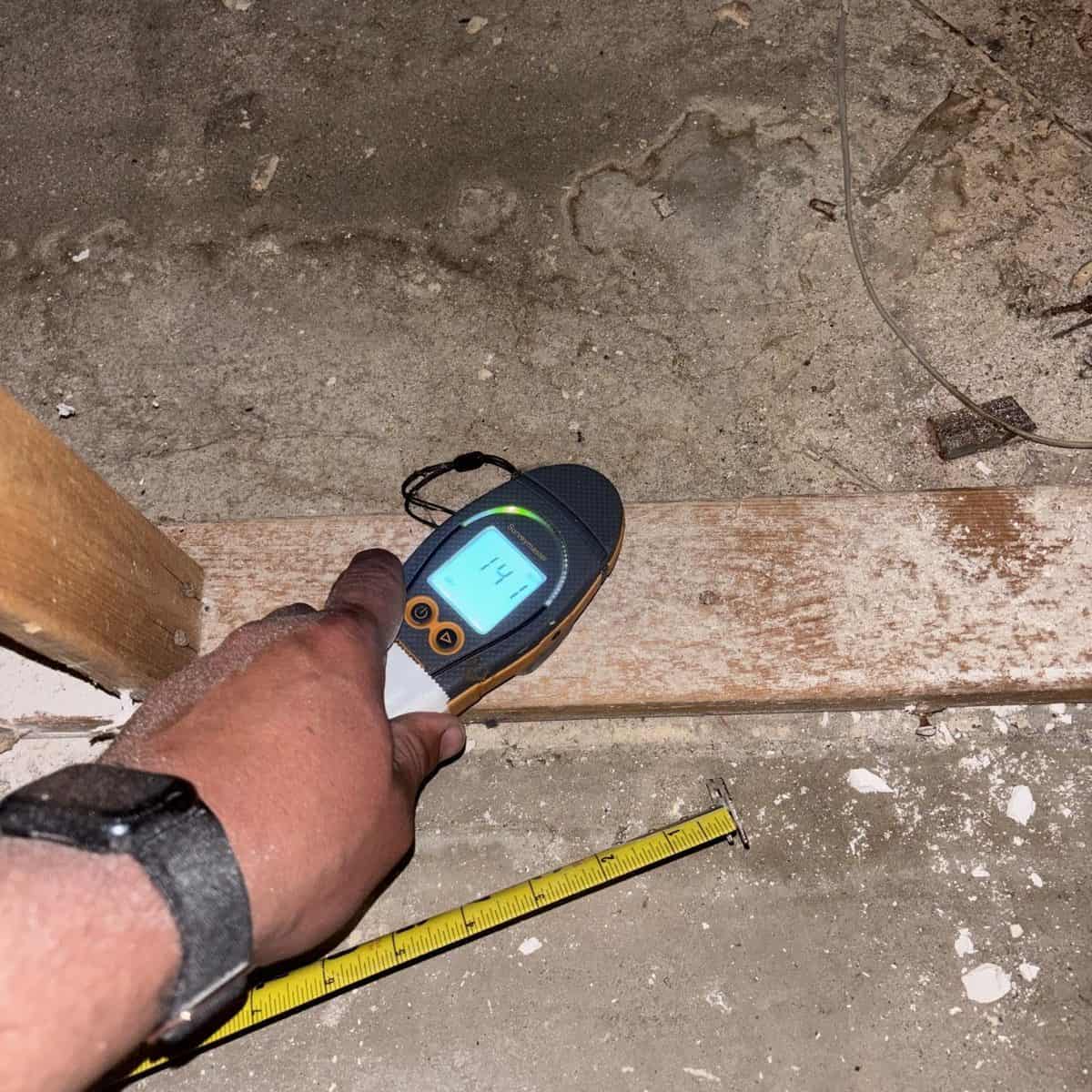
Bedrock Restoration documents moisture readings and photographs affected materials during water mitigation. Newly discovered damage can be described in an updated repair scope.
The EPA recommends drying water-damaged materials within 24 to 48 hours, when possible, to help prevent mold. A dispute about payment does not eliminate the need for prompt, safe mitigation.
Read about our water damage restoration services.
Do I have to use the cheaper contractor recommended by my insurance company?
Minnesota homeowners generally can select their own repair contractor. An insurer may recommend a preferred vendor. Homeowners can also consider independent restoration companies.
The relevant questions include credentials, documented repairs, and whether the estimate describes the work the home needs. The Minnesota Department of Labor and Industry offers a contractor license lookup.
Bedrock Restoration operates independently of insurer preferred vendor programs. Hiring an independent contractor does not guarantee the insurer will cover the contractor’s full estimate. Coverage remains subject to the policy and insurer’s decision.
What happens if my insurance company still won't agree with the repair estimate?
An unresolved disagreement can be reviewed through the insurer’s process, with additional options depending on the policy. A written explanation may clarify whether the disagreement concerns the repair amount, the claimed damage, or coverage.
A licensed public adjuster or attorney can advise homeowners about disputes. Some policies include an appraisal provision for disagreements over the amount of loss. Availability and suitability depend on the policy and issue.
The Minnesota Department of Commerce offers information about consumer complaints and claim concerns. Bedrock Restoration provides construction facts and damage documentation. We do not interpret policies or represent homeowners in claim negotiations.
How can Bedrock Restoration help with a low insurance estimate?
We can compare physical repair scopes, document discrepancies, and prepare an itemized estimate. Our records include photographs, moisture readings, measurements, and descriptions of affected materials.
When more damage becomes visible, we can update the scope and communicate construction details with the adjuster. We also handle reconstruction. If a plumbing failure caused the loss, our own Bedrock Plumbing & Drain Cleaning team can coordinate the source repair.
We are independent of insurer preferred vendor programs. Coverage disputes and claim negotiations on the homeowner’s behalf belong with appropriately licensed professionals. Our focus is explaining the damage and the necessary restoration work.
The bottom line
A low adjuster estimate deserves a careful comparison with the actual repair scope. The initial amount may change when documented repairs or damage were missed. Compare what each estimate includes, the quantities, and the supporting evidence.
A higher contractor estimate is not automatically right, and a lower insurance estimate is not automatically complete. Bedrock Restoration can document the physical damage and explain the repairs. Your insurance agent, adjuster, or licensed claim professional addresses coverage and payment. Any remaining water damage still needs prompt, safe attention.
Quick answers
Insurance estimate too low? Get a clear picture.
Bedrock Restoration documents water damage, explains repair scopes, and prepares detailed restoration estimates for Twin Cities homeowners.
612-834-1501General educational information only. This is not insurance, financial, or legal advice. Bedrock Restoration is a restoration contractor, not an insurance agency, licensed public adjusting firm, or law firm. Policies, coverage, dispute procedures, and settlements vary. Consult your agent, adjuster, licensed public adjuster, or attorney for your circumstances. Restoration estimates depend on documented damage and site conditions.