


If the repair cost is close to your deductible, paying out of pocket may make more sense. If the damage is extensive and covered, an insurance claim may be worth considering. Your coverage and potential future insurance consequences matter too.
It's 11 p.m. Your basement floor is wet. Maybe a pipe burst. Maybe the water heater failed. Now you're wondering whether calling your insurance company will end up costing more in the long run. Online advice often says to file every claim or avoid claims altogether. Neither rule tells you enough. The cost to restore the home, the source of the water, and your actual policy are what matter.
How much does water damage restoration actually cost?
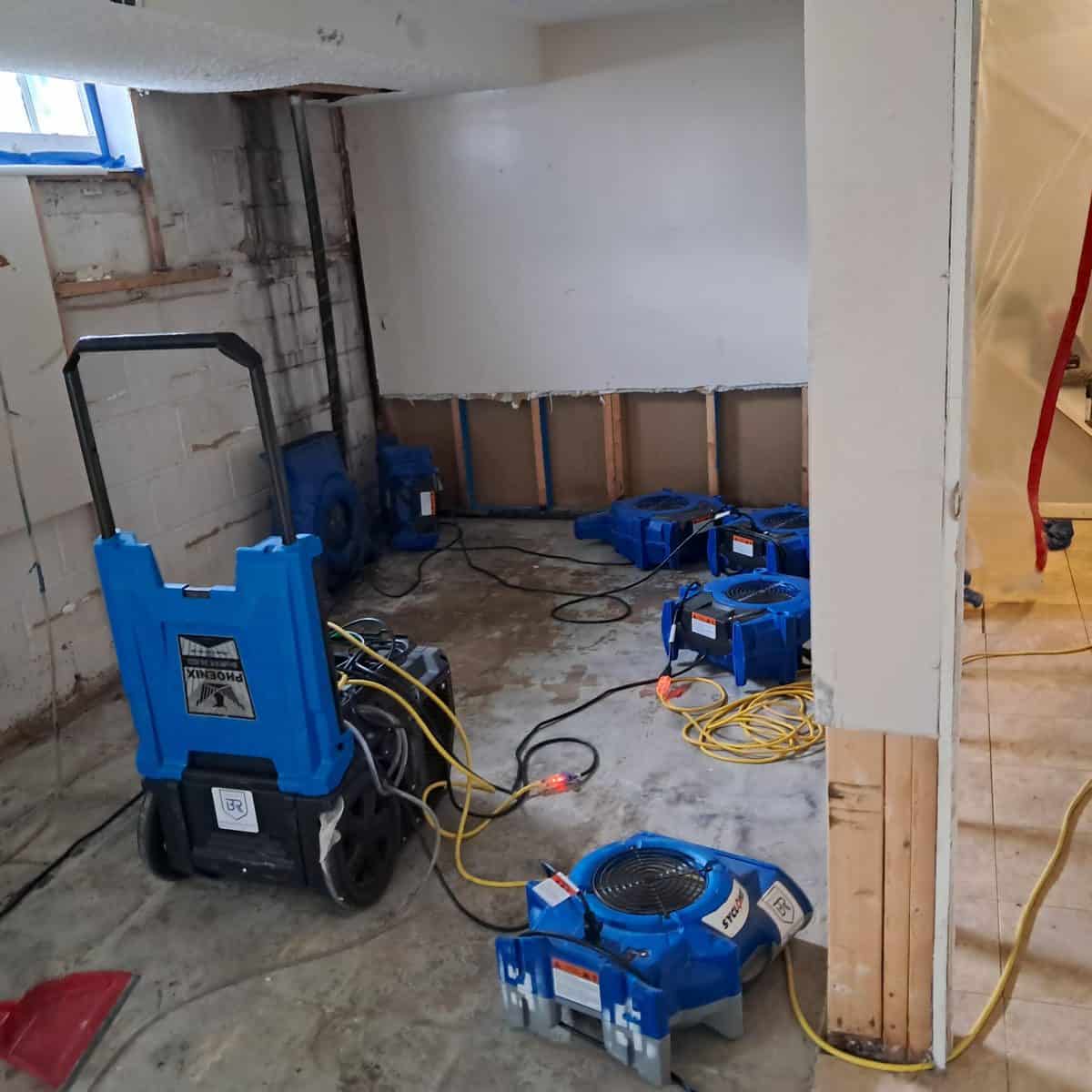
Start with a realistic estimate for the entire repair, including any rebuilding. The visible puddle is not always the full loss. Water may have reached flooring, insulation, or materials behind walls.
Based on 1,047 Bedrock water damage invoices from 2022 through September 2026, these historical figures show why damage costs can vary:
About one in seven mitigation jobs exceeded $10,000. These are historical Bedrock job figures, not an estimate for your home. A cleanup-only job and a restoration requiring reconstruction have very different costs.
See our water damage cost guide for more context.
What if the repair cost is close to my deductible?
A covered repair near your deductible may result in a small insurance payment. Here is a simple comparison using the same $2,500 deductible in both cases.
| Example | Smaller loss | Larger loss |
|---|---|---|
| Total covered damage | $3,500 | $15,000 |
| Deductible | $2,500 | $2,500 |
| Potential insurance payment | $1,000 | $12,500 |
| Your deductible cost | $2,500 | $2,500 |
Illustration assumes all damage is covered, one deductible applies, and no other limits or adjustments affect payment.
Will a water damage claim raise my insurance rates?
It can, but an increase is not automatic. An insurer may consider claims history when setting renewal terms or pricing. The outcome depends on the company, the policy, state rules, and other circumstances.
A homeowner considering a potential $1,000 insurance payment may weigh the decision differently than one facing a major covered loss. No universal claim threshold works for every household.
We cannot predict your insurer's decision. Ask your insurance agent whether a claim could affect renewal pricing or eligibility. The Minnesota Department of Commerce provides homeowner insurance information.
Is the water damage actually covered?
The source of the water often changes the coverage answer. Sudden pipe damage is commonly treated differently from a long-term leak or water entering from outside.
| Water source | General coverage consideration |
|---|---|
| Sudden burst pipe | Often covered, subject to policy terms |
| Overflowing appliance | May be covered if sudden and accidental |
| Long-term plumbing leak | May be excluded |
| Sump pump failure | Often requires water backup coverage |
| Sewer backup | Often requires an endorsement |
| Groundwater entering the basement | Typically excluded by standard homeowners insurance |
Two basements can look equally wet and have completely different insurance outcomes. Bedrock can document what happened and what needs repair. Your insurer determines whether the loss qualifies for coverage.
Can drying wait until I decide about the claim?
No. Promptly addressing water damage matters regardless of who pays. The EPA recommends drying wet materials within 24 to 48 hours to help prevent mold growth.
- Stay safe. Water near electrical equipment and contaminated water can make areas unsafe to enter.
- Stop the source if it is safe. A plumbing leak must be contained to prevent more damage.
- Record the damage. Photos and written notes can support a repair estimate and any insurance discussion.
- Start appropriate drying promptly. Hidden moisture may be present under flooring and behind walls.
Is water damage restoration cheaper without insurance?
Self-pay work can cost less overall, but that does not prove identical work is cheaper. In Bedrock's historical invoices, the median self-pay mitigation job was $2,400 versus $4,700 for insurance mitigation jobs. Those jobs had different sizes and repair needs.
Bedrock uses Xactimate to prepare itemized estimates for insurance restoration work. The scope matters: how much wet material needs removal, what drying is necessary, and whether the area needs rebuilding.
Price alone cannot tell you whether the same work is included.
Compare the necessary work and documentation line by line.
Do I have to use my insurance company's contractor?
No. Minnesota homeowners may choose their own repair contractor. An insurer may recommend a preferred vendor, but homeowners can select an independent company.
Bedrock Restoration operates independently of insurer preferred vendor networks. We prepare detailed estimates, take photos, record moisture measurements, and communicate repair documentation to adjusters when a customer involves insurance.
We support the restoration documentation and repair process. Coverage approval and claim settlement remain the insurer's responsibility.
What if I don't know whether the damage is serious?
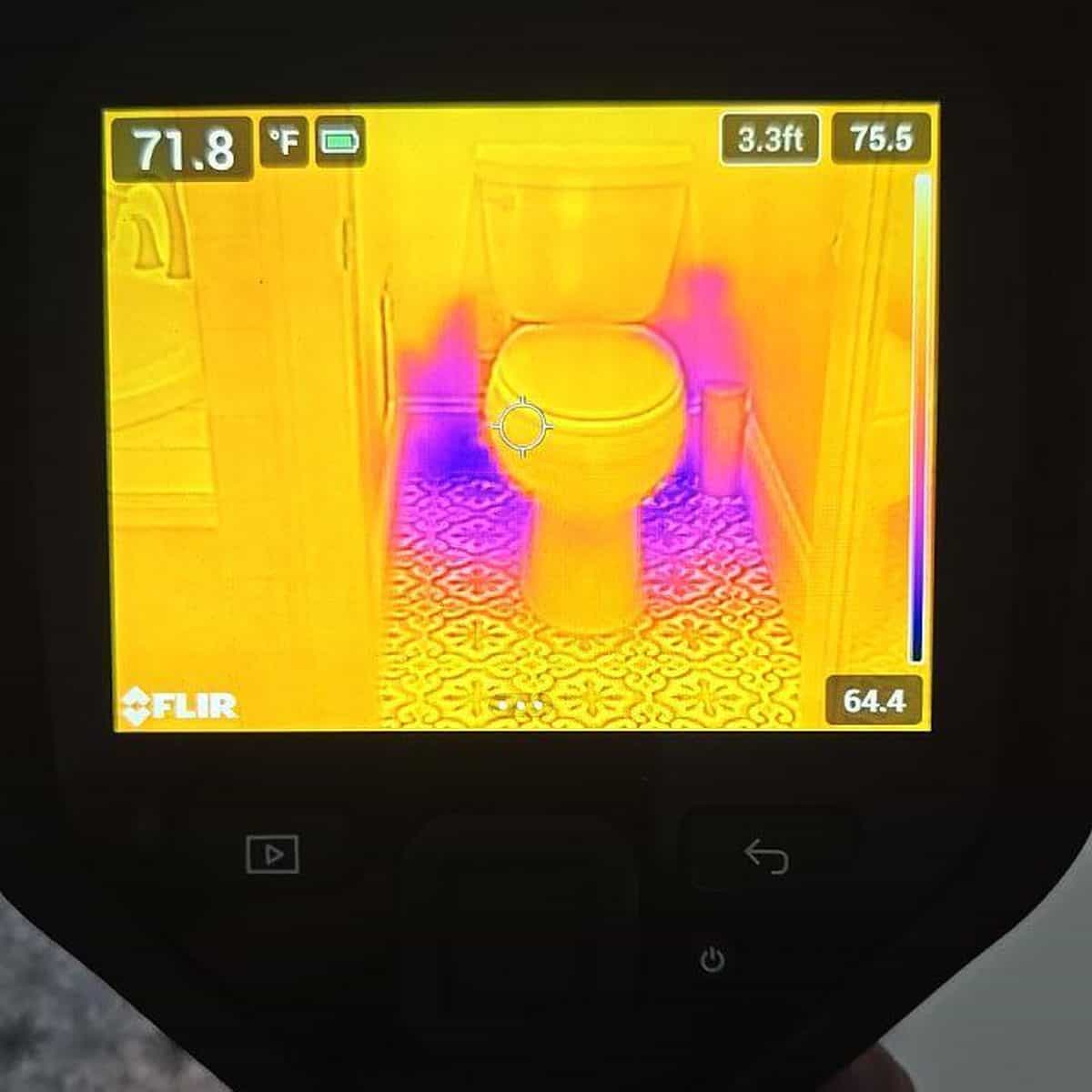
A professional assessment can clarify the repair scope before you make the insurance decision. Water can be present behind drywall or below flooring even when the visible puddle looks small.
Bedrock Restoration can assess the affected materials and prepare a written estimate. Our plumbing team can also investigate a plumbing source, while our restoration team handles the damage. Read about our water damage restoration services.
An estimate gives you a practical number to compare with your deductible, although hidden damage may change the final cost. Your agent or adjuster can help interpret the insurance side.
The bottom line
Five factors shape the decision: the complete repair cost, your deductible, whether the loss is covered, the potential insurance payment, and any future policy consequences.
- Damage near the deductible may leave little insurance payment.
- Major covered damage may result in a substantially larger payment.
- Ask your agent or adjuster about coverage and potential policy effects.
- Address the water and drying promptly, whatever payment route you consider.
Bedrock explains the physical damage and repair costs. Your insurance professional explains your policy.
Quick answers
Water damage in your Twin Cities home?
You don't need to settle the insurance question before getting an assessment. We'll document the damage, explain the repair scope, and provide an estimate. Emergency restoration help is available 24/7.
612-834-1501This article is general information for Twin Cities homeowners, not legal, insurance, or financial advice. Bedrock Restoration is a restoration company, not an insurance agent, attorney, or public adjuster. Coverage, deductibles, claim consequences, and policy requirements vary. Ask your insurance agent, adjuster, or other appropriately licensed professional about your circumstances. Historical job figures do not represent an estimate for your home.