


Keep everyone out of the flooded area, avoid electrical hazards, and stop using water if sewage is backing up. If the water can be shut off safely, do that. Photograph the damage from a safe place and call an emergency restoration company.
Never walk into standing water to reach a breaker. Treat sewage as contaminated.
It's 11 p.m. You walk downstairs and find two inches of water across the basement floor. Maybe a pipe broke. Maybe the sump pump stopped. Maybe wastewater is coming up through the drain. You ask AI what to do and get advice about towels and wet vacuums. That skips the first question: is it safe to enter? Here is what actually matters in the first 60 minutes.
What should I do in the first 5 minutes of a basement flood?
Keep people and pets out until electrical and contamination hazards have been assessed. The water may be touching wiring, equipment, or outlets you cannot see. A floor drain may be bringing sewage into the home.
The CDC's flood safety guidance warns against handling electrical equipment while standing in water.
- Keep everyone away. No children or pets in the flooded area.
- Avoid electrical hazards. Never enter water to unplug equipment or reach the breaker panel.
- Watch for serious hazards. Gas odors, damaged wiring, and structural damage may require emergency responders.
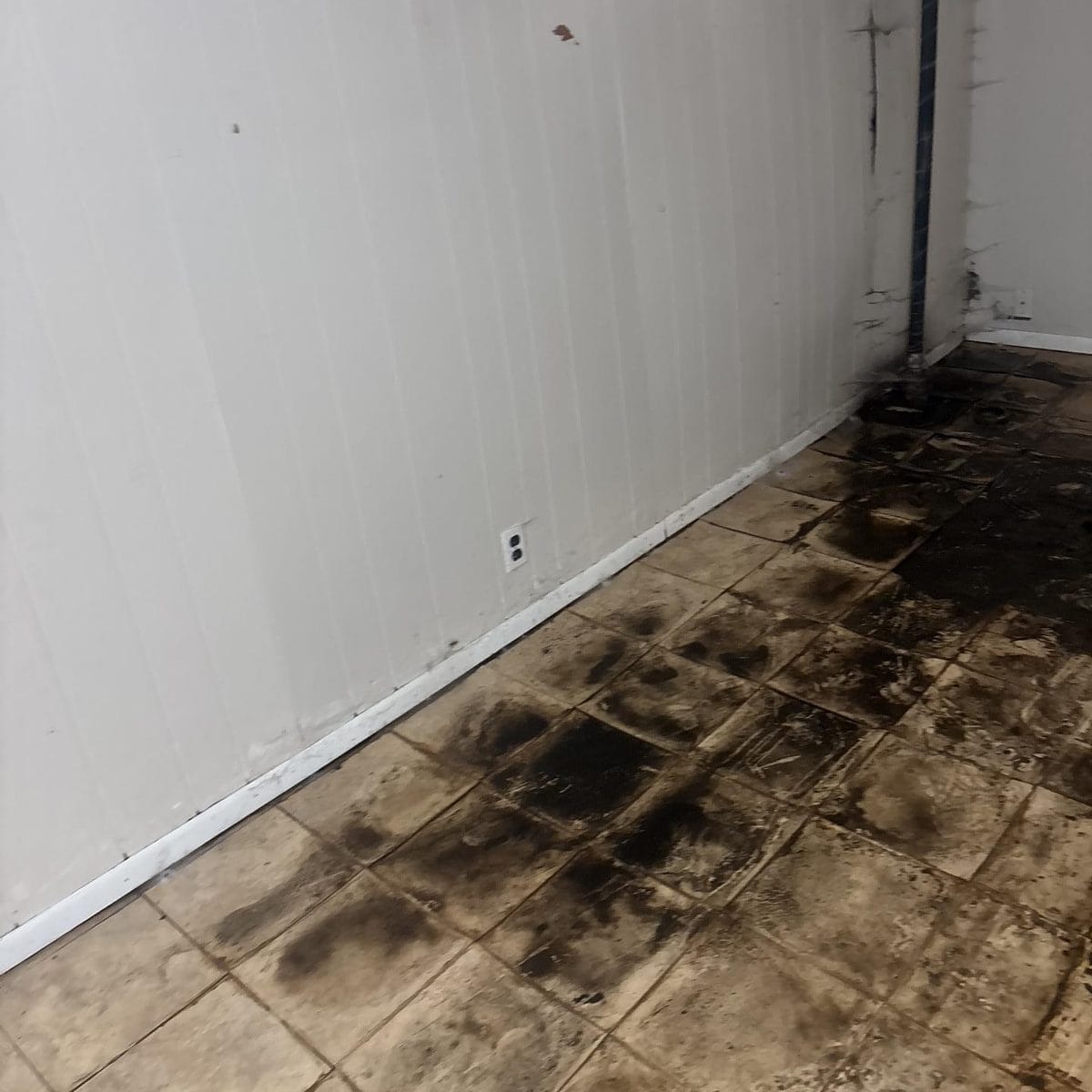
- Look from a safe spot. Notice whether water is coming from a pipe, sump area, or floor drain.
How do I stop the water from getting worse?
The source determines the response. Stopping a broken water line, addressing a failed sump pump, and handling sewage require different work.
A shutoff valve may stop an indoor supply leak if it can be reached without entering water. An electrical hazard changes what is safe to do. If sewage is backing up, toilets, showers, and washing machines can add more wastewater to the problem. See the CDC's wastewater system guidance.
Is sewage backup dangerous even if there is only a little water?
Yes. Sewage can contain harmful germs, regardless of how shallow the water looks. Keep people and pets away from affected areas.
Wastewater can soak into carpet, drywall, storage boxes, and insulation. Some absorbent materials may need to be removed rather than simply dried. The CDC warns about contaminated floodwater.
Bleach by itself does not fix contamination in porous materials. Never mix cleaning chemicals. Professional cleanup may involve removing unsalvageable materials, cleaning and disinfecting appropriate surfaces, and drying the building.
Should I take pictures before cleanup starts?
Yes, when taking photos is safe. Pictures help record where water reached and what belongings were affected. They also help an adjuster understand the loss.
Photos from the top of basement stairs can be useful. Nobody needs to step into a flooded room to collect evidence. A restoration crew can document areas that are unsafe for a homeowner to access.
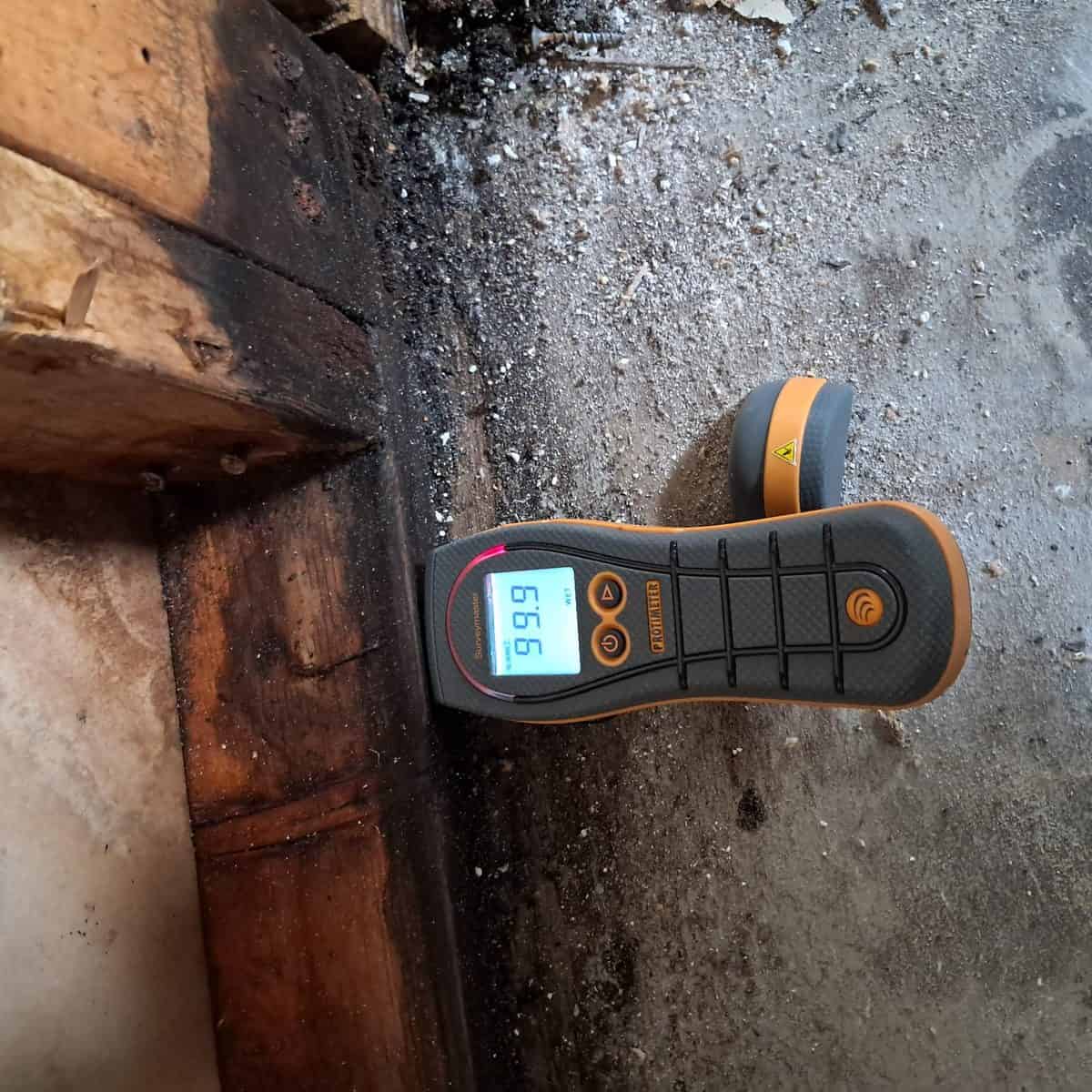
Bedrock Restoration records moisture readings, damaged materials, and the work needed. Your insurance agent or adjuster decides coverage. The Minnesota Department of Commerce provides additional homeowners insurance guidance.
Should I start removing basement water myself?
Limited clean water may be manageable when the area is confirmed safe. Sewage, unknown water sources, or major flooding usually call for professional assessment.
A wet vacuum may remove visible water. It cannot prove that water underneath flooring or behind walls has dried. Household cleanup equipment also cannot establish that sewage contaminated materials are safe to keep.
How quickly does a flooded basement need to be dried?
Drying needs to start as soon as the area is safe. The EPA recommends cleaning and drying wet materials within 24 to 48 hours, when possible, to reduce mold risk.
A target for cleaning and drying water damaged materials, not a guarantee that mold cannot grow earlier.
Temperature, humidity, and the building materials affect the outcome. Sewage changes which materials can be cleaned and kept. See the EPA's guidance for flooded homes.
Insurance questions can continue while qualified professionals address urgent drying needs. Read about our water damage restoration services.
Should I call my insurance company or a restoration company first?
Both calls matter. A restoration company addresses the physical damage. Your insurance agent or adjuster explains the policy, reporting requirements, and coverage.
Water backup and sump pump failures often require special coverage. The Minnesota Department of Commerce is a useful starting point for policy questions.
Bedrock documents the loss and communicates with adjusters about the repair work. We're independent of insurer preferred vendor networks. Minnesota homeowners generally have a choice of contractor, subject to their policy and circumstances.
We use Xactimate to prepare itemized estimates. Lower estimates may reflect a smaller work scope, but quantities and pricing assumptions can vary too. See our water damage cost guide.
What happens when an emergency restoration company arrives?
Crews assess hazards first, determine where the water traveled, and establish the proper cleanup and drying plan. Sewage and clean water losses require different handling.
- Assess the source and hazards. Plumbing repairs can be coordinated when needed.
- Document the loss. Photos, readings, and written records show affected areas.
- Remove water or contaminated materials. The necessary work depends on the source and materials.
- Dry and monitor. Moisture checks help confirm drying progress.
- Plan reconstruction. Damaged drywall, flooring, or finishes may need rebuilding.
Our restoration team can handle water removal through reconstruction. When a claim is involved, Bedrock can share work documentation with the adjuster. The insurer remains responsible for its coverage decision.
The bottom line
The first hour is about keeping people safe, stopping the source when possible, and getting qualified help. Sewage requires additional caution. Clean looking water can still cause hidden damage.
These times are a practical guide, not strict deadlines. Urgent hazards always come first. Bedrock Restoration can coordinate plumbing, cleanup, drying, and reconstruction for Twin Cities homeowners.
Quick answers
What is the first thing to do when a basement floods?
What should I do immediately if sewage backs up into my basement?
Is it safe to walk through a flooded basement?
Should I turn off the electricity if my basement floods?
Can I use a wet vacuum to clean up basement floodwater?
How long can basement water sit before mold starts growing?
Do I need to throw away carpet after a sewage backup?
Who do I call first for a sewage backup in Minnesota?
Does homeowners insurance cover a flooded basement or sewage backup?
Can Bedrock Restoration handle both a broken pipe and basement flooding?
Basement flooded or sewage backing up?
Water spreads fast. Sewage adds contamination risks. Bedrock Restoration provides 24/7 emergency response across the Twin Cities, with plumbing support, documentation, drying, and reconstruction.
612-834-1501General information disclaimer: This guide is educational and not legal, insurance, medical, or electrical advice. Bedrock Restoration is a restoration company, not an insurance agency or law firm. Floodwater, sewage, damaged electrical systems, and unstable structures can be dangerous. Seek appropriate licensed professionals or emergency authorities for unsafe conditions. Coverage depends on policy terms and circumstances. Ask your agent or adjuster about claims. Cleanup methods and drying times vary.