


The EPA says areas smaller than about 10 square feet may be suitable for homeowner cleanup in many situations. The type of material, water source, hidden growth, and safety risks matter just as much as the visible size.
It is Sunday night. You move boxes in the basement and find a dark patch on the bottom of the drywall. You ask Google or ChatGPT whether you need professional mold remediation or can clean it yourself. Online advice often jumps straight to bleach or a major remediation job. The useful question is how much mold there is, where it is growing, and whether moisture is still present. Here is how to tell the difference.
How much mold is too much to clean myself?
The EPA says homeowners can often handle mold covering less than about 10 square feet, when the conditions are suitable for safe cleanup. That is roughly a 3-foot by 3-foot patch.
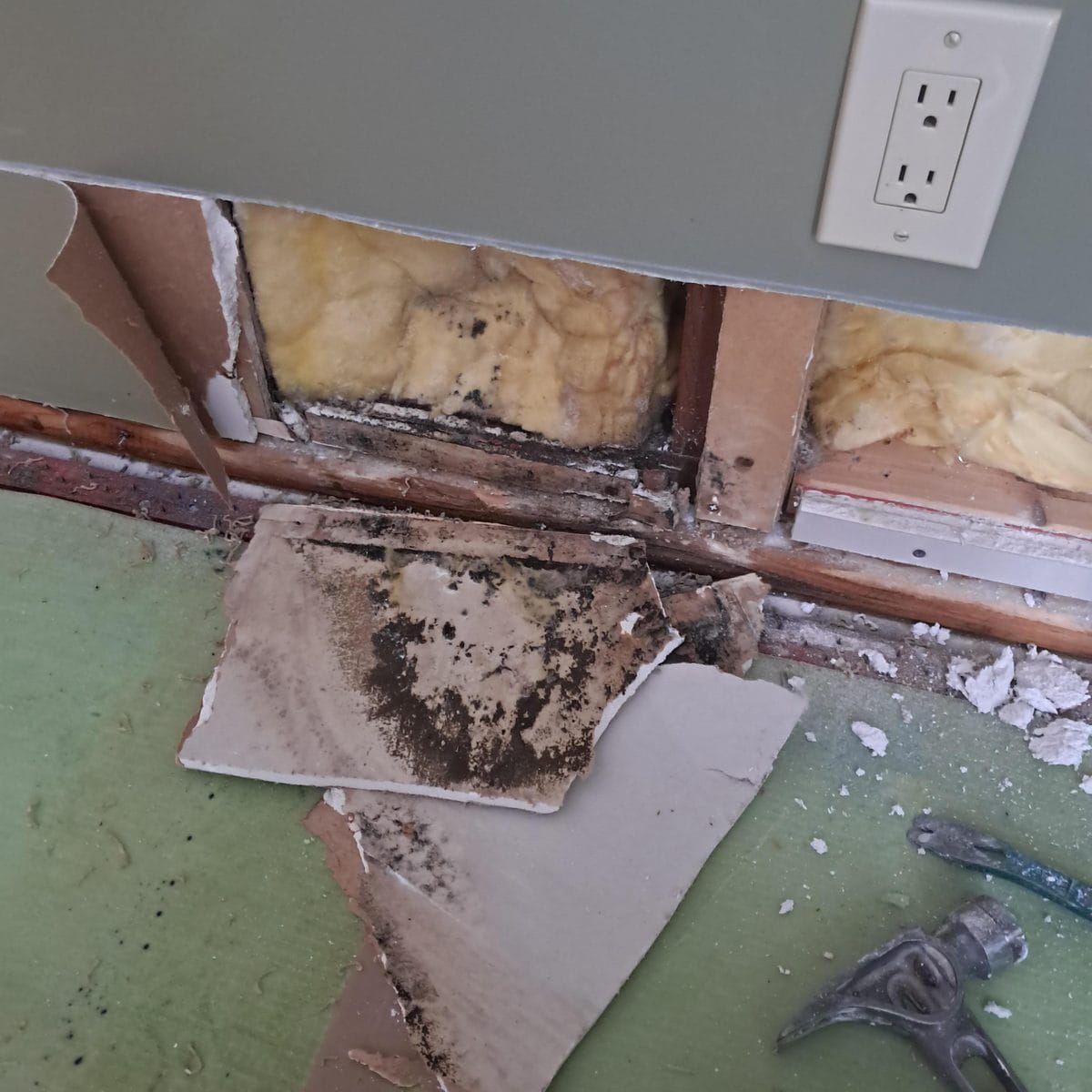
A small patch behind drywall or following a sewage backup raises different concerns than surface mold on bathroom tile. The EPA recommends considering professional help for areas larger than about 10 square feet or significant water damage. A visible patch may also hide a larger problem behind the wall.
When is simple mold cleanup enough?
Household cleanup may be reasonable for a small, fully accessible patch on a cleanable surface. Bathroom tile with limited surface mold is one example.
- The affected area is small and fully visible.
- The surface can be cleaned without damaging the material.
- There is no suspected hidden water damage.
- The moisture source has been identified and corrected.
- Appropriate protective equipment and safe cleanup are possible.
The Minnesota Department of Health explains that homeowners can address many small mold problems. Cleaning without correcting the moisture source can allow the growth to return.
When does mold require professional remediation?
Professional remediation becomes more important when growth is extensive, hidden, or embedded in materials that cannot be cleaned effectively. A finished basement wall may show only a small patch while moisture has reached the back of the drywall and insulation.
| Situation | Typical consideration |
|---|---|
| Small patch on accessible tile | Household cleanup may be sufficient |
| More than about 10 square feet | Professional help is worth considering |
| Mold behind drywall or beneath flooring | Professional assessment often appropriate |
| Mold on damaged insulation or drywall | Material removal may be needed |
| Mold after sewage backup | Specialized cleanup may be necessary |
| Mold in HVAC equipment | Qualified HVAC and mold professional may be needed |
| Growth returning after cleanup | Moisture problem needs investigation |
The EPA remediation guidance explains that the response depends on the extent of contamination, material type, and cleanup conditions. Professional work may involve isolation of affected areas, material removal, and controlled cleaning.
Can I spray bleach on mold and call it done?
Bleach alone does not reliably remove mold growing within porous building materials. Surface stains may fade without removing mold embedded in drywall or other absorbent materials.
The EPA advises against using bleach as a routine mold cleanup method. Many hard, nonporous surfaces can be scrubbed with detergent and water and then thoroughly dried. Porous materials may require disposal when mold cannot be completely removed.
Never mix bleach with ammonia, acids, or other cleaning chemicals.
Can mold hide behind drywall or under flooring?
Yes. Mold can grow on concealed surfaces when moisture remains trapped. The back of drywall, carpet padding, and materials beneath finished flooring may stay damp even after visible surfaces appear dry.
Possible clues include recurring discoloration, swelling, musty odors, or a history of water intrusion. None proves how much mold is present. The EPA notes that hidden mold requires care because disturbing affected materials may spread contamination.
Bedrock Restoration evaluates affected materials and documents moisture readings. When concealed growth is suspected, any opening of walls or flooring requires the appropriate precautions.
Do I need professional mold testing before cleanup?
Usually not when mold is already visible. The Minnesota Department of Health generally recommends finding and correcting the moisture source and removing the mold rather than automatically paying for an air test.
Testing cannot always locate all concealed growth. In some complex cases, an experienced independent assessor can determine whether a specific test will answer a useful question. The Minnesota Department of Health explains the limits of mold testing and the lack of a health-based indoor mold standard.
Bedrock focuses on the physical damage, affected materials, and appropriate cleanup.
How quickly can water damage become a mold problem?
Mold can begin growing within 24 to 48 hours when damp materials and conditions allow. The EPA recommends drying water-damaged materials within 24 to 48 hours, when possible, to help prevent mold. This timeframe is a prevention target, not a guarantee.
Moisture trapped behind flooring or inside walls can continue supporting growth. Cleaning existing mold does not solve an ongoing leak.
Bedrock Restoration also owns Bedrock Plumbing & Drain Cleaning. When a pipe leak caused the damage, our plumbing team can address the source while our restoration team manages cleanup and drying. Read about our water damage restoration services.
What does professional mold remediation involve?
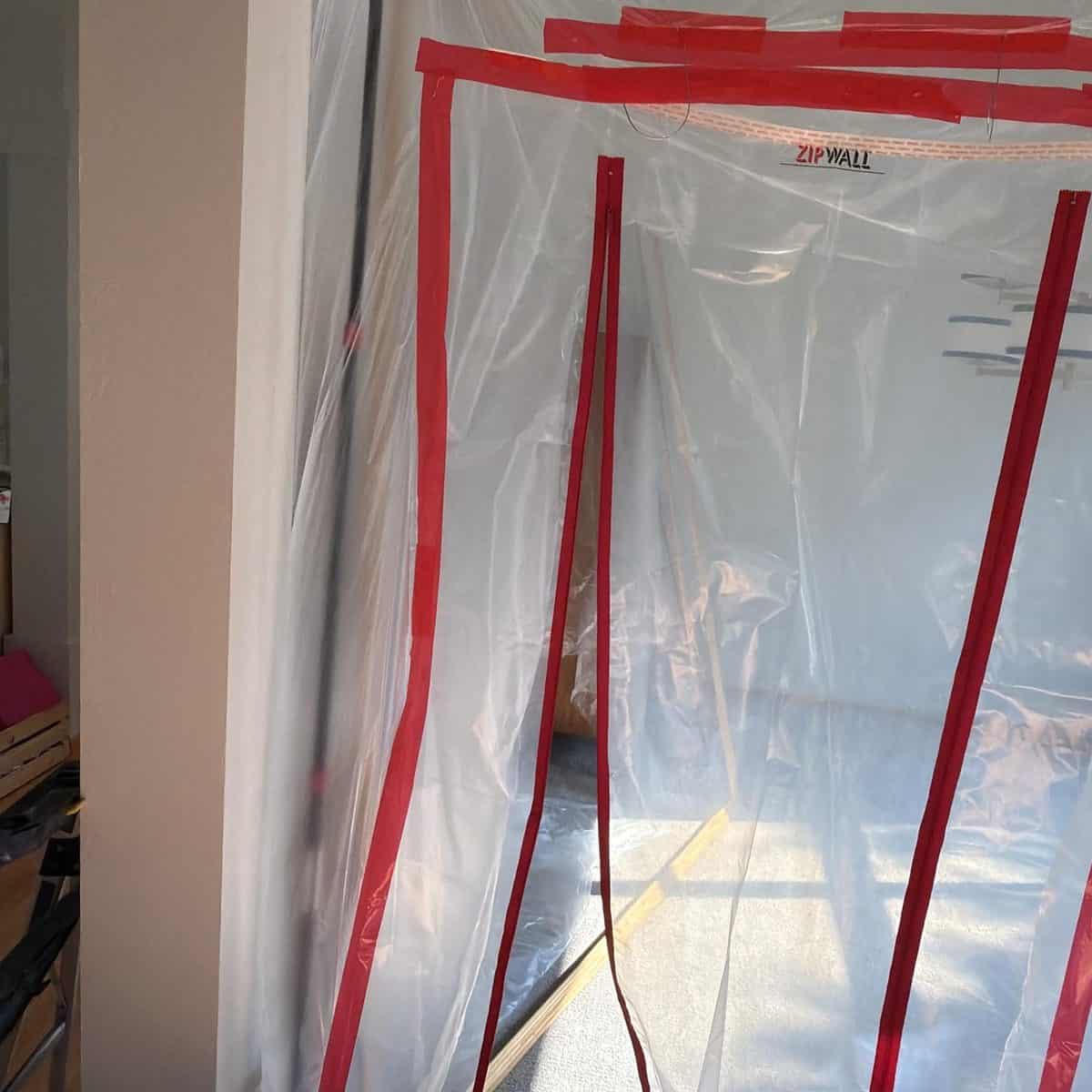
Professional remediation removes mold growth, addresses contaminated materials, and fixes the moisture conditions that allowed the problem. The exact work varies by area and material.
- Inspect and document affected materials and moisture conditions.
- Use containment when necessary to limit spread during removal.
- Remove materials that cannot be safely cleaned.
- Clean salvageable surfaces and dry the affected area.
- Rebuild removed drywall or flooring when appropriate.
The EPA emphasizes moisture correction as a necessary part of successful mold cleanup. Bedrock Restoration handles necessary reconstruction after cleanup and drying. Our team prepares itemized Xactimate estimates. A lower estimate may represent a smaller scope, although unit prices and quantities can also differ.
Will homeowners insurance cover mold remediation?
Coverage may apply when mold results from a covered water loss, but policies often contain exclusions and limits. Sudden plumbing damage may be treated differently from long-term humidity or a neglected leak.
Bedrock Restoration is independent of insurer preferred vendor programs. We document the damage, estimate the restoration work, and communicate repair facts with the adjuster. We do not make coverage decisions or represent homeowners in insurance negotiations.
Minnesota homeowners generally may choose their own contractor. The Minnesota Department of Commerce offers insurance consumer information. For repair costs, see our Twin Cities water damage cost guide.
The bottom line
A small, accessible surface patch may only need proper cleanup. Hidden, extensive, contaminated, or deeply embedded mold can require professional remediation. The EPA’s roughly 10-square-foot guideline is a starting point, not a substitute for evaluating water sources and affected materials.
In every situation, the moisture source must be fixed and the mold removed appropriately. Bedrock Restoration can document the damage, perform needed remediation, and handle reconstruction. When plumbing is the source, our own plumbing company can coordinate the repair.
Quick answers
Found mold in your home?
Find out what needs cleanup and whether hidden moisture is involved. Bedrock Restoration provides mold remediation and reconstruction across the Twin Cities.
612-834-1501This article is general educational information, not medical, insurance, or legal advice. Bedrock Restoration is a restoration contractor, not an insurance agency, medical provider, or law firm. Cleanup requirements depend on the amount of mold, affected materials, moisture source, and health concerns. People with respiratory conditions, allergies, or weakened immune systems should consult their healthcare provider. Insurance policies vary; ask your agent or adjuster about coverage and consult qualified professionals for complex investigations.