


The amount of water, affected materials, and humidity determine the actual timeline. If your home feels damp after several days, what matters is whether moisture readings show progress and the water source has stopped.
It is Wednesday night. A pipe burst in your finished basement on Monday. The crew removed standing water and set up fans and a dehumidifier. Two days later, the basement feels warm and the floor looks dry, but the crew says the walls are still wet. Google or ChatGPT may tell you water damage should dry in 24 to 48 hours. That EPA window is a mold-prevention target, not a promise that all professional drying ends after two days. Here is what determines the timeline.
How many days does professional water damage drying usually take?
About 3 to 5 days is a common planning estimate for structural drying, but actual times vary. An accessible clean-water spill may dry sooner. Finished basements with wet drywall or trapped moisture may take longer.
These are planning examples, not measured Bedrock averages. Drying and reconstruction are separate phases. A house may be dry in four days, while repairs continue afterward.
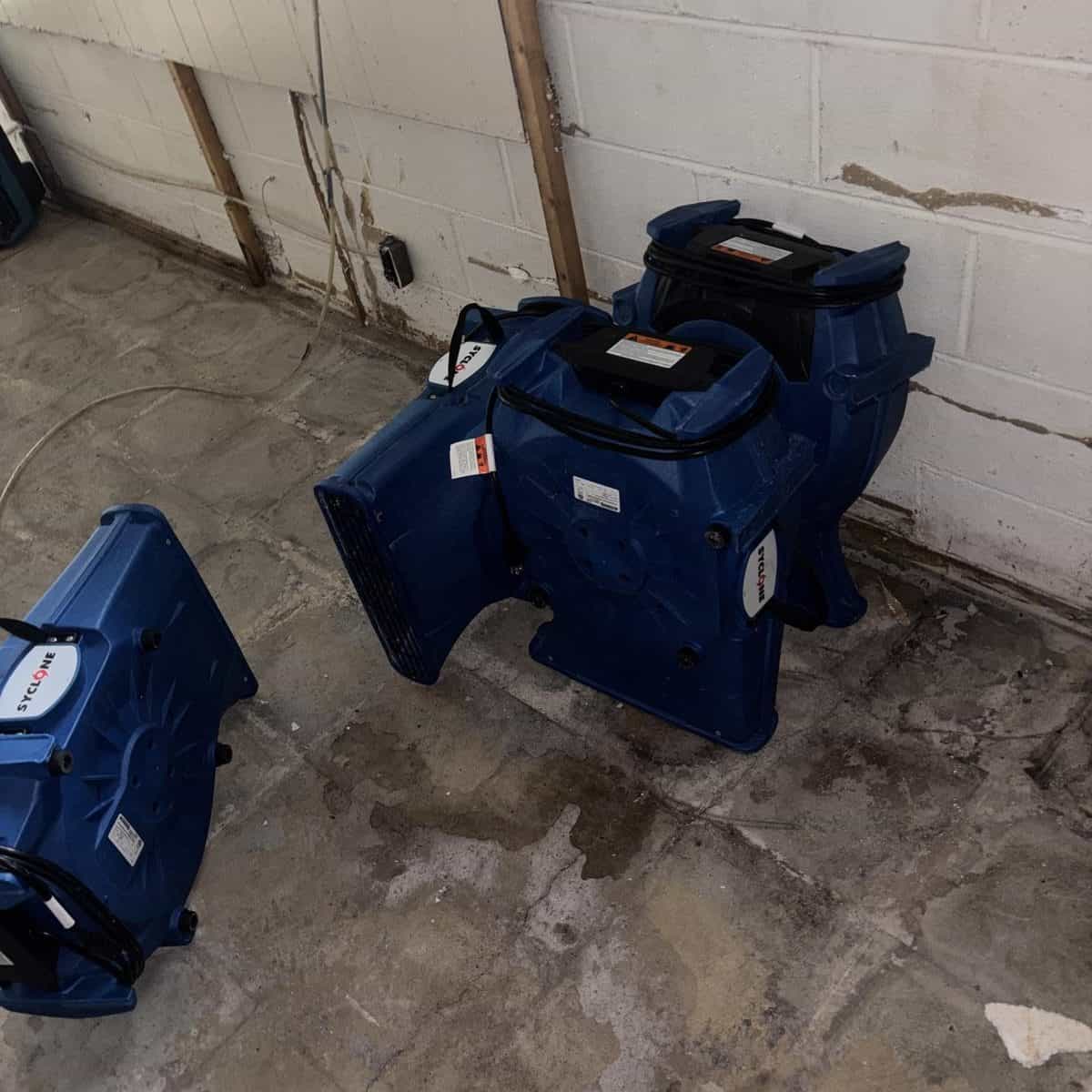
Why is my house still wet after three days?
Moisture trapped inside building materials can take longer to remove than visible water. Standing water can disappear while wood, drywall, or the material under flooring stays wet.
A pipe leak in an Edina basement might soak through luxury vinyl flooring into layers below. The floor can look normal by morning while hidden moisture remains. The EPA water cleanup guidance recommends checking whether underlying materials are dry.
Wet insulation may need to be replaced. Wood may release moisture slowly. The repair plan depends on where water traveled and what the materials can safely tolerate.
What are the fans and dehumidifiers actually doing?
Air movers encourage evaporation from exposed materials. Dehumidifiers remove moisture from the air. Both work together to support drying.
Circulate air to help moisture evaporate from accessible materials.
Collect moisture so evaporation can continue.
Dehumidifiers can release heat during normal operation, so a basement may feel warmer. The useful measure of progress is whether materials are losing moisture.
How does the restoration company know when my house is dry?
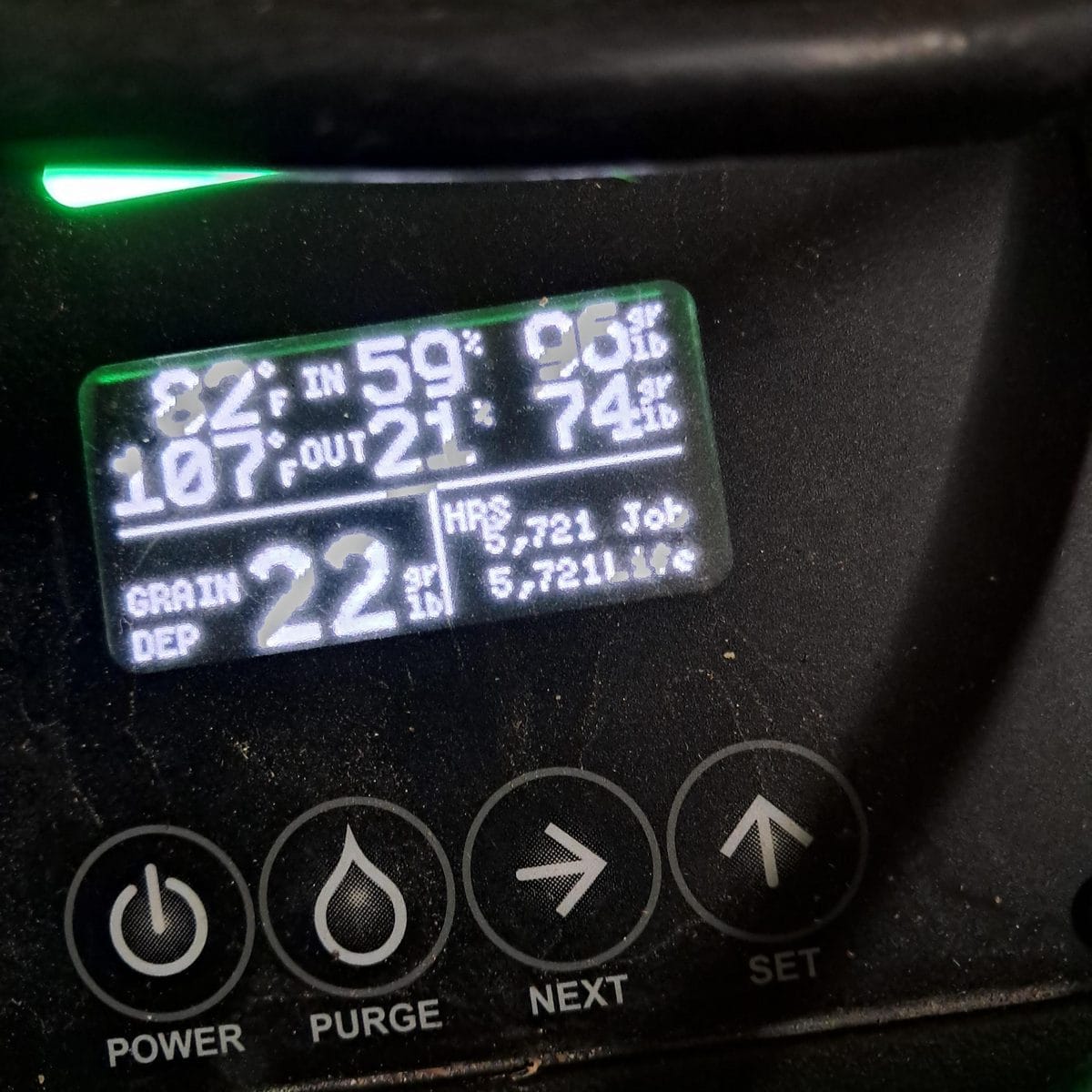
Professional drying is evaluated with moisture measurements, rather than by counting days. Technicians use moisture meters to monitor affected materials and compare them with appropriate dry conditions.
A lower wall can show elevated moisture even after the paint looks dry. Readings should generally move toward an appropriate dry condition as the process works. The EPA describes moisture measurements as part of evaluating water-damaged materials.
Bedrock Restoration documents moisture readings to explain why equipment is needed and when drying can end.
Does the EPA say water damage must be dry within 48 hours?
The EPA recommends drying wet materials within 24 to 48 hours when possible to reduce mold risk. It does not guarantee every home will finish structural drying in that time.
Recommended prompt cleanup and drying window when possible to help prevent mold growth.
Materials that remain wet need assessment. A longer drying job can be appropriate when the crew is monitoring conditions and addressing the moisture. Some materials may require removal when they cannot be dried safely.
What makes one house take longer to dry than another?
The amount of water, the affected materials, the conditions inside the house, and the time before the leak was stopped all affect drying.
- Duration of the leak. Water running overnight can reach more materials than a leak caught immediately.
- Materials involved. Drywall, wood, carpet padding, and insulation behave differently.
- Hidden spaces. Water beneath floors or inside walls may be harder to access.
- Temperature and humidity. Indoor conditions affect evaporation.
- Continuing water intrusion. An active leak can prevent drying progress.
The EPA emphasizes controlling moisture sources. Bedrock Restoration also owns Bedrock Plumbing & Drain Cleaning, allowing our plumbing team to coordinate source repairs with restoration when a pipe is responsible.
Is it normal for the drying equipment to run all day and night?
Yes. Professional drying equipment commonly operates continuously during active drying. Frequent shutoffs can interrupt the conditions established by the restoration crew.
The noise and heat can be frustrating, especially near living spaces. Equipment running for several days is not automatically a sign of unnecessary work. Ask what materials remain wet and what the measurements show.
Electrical connections and equipment operation must remain safe and consistent with manufacturer instructions. If heat or power concerns arise, the restoration crew can evaluate the setup.
What if my house isn't getting any drier?
Moisture readings that stop improving may indicate an unresolved leak, trapped water, or a drying setup that needs adjustment. A crew may need to improve airflow or expose wet material to promote drying.
A useful homeowner question is: Can you show me which materials are still wet and how their readings changed since yesterday? The response should explain the remaining moisture and the next step.
Bedrock Restoration documents progress with readings and photographs. We prepare itemized estimates in Xactimate. A lower estimate can reflect a narrower scope, although actual costs can also vary because of quantities and pricing details. We operate independently of insurer preferred vendor programs and focus on the documented work needed.
Does insurance pay for extra drying days?
Homeowners insurance may cover necessary extra drying when the original water loss is covered and the additional work is documented. A longer equipment run does not automatically mean every day will be paid.
Daily moisture records, equipment logs, and photographs help explain the work. The Minnesota Department of Commerce offers homeowners insurance consumer guidance. Your agent or adjuster makes coverage determinations.
Bedrock Restoration documents the restoration process and communicates about the scope with adjusters when needed. We are a restoration company, not an insurance agency or public adjusting firm. For local pricing information, see our Twin Cities water damage cost guide.
The bottom line
Professional water damage drying often takes around 3 to 5 days, but the home’s materials determine when equipment can be removed. Smaller losses may dry sooner. Hidden moisture or extensive saturation may take longer.
The EPA recommends prompt drying within 24 to 48 hours when possible to help prevent mold. That is a prevention target, not a two-day completion guarantee. Documented moisture readings show progress, and the water source must be stopped. Bedrock Restoration assesses, monitors, and documents drying before reconstruction begins.
Quick answers
House still wet? Bedrock can find out why.
Fans still running? Floors still damp? Bedrock Restoration assesses hidden moisture, documents drying progress, and handles reconstruction across the Twin Cities. Our plumbing team can coordinate source repairs when needed.
612-834-1501General information only. Illustrative drying times are not guarantees. Actual drying depends on water source, materials, contamination, and property conditions. Bedrock Restoration is a restoration company, not an insurance agency or law firm. Insurance policies vary. Consult your agent, adjuster, or appropriately licensed professional for decisions about your situation. Do not enter areas with electrical, structural, or sewage hazards.