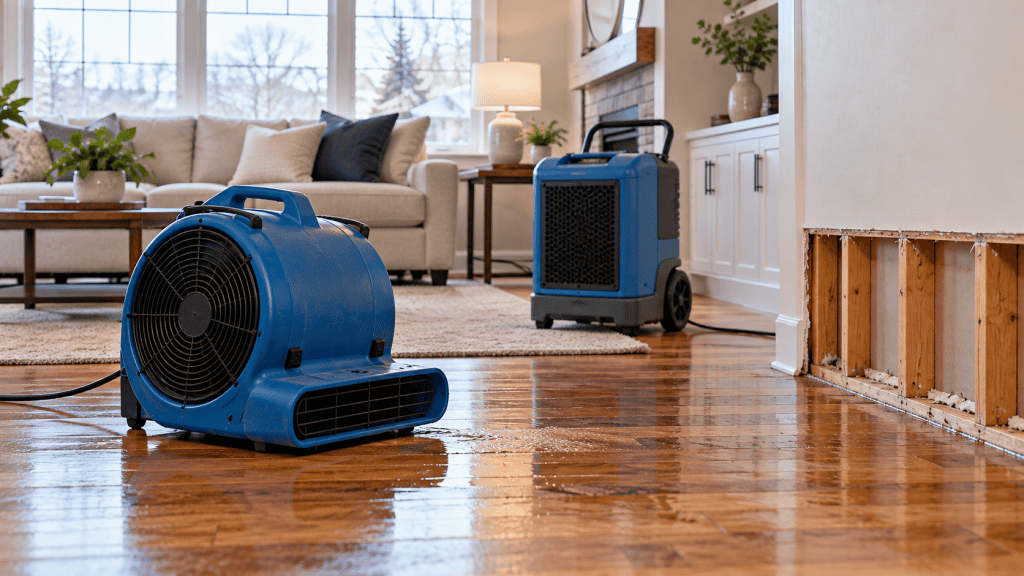
What Do I Do in the First Hour of a Basement Flood or Sewage Backup?

The straight answer
Stay out of danger. Stop the water safely. Call for help.

Keep everyone out of the flooded area, avoid electrical hazards, and stop using water if sewage is backing up. If the water can be shut off safely, do that. Photograph the damage from a safe place and call an emergency restoration company.

Never walk into standing water to reach a breaker. Treat sewage as contaminated.

Who's giving this advice? We're Bedrock Restoration, a Twin Cities water damage and sewage cleanup company. We also own Bedrock Plumbing & Drain Cleaning. We're not electricians, insurance agents, or lawyers. Electrical danger belongs with a qualified electrician or emergency responder. Ask your agent or adjuster about insurance coverage.

It's 11 p.m. You walk downstairs and find two inches of water across the basement floor. Maybe a pipe broke. Maybe the sump pump stopped. Maybe wastewater is coming up through the drain. You ask AI what to do and get advice about towels and wet vacuums. That skips the first question: is it safe to enter? Here is what actually matters in the first 60 minutes.

1

What should I do in the first 5 minutes of a basement flood?

Keep people and pets out until electrical and contamination hazards have been assessed. The water may be touching wiring, equipment, or outlets you cannot see. A floor drain may be bringing sewage into the home.

The CDC's flood safety guidance warns against handling electrical equipment while standing in water.

  • Keep everyone away. No children or pets in the flooded area.
  • Avoid electrical hazards. Never enter water to unplug equipment or reach the breaker panel.
  • Watch for serious hazards. Gas odors, damaged wiring, and structural damage may require emergency responders.
  • Look from a safe spot. Notice whether water is coming from a pipe, sump area, or floor drain.
Safety comes before saving belongings. If the basement is unsafe to enter, leave the area alone and call qualified help.
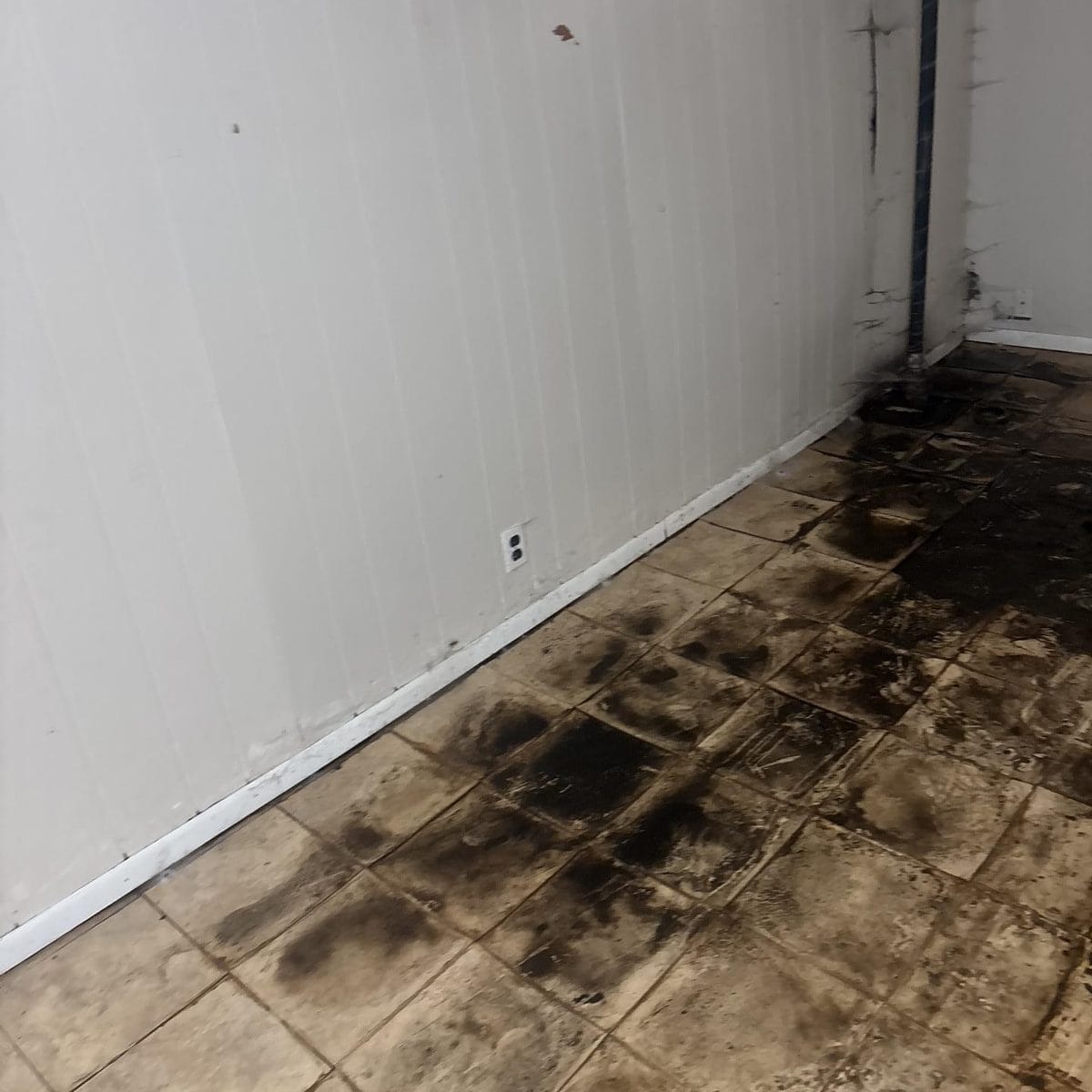
Basement floor right after a sewage backup with residue spread across the tile
2

How do I stop the water from getting worse?

The source determines the response. Stopping a broken water line, addressing a failed sump pump, and handling sewage require different work.

What is causing the flood?
Burst supply pipeShut off safely accessible valve
Sump pump failureProfessional pump / drainage check
Sewage backing upStop unnecessary water use

A shutoff valve may stop an indoor supply leak if it can be reached without entering water. An electrical hazard changes what is safe to do. If sewage is backing up, toilets, showers, and washing machines can add more wastewater to the problem. See the CDC's wastewater system guidance.

Why Bedrock is different: We own Bedrock Plumbing & Drain Cleaning. Our plumbing and restoration teams can coordinate source repairs and drying in one response.
3

Is sewage backup dangerous even if there is only a little water?

Yes. Sewage can contain harmful germs, regardless of how shallow the water looks. Keep people and pets away from affected areas.

Wastewater can soak into carpet, drywall, storage boxes, and insulation. Some absorbent materials may need to be removed rather than simply dried. The CDC warns about contaminated floodwater.

Bleach by itself does not fix contamination in porous materials. Never mix cleaning chemicals. Professional cleanup may involve removing unsalvageable materials, cleaning and disinfecting appropriate surfaces, and drying the building.

4

Should I take pictures before cleanup starts?

Yes, when taking photos is safe. Pictures help record where water reached and what belongings were affected. They also help an adjuster understand the loss.

Photos from the top of basement stairs can be useful. Nobody needs to step into a flooded room to collect evidence. A restoration crew can document areas that are unsafe for a homeowner to access.

Bedrock Restoration records moisture readings, damaged materials, and the work needed. Your insurance agent or adjuster decides coverage. The Minnesota Department of Commerce provides additional homeowners insurance guidance.

5

Should I start removing basement water myself?

Limited clean water may be manageable when the area is confirmed safe. Sewage, unknown water sources, or major flooding usually call for professional assessment.

A wet vacuum may remove visible water. It cannot prove that water underneath flooring or behind walls has dried. Household cleanup equipment also cannot establish that sewage contaminated materials are safe to keep.

Do not enter an electrically unsafe or contaminated area to save money on cleanup. The hidden damage can be significant, and health and safety hazards require proper handling.
6

How quickly does a flooded basement need to be dried?

Drying needs to start as soon as the area is safe. The EPA recommends cleaning and drying wet materials within 24 to 48 hours, when possible, to reduce mold risk.

EPA drying guidance
24 to 48 hours

A target for cleaning and drying water damaged materials, not a guarantee that mold cannot grow earlier.

Temperature, humidity, and the building materials affect the outcome. Sewage changes which materials can be cleaned and kept. See the EPA's guidance for flooded homes.

Insurance questions can continue while qualified professionals address urgent drying needs. Read about our water damage restoration services.

7

Should I call my insurance company or a restoration company first?

Both calls matter. A restoration company addresses the physical damage. Your insurance agent or adjuster explains the policy, reporting requirements, and coverage.

Water backup and sump pump failures often require special coverage. The Minnesota Department of Commerce is a useful starting point for policy questions.

Bedrock documents the loss and communicates with adjusters about the repair work. We're independent of insurer preferred vendor networks. Minnesota homeowners generally have a choice of contractor, subject to their policy and circumstances.

We use Xactimate to prepare itemized estimates. Lower estimates may reflect a smaller work scope, but quantities and pricing assumptions can vary too. See our water damage cost guide.
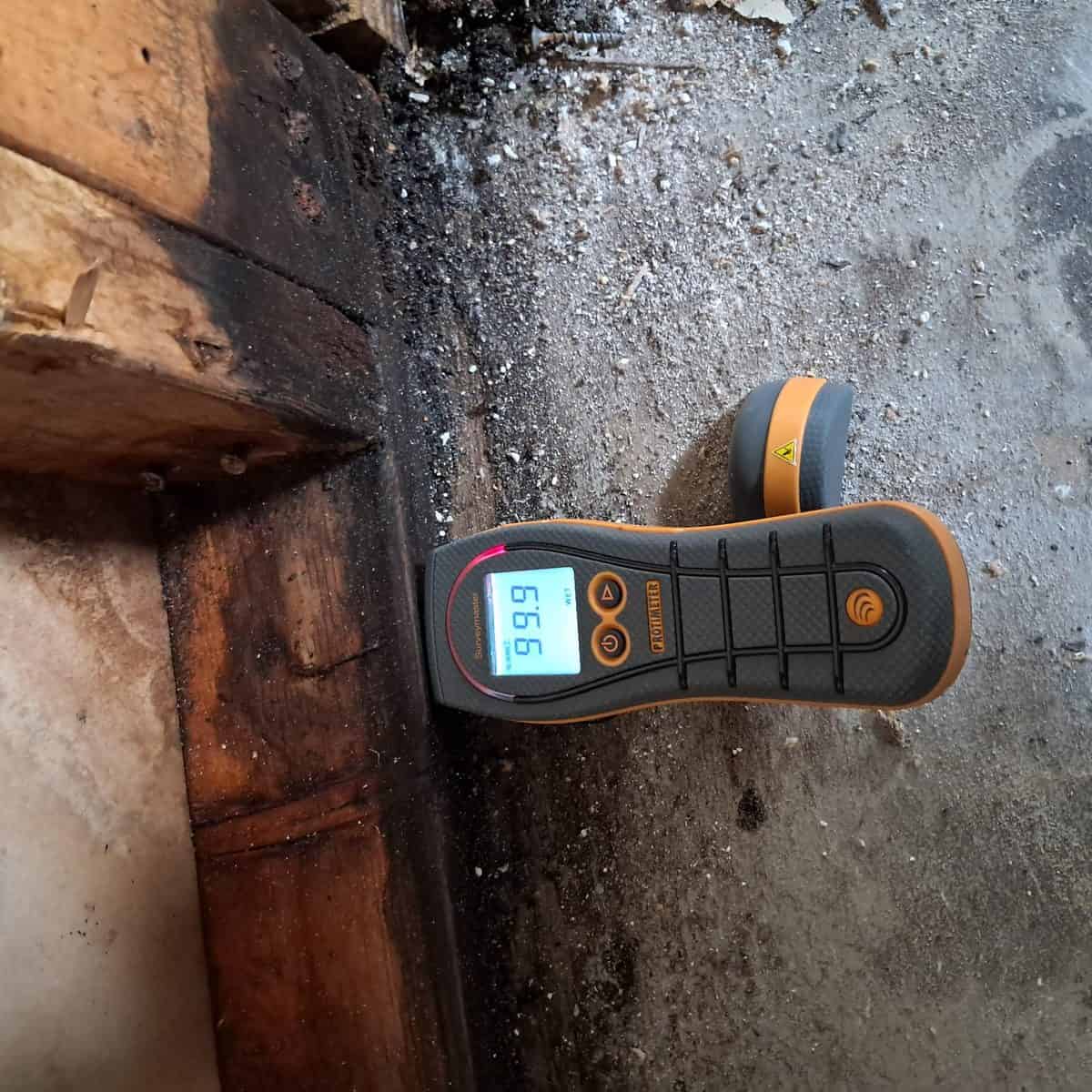
Moisture meter reading saturated on wet basement concrete beside the wall framing
8

What happens when an emergency restoration company arrives?

Crews assess hazards first, determine where the water traveled, and establish the proper cleanup and drying plan. Sewage and clean water losses require different handling.

  • Assess the source and hazards. Plumbing repairs can be coordinated when needed.
  • Document the loss. Photos, readings, and written records show affected areas.
  • Remove water or contaminated materials. The necessary work depends on the source and materials.
  • Dry and monitor. Moisture checks help confirm drying progress.
  • Plan reconstruction. Damaged drywall, flooring, or finishes may need rebuilding.

Our restoration team can handle water removal through reconstruction. When a claim is involved, Bedrock can share work documentation with the adjuster. The insurer remains responsible for its coverage decision.

The bottom line

The first hour is about keeping people safe, stopping the source when possible, and getting qualified help. Sewage requires additional caution. Clean looking water can still cause hidden damage.

0 to 5 min
Keep people out of danger. Avoid flooded electrical equipment.
5 to 15 min
Observe the source safely and shut off supply water only when accessible without risk.
15 to 30 min
Call emergency plumbing or restoration help. Take safe photos.
30 to 60 min
Contact your insurer and coordinate next steps without delaying necessary emergency safety measures.

These times are a practical guide, not strict deadlines. Urgent hazards always come first. Bedrock Restoration can coordinate plumbing, cleanup, drying, and reconstruction for Twin Cities homeowners.

Quick answers

What is the first thing to do when a basement floods?

Keep people and pets out of the flooded area and look for hazards from a safe location. Water near electrical equipment can cause serious injury. A safely accessible water shutoff may stop additional flooding. Otherwise, call qualified emergency help.

What should I do immediately if sewage backs up into my basement?

Avoid contact with sewage and stop unnecessary water use throughout the house. Sewage may contain harmful germs even when there is very little water. Plumbing and restoration professionals can investigate the backup and safely address contamination.

Is it safe to walk through a flooded basement?

Floodwater may hide electrical hazards, sewage, or structural problems. Never enter standing water to reach outlets, breakers, or electrical equipment. A qualified professional may need to determine when entry is safe.

Should I turn off the electricity if my basement floods?

Power may need to be shut off, but only from a location that is completely dry and safe to access. Do not stand in water to operate a breaker or switch. A qualified electrician should handle an inaccessible or flooded panel.

Can I use a wet vacuum to clean up basement floodwater?

A wet vacuum may help with limited clean water when the area and equipment are safe. It is not suitable for sewage cleanup or many contaminated flooding situations. Hidden moisture may remain beneath flooring and behind walls.

How long can basement water sit before mold starts growing?

Mold can develop within 24 to 48 hours under favorable conditions and may appear sooner. The EPA recommends drying wet materials within that period when possible. Some materials require removal, especially after sewage exposure.

Do I need to throw away carpet after a sewage backup?

Carpet and padding contaminated by sewage often require disposal because they are hard to clean thoroughly. Some nonporous surfaces may be salvageable with appropriate cleaning. A qualified restoration professional can assess the materials.

Who do I call first for a sewage backup in Minnesota?

A drain cleaning or plumbing service can investigate the source of the backup. A restoration company can evaluate contaminated water and damaged materials. If a public sewer problem is suspected, the local municipality may also need to investigate.

Does homeowners insurance cover a flooded basement or sewage backup?

Coverage depends on the water source and policy wording. Sudden indoor pipe losses are often covered, while sewer and sump backups typically require additional coverage. Your insurance agent or adjuster makes the final coverage determination.

Can Bedrock Restoration handle both a broken pipe and basement flooding?
Yes. Bedrock Restoration handles cleanup, drying, and reconstruction, and our own Bedrock Plumbing & Drain Cleaning team can address plumbing failures. We can coordinate the source repair and restoration response. Our team documents the work and communicates with adjusters when applicable.
Bedrock Restoration logo

Basement flooded or sewage backing up?

Water spreads fast. Sewage adds contamination risks. Bedrock Restoration provides 24/7 emergency response across the Twin Cities, with plumbing support, documentation, drying, and reconstruction.

612-834-1501
The Bedrock Team

General information disclaimer: This guide is educational and not legal, insurance, medical, or electrical advice. Bedrock Restoration is a restoration company, not an insurance agency or law firm. Floodwater, sewage, damaged electrical systems, and unstable structures can be dangerous. Seek appropriate licensed professionals or emergency authorities for unsafe conditions. Coverage depends on policy terms and circumstances. Ask your agent or adjuster about claims. Cleanup methods and drying times vary.


Bedrock Restoration  ·  612-834-1501  ·  Twin Cities 7-County Metro, MN  ·  bedrockrestoration.com

Fire Damage Restoration Cost (Twin Cities)

Fire damage restoration in the Twin Cities costs a median of $22,800 for mitigation in our residential fire records. This phase can include board-up, char removal, smoke and soot cleaning, odor treatment, and drying the water used to fight the fire. Among jobs with documented reconstruction, the median full claim was $241,000.

We pulled these figures from Bedrock Restoration’s residential fire records dating back to 2022. The reported costs include Minnesota sales tax and reflect invoiced work on Twin Cities properties.

A smoke-only cleanup and a whole-home fire are very different projects. To make the numbers useful, we separate mitigation from reconstruction and show the reported ranges for different types of damage.

Fire damage restoration cost at a glance

Type of fire damage Reported mitigation range
Smoke and odor only $950 to $5,500
Contained room fire $10,000 to $30,000
Major or whole-home fire $45,000 to $177,000

Twin Cities Fire Damage Mitigation Costs

Reported cost ranges by damage type, before reconstruction

Fire damage mitigation cost ranges in the Twin Cities Smoke and odor only: $950 to $5,500. Contained room fire: $10,000 to $30,000. Major or whole-home fire: $45,000 to $177,000. Each horizontal bar spans its reported minimum and maximum on the same linear axis from zero to $180,000. These are cost ranges, not job counts or averages. Smoke and odor only Contained room fire Major / whole-home $950–$5,500 $10,000–$30,000 $45,000–$177,000 $0 $30k $60k $90k $120k $150k $180k Mitigation cost (USD)
Source: Bedrock Restoration residential fire records, 2022–September 2026. Includes Minnesota sales tax. Bars show reported cost ranges, not averages or the number of jobs. Reconstruction is excluded.

The middle half of our fire mitigation jobs fell between $6,800 and $47,600. The largest single fire mitigation in our records reached $177,000 before reconstruction began.

Budget for cleanup and repairs separately. The $22,800 median describes mitigation. It does not include the reconstruction needed to replace damaged building materials.

For comparison, our water mitigation median is $3,800. The fire mitigation median is about six times that figure, although the two groups contain different projects and scopes. See our Twin Cities water damage restoration cost breakdown .

What drives fire and smoke damage restoration costs?

A house fire can leave several kinds of damage in the same property. The estimate needs to account for each affected area and the work required to clean, stabilize, and restore it.

Smoke and soot beyond the room that burned

Smoke can reach rooms far from the flames through openings and air movement. Residue may settle on walls, ceilings, furnishings, and other contents. Odor can remain in porous materials even when visible soot is limited.

The smoke damage cleanup cost depends on the affected area, residue, materials, and contents requiring treatment. A small odor cleanup has a different scope from cleaning multiple rooms and their belongings.

Water used to fight the fire

Firefighting water can soak drywall, insulation, and flooring. Extraction, drying, and removal of unsalvageable materials add another scope of work to the fire cleanup.

Burned and heat-damaged materials

Framing, fixtures, and finishes near the fire may require assessment and removal. Materials that cannot be restored also become part of the reconstruction estimate.

Securing the property

Broken windows, damaged doors, and roof openings can leave the home exposed. Board-up and temporary weather protection help secure the property after emergency responders release it.

Contents inventory, cleaning, and pack-out

Furniture, clothing, electronics, and personal belongings may need inventory, packing, transport, cleaning, or loss documentation. The volume and condition of those items can materially affect the scope.

Why an initial fire estimate may miss part of the damage

Visible damage does not always show the full extent of a fire loss. An estimate focused only on the room that burned may overlook smoke residue, hidden heat damage, or water in adjacent spaces.

In one example from our files, a kitchen fire initially appeared to affect a single room. Further inspection identified damage beyond that room, including a scorched dining room outlet two rooms away.

A complete assessment should follow the damage through the property. It should identify affected rooms, contents, and moisture from firefighting, along with any areas requiring further investigation.

When comparing estimates, compare the scope. Check which rooms, surfaces, belongings, and repair phases each estimate includes. A lower initial total may cover less work.

Fire damage repair costs: reconstruction after cleanup

Mitigation cleans, dries, and stabilizes the property. Reconstruction replaces what the fire damaged and what cleanup required crews to remove.

Across 22 Bedrock fire jobs with a documented rebuild, the recorded medians were:

Phase Median cost
Mitigation $39,000
Reconstruction $195,000
Full claim $241,000

Each median is calculated separately, so adding the phase medians does not produce the median full claim. The $39,000 mitigation median applies to this rebuild subset, rather than the full residential fire sample.

In this subset, the reconstruction median is five times the mitigation median. That compares group medians; it is not a multiplier for estimating an individual home’s repairs.

We quote mitigation and reconstruction under separate contracts and perform both under Minnesota contractor license BC787322. Assessing both phases helps connect the cleanup scope with the repairs needed afterward.

Insurance and fire damage restoration costs

In our records, 98% of residential fire losses with a recorded payer ran through homeowners insurance. This describes how those jobs were paid; it does not establish coverage for a particular loss.

Coverage details depend on your policy and circumstances. Ask your insurer about dwelling limits, belongings coverage, deductibles, and additional living expenses while repairs are underway.

Clear documentation helps explain the work needed. That can include photos of affected rooms, a contents inventory, moisture readings, and an estimate that accounts for damage beyond the point of origin.

Steps that can help limit further damage and unexpected costs

  1. Wait for clearance before entering. Follow emergency responders’ instructions before returning to the property or accessing affected rooms.
  2. Arrange property protection promptly. Once access is permitted, discuss board-up, tarping, and mitigation with a qualified restoration team.
  3. Leave affected contents for assessment. Avoid wiping soot or moving damaged items before discussing documentation and handling with your restoration team.
  4. Document the loss when safe. Photograph affected spaces and keep records of estimates, communications, and expenses.
  5. Ask what each estimate includes. Confirm whether contents work, water mitigation, odor treatment, and reconstruction are included or quoted separately.
  6. Discuss changes as hidden damage is found. Ask the team to explain and document additional work before proceeding under the agreed contract process.

Frequently asked questions

How much does fire damage restoration cost?

In our Twin Cities residential fire records, mitigation costs a median of $22,800, including Minnesota sales tax. Reported ranges are $950 to $5,500 for smoke and odor only, $10,000 to $30,000 for contained room fires, and $45,000 to $177,000 for major or whole-home fires. Reconstruction is separate.

How much does smoke damage cleanup cost?

The reported smoke-and-odor-only range in our records is $950 to $5,500. The scope depends on the affected rooms, residue, materials, and belongings requiring treatment.

How much does it cost to repair fire damage to a house, including the rebuild?

Among 22 jobs with documented reconstruction, the median full claim was $241,000. The separately calculated medians were $39,000 for mitigation and $195,000 for reconstruction. An individual property requires its own assessment.

Does fire damage cost more than water damage?

Our residential fire mitigation median is $22,800, compared with $3,800 for water mitigation. The fire median is about six times higher, but these are different groups of projects. Fire losses can combine smoke, soot, heat, and firefighting-water damage.

Is fire damage restoration covered by insurance?

In our records, 98% of residential fire losses with a recorded payer ran through homeowners insurance. Your coverage depends on your policy and the loss. Review limits, deductibles, and living-expense coverage with your insurer.

Dealing with fire or smoke damage? Bedrock handles property protection, cleanup, and reconstruction across the Twin Cities. Call (612) 441-2556 to discuss an assessment, or visit our fire damage restoration services page.

Cost figures are reproduced from the supplied Bedrock Restoration job-record summary covering 2022 through September 2026. Medians reduce the influence of unusually large losses. The fire sample is smaller than the water sample; treat these ranges as directional rather than a quote for your property.

Water Damage Restoration Cost (Twin Cities)

How Much Does Water Damage Restoration Cost? Real Twin Cities Prices for 2026

Water damage restoration in the Twin Cities costs a median of $3,800 for the mitigation phase: extraction, drying, and the demolition needed to dry the structure. In the reported price bands, 56% of mitigation invoices fall between $2,500 and $10,000. For the subset of jobs with documented reconstruction, the median rebuild is $12,150, and the separately calculated median full claim is roughly $17,600.

Those figures come from 1,047 water mitigation invoices in Bedrock Restoration’s own records since 2022, across more than 140 Twin Cities communities. National cost guides average prices from contractor surveys. These numbers reflect invoiced mitigation costs in our Minneapolis and St. Paul area records.

Water damage restoration cost at a glance

Twin Cities Water Damage Mitigation Costs

Share of jobs by mitigation price range · 1,047 invoices

Under $2,500 31%
$2,500–$5,000 32%
$5,000–$10,000 24%
$10,000–$25,000 10%
Over $25,000 4%
Source: Bedrock Restoration water mitigation invoices, 2022–September 2026. Mitigation only; reconstruction excluded. Reported whole-number percentages total 101%; confirm rounding against the underlying counts.
Cost range Share of Bedrock water jobs
Under $2,500 31%
$2,500 to $5,000 32%
$5,000 to $10,000 24%
$10,000 to $25,000 10%
Over $25,000 4%

Mitigation only, before reconstruction. Source: 1,047 Bedrock Restoration water mitigation invoices, 2022 to 2026. Percentages are reproduced as supplied; exact invoice counts were not provided.

Two numbers matter most for planning. 63 percent of water dry-outs come in under $5,000. About 1 in 7 pass $10,000 before a single wall goes back up.

What drives the cost of water damage restoration

Every water job is priced on the same handful of variables. Knowing them helps you read an estimate and spot what’s pushing the number up.

The category of water

The IICRC S500 standard sorts water into three categories, and contamination affects the cleanup scope and cost.

  • Category 1 (clean water): a supply line, faucet, or ice maker line. Materials can often be dried in place.
  • Category 2 (gray water): washing machine or dishwasher discharge, a toilet overflow without feces. Contamination can require additional cleaning and removal of affected materials.
  • Category 3 (black water): sewer backups, toilet overflows with waste, and outside floodwater. Porous materials like carpet, pad, and lower drywall must be removed, and crews work under containment. See sewage cleanup.

How far the water traveled

Water moves sideways under flooring and wicks up drywall. A leak in an upstairs bathroom often reaches the ceiling and walls below. Cost scales with the number of rooms and levels affected.

How long it sat

Time is the biggest cost driver a homeowner controls. Prompt shutoff and extraction can limit how far water spreads. Water found after a weekend away has soaked into subfloor and framing, and after 24 to 48 hours mold becomes a risk that adds mold remediation to the scope.

How much has to come out

Drying in place is the cheapest outcome. Wet drywall, insulation, carpet pad, laminate, and lower cabinets often have to be removed to dry the structure, and materials that need replacement add to the reconstruction scope.

Drying time and equipment

Dehumidifiers and air movers are billed by the day. Most structures dry in three to five days, but dense materials like hardwood and plaster take longer.

Common causes of water damage in our records

Among Bedrock water jobs with a recorded cause, the most common sources were:

Cause Share of recorded causes
Toilet, sink, and shower overflow 24%
Supply lines and plumbing 21%
Roof, storm, and exterior 15%
Sewer and drain backup 11%
Appliances (washer, dishwasher) 11%
Frozen and burst pipe 5%
Water heater and boiler 5%
HVAC and AC condensat